Blog5/22/2026
Proactive Plan for Midlife Pets: Nutrition & Mobility
6 mins Read
The Briefing
Quick takeaways for the curious
Midlife, roughly ages seven to ten for many breeds, is a critical turning point where subclinical metabolic shifts can be managed with early intervention rather than letting them become chronic disease.
The shift from passive aging to proactive aging means focusing on preserving cellular and structural integrity through evidence-based lifestyle changes.
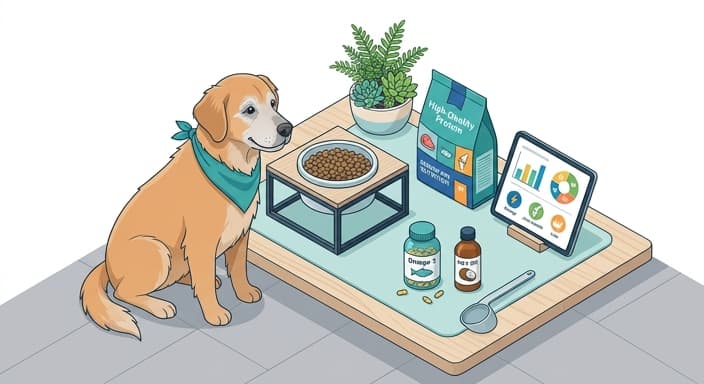
Nutrition in midlife should move from calorie counting to nutrient density, emphasizing bio-available protein and EPA/DHA to support muscle, reduce inflammation, and protect organ function.
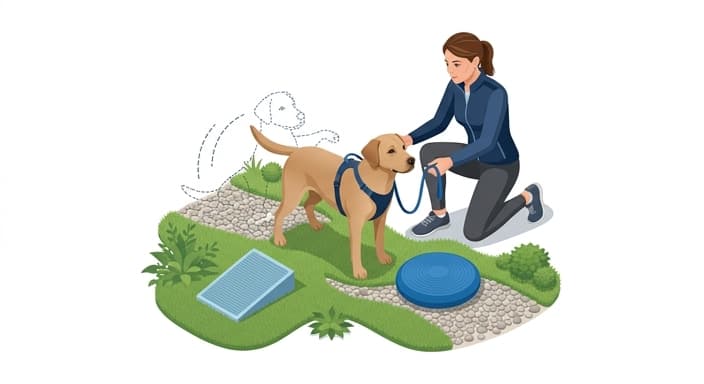
Joint preservation relies on low-impact mobility and pre-hab routines—think swimming, varied-terrain walks, and balance work to strengthen the core and hindquarters without overstressing joints.
Brain health is central in midlife; addressing oxidative stress and cerebral blood flow with targeted nutrition, enrichment, and appropriate medical surveillance can delay cognitive decline.
There is a pervasive misconception among many pet owners that the "middle years"—roughly ages seven to ten for most breeds—are merely a transition into a sedentary lifestyle, often overlooking the biological reality that this window represents the most critical period for "metabolic buffering." As a veterinarian consultant, I frequently see owners who view their pet’s slight slowing down as an inevitable byproduct of time, failing to realize that this phase is actually a high-stakes turning point where sub-clinical physiological shifts can be either managed through early intervention or allowed to ossify into chronic, life-limiting pathology.
We are moving away from the outdated notion that aging is a passive process we must simply observe, and toward a comprehensive understanding of "proactive aging," where our clinical focus shifts from treating symptoms to preserving cellular and structural integrity. True wellness for a middle-aged companion animal is not just about calorie restriction or keeping them comfortable; it is about recognizing that the midlife stage is a period of accelerated oxidative stress and that deliberate, evidence-based lifestyle modifications are the only way to ensure the later years are defined by vitality rather than pain management.
The Metabolic Pivot: Redefining Nutritional Requirements
The nutritional needs of a middle-aged pet differ profoundly from those of a growing puppy or kitten, or even a geriatric animal. During this "pivot" stage, the metabolic rate begins to naturally decelerate, while the digestive system may become less efficient at processing certain macronutrients. Many owners continue feeding the same high-density, calorie-rich diet they used during their pet’s peak activity years, inadvertently fueling weight gain and systemic inflammation.
Proactive nutrition in midlife requires a transition toward "bio-available" diets. This means prioritizing high-quality, easily digestible protein sources that support muscle mass maintenance without placing undue stress on the kidneys. Furthermore, we must introduce functional ingredients like omega-3 fatty acids—specifically EPA and DHA—which are essential for mitigating the low-grade, chronic inflammation that often precedes joint degradation and cognitive decline. By shifting from mere "calorie counting" to "nutrient density optimization," we provide the body with the building blocks it needs to repair cellular damage before it manifests as disease.
Structural Integrity: The Art of Joint Preservation
One of the most common complaints I hear in the clinic regarding middle-aged dogs and cats is, "They just aren't as bouncy as they used to be." While it is true that cartilage naturally wears down, the rate of that wear is highly variable and significantly influenced by the owner’s management of physical activity. The goal in midlife is not to enforce bed rest, but to promote "low-impact mobility."
High-impact, repetitive activities—like chasing a ball on concrete or jumping in and out of high-sided vehicles—are the primary culprits in early-onset osteoarthritis. Instead, we should pivot toward activities that engage the stabilizing muscles without stressing the joints: swimming, controlled leash walking on varied terrain, and balance training. Incorporating physical rehabilitation exercises, such as "sit-to-stand" repetitions or using a wobble cushion, can significantly strengthen the core and hindquarters. Think of this as "pre-hab"; by building a robust muscular corset around the joints, we protect the skeletal structure from the daily wear and tear that leads to pain.
The Cognitive Connection: Brain Health in the Middle Years
We often focus on the physical body, yet the brain is perhaps the most vulnerable organ during the midlife transition. Canine and Feline Cognitive Dysfunction (CCD/FCD) doesn't appear overnight; it is the culmination of years of oxidative stress and reduced cerebral blood flow. To combat this, we must treat the brain as an organ that requires regular, stimulating exercise.
Proactive mental health strategies involve "environmental enrichment," which goes far beyond a simple squeaky toy. Introduce puzzle feeders, scent-work games, and novel training commands that force the pet to problem-solve. By regularly activating neural pathways, we increase cognitive reserve—the brain’s ability to improvise and adapt to damage. Additionally, certain supplements, such as medium-chain triglycerides (MCTs) and antioxidants like Vitamin E and Selenium, have shown promise in supporting mitochondrial health in neurons. If your pet is in the middle years, now is the time to start these interventions, long before you notice the "thousand-yard stare" or the nighttime pacing often associated with cognitive decline.
Clinical Surveillance: The Value of Baseline Diagnostics
The most tragic cases I see in my practice are those where a condition could have been managed effectively, but was only discovered once the pet became symptomatic. By the time a cat shows signs of kidney disease or a dog shows symptoms of liver dysfunction, they have often already lost 60-70% of their organ function. This is why "proactive aging" demands a shift in our diagnostic approach.
For middle-aged pets, annual blood work is simply not enough. I recommend bi-annual "wellness profiles" that include a complete blood count (CBC), a full chemistry panel, and—crucially—a urinalysis. The urinalysis is the most underrated tool in veterinary medicine; it can reveal early signs of protein loss or dilute urine long before blood values shift. By establishing a "baseline" for your specific pet, your veterinarian can spot subtle, creeping trends in the data—a slight rise in creatinine here, a minor fluctuation in liver enzymes there—that allow us to intervene with dietary changes or supplements months or even years before a crisis occurs.
The Weight of Wellness: Why Body Condition Score Matters
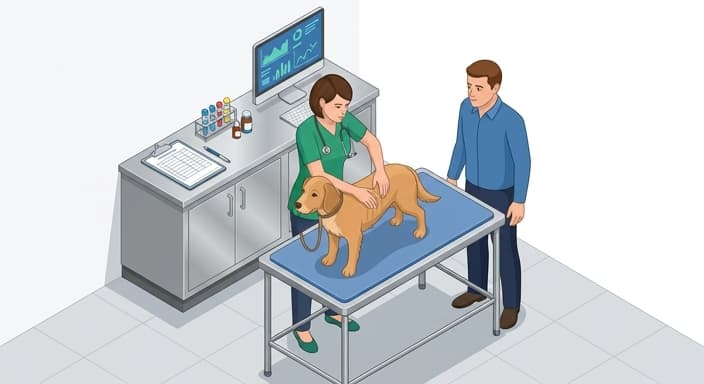
In the world of veterinary medicine, we use the Body Condition Score (BCS) on a scale of 1 to 9. The "goldilocks zone" is a 4 or 5. Unfortunately, the vast majority of middle-aged pets I see are sitting at a 7 or 8. We have become desensitized to pet obesity, viewing a "sturdy" or "fluffy" pet as a sign of love, when in reality, excess adipose tissue is an endocrine organ that secretes inflammatory cytokines.
Managing weight in midlife is not just about aesthetics; it is about reducing the physical load on the heart, lungs, and joints. To effectively manage this, stop relying on the "eyeball test." Ask your veterinarian to show you how to palpate the ribs—you should be able to feel them with light pressure, as if touching the back of your hand. If you have to push through layers of fat, it is time for a metabolic reset. This often involves reducing treats, increasing high-fiber vegetable intake (like steamed green beans), and ensuring that the caloric density of the main diet is adjusted to match the pet's current, lower-energy lifestyle.
Cultivating a Lifelong Partnership
Proactive health in the middle years is essentially an investment strategy. You are banking health for the future. By focusing on nutrient-dense, inflammatory-mitigating diets, preserving joint integrity through low-impact activity, stimulating the brain, performing consistent diagnostic surveillance, and maintaining an ideal body weight, you are actively writing the narrative for your pet’s geriatric years.
The goal is to ensure that the transition into their final life stage is not characterized by the sudden onset of disease, but by a graceful, slow, and comfortable evolution. Our pets offer us their entire lives, and by taking this proactive, veterinarian-guided approach during their middle years, we honor that sacrifice by ensuring their later years are defined by the same vitality, joy, and companionship they have provided us since day one. Start today—your pet’s future self will thank you.
Common Questions
🤔
Frequently Asked Questions
What is metabolic buffering and why is it important in a middle-aged pet?▼
Metabolic buffering refers to a pet’s capacity to cope with the subtle physiological changes that occur during midlife. It marks a window where small shifts can be managed before they progress to chronic disease. Early intervention through targeted nutrition, tailored activity, and regular veterinary monitoring helps build resilience and preserve quality of life. Ignoring this stage increases the risk that subclinical changes ossify into lasting health problems.
How should owners adjust their pet's diet during midlife?▼
A midlife diet should emphasize bio-available, high-quality protein to support muscle mass without overloading the kidneys. It shifts from calorie counting to nutrient density to offset slower metabolism and inflammation. Including omega-3 fatty acids (EPA and DHA) helps mitigate chronic inflammation that affects joints and cognition. A veterinarian can tailor protein, minerals, and calorie levels to your pet’s breed, age, and health status.
What kind of exercise is best for midlife pets to protect joints?▼
Choose low-impact, varied activities that strengthen supporting muscles without overstressing joints. Good options include swimming, controlled leash walking on varied terrain, and balance or core-training exercises. Rehab moves such as sit-to-stand repetitions or wobble-board work can further reinforce the muscular corset around the joints. Avoid high-impact, repetitive activities that accelerate wear on cartilage, such as hard ball chasing on concrete.
When should you be concerned about cognitive decline and what steps help?▼
Be vigilant for early signs of canine or feline cognitive dysfunction, such as changes in interaction, altered sleep patterns, or new elimination or aggression issues. Because early detection improves outcomes, seek veterinary evaluation promptly if these changes appear. Strategies to support brain health include dietary optimization, mental enrichment, weight management, and addressing vascular or inflammatory contributors. Consistent routines and medical guidance can help delay progression and maintain quality of life.