Blog6/5/2026
Proactive Joint Support for Senior Cats: A Multimodal Guide
6 mins Read
The Briefing
Quick takeaways for the curious
The idea that feline agility is a trait of youth is a myth; aging joints deserve proactive, multimodal care.
Proactive joint stewardship aims to preserve geriatric quality of life through nutrition, environment, and early intervention, not just treat pain after it appears.
Because cats mask pain, absence of limping is not a reliable signal; look for behavioral shifts like changes in sleep, grooming, or litter box use as red flags.
Nutrition forms the foundation: omega-3 fatty acids from fish oil reduce inflammation, while glucosamine, chondroitin, and UC-II provide cartilage-building blocks and immune tolerance.
Environmental stewardship matters: by modifying vertical spaces and ensuring easy, safe access, you reduce joint strain and help senior cats stay active.
There is a pervasive misconception among many cat owners that feline agility is an immutable trait of youth, often overlooking the biological reality that the feline musculoskeletal system is a precision instrument subject to the cumulative wear and tear of a decade or more of domestic life. As a veterinarian consultant, I frequently see owners who dismiss their senior cat’s gradual decline in activity as "just getting older," failing to realize that these subtle shifts—a hesitation before jumping, a change in grooming habits, or increased irritability—are often the clinical manifestations of chronic osteoarthritis, a condition that is vastly under-diagnosed and undertreated in our feline companions.
We are moving away from the outdated notion that joint pain in cats is an inevitable, untreatable consequence of aging, and toward a comprehensive understanding of "joint stewardship," where proactive, multimodal management serves as the cornerstone of geriatric quality of life. True vitality for a senior cat is not just about the absence of an obvious limp; it is about recognizing that their ancestral physiology is designed for stealth, spring, and flexibility, and that actively supporting their joint health through nutrition, environment, and early intervention is one of the most compassionate ways to ensure their golden years remain comfortable and active.
The Mobility Fallacy: Why "They Aren't Limping" Isn't Enough
The most dangerous myth in the feline world is the "visible pain" test. Because cats are evolutionary masters of masking discomfort to avoid appearing vulnerable to predators, they rarely vocalize or display the overt limping that we might associate with joint pain in dogs. Instead, feline arthritis often presents as behavioral changes that owners mistakenly attribute to "seniority." A cat that stops jumping onto the kitchen counter or the high windowsill isn't necessarily just "lazy"—they are likely making a calculated decision to avoid the pain caused by the impact of landing.
As a veterinarian, I look for the "absent behaviors" rather than the presence of a limp. Is your cat sleeping more in lower areas? Is their grooming coat becoming matted along the lower back? Are they hesitant to use the litter box if the sides are high? These are the real red flags. When we wait for a cat to show visible signs of clinical lameness, we are waiting until the joint cartilage has undergone significant, irreversible degradation. Proactive support means intervening long before these functional deficits become the new normal for your cat.
The Nutritional Foundation: Beyond Basic Calorie Counting
Joint health begins at the cellular level, and the diet you choose for your senior cat is the most consistent tool you have for modulating systemic inflammation. Many commercial diets are formulated for maintenance, but they often lack the therapeutic concentrations of essential fatty acids required to manage the oxidative stress that contributes to joint degradation. Specifically, Omega-3 fatty acids—particularly EPA and DHA derived from cold-water fish oil—act as natural anti-inflammatories by inhibiting the enzymes that break down cartilage.
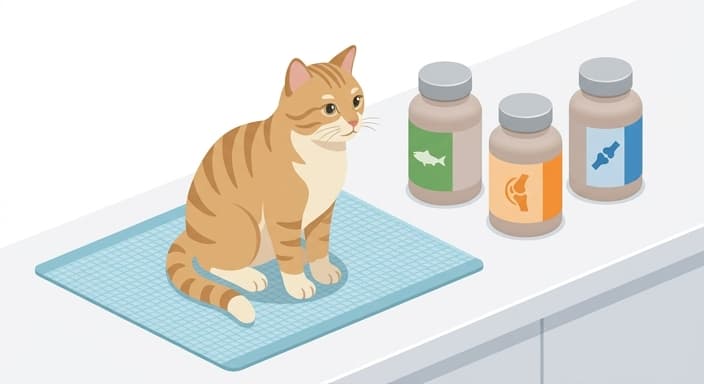
In addition to fats, look for targeted joint-supporting nutraceuticals. Glucosamine and chondroitin sulfate remain the gold standard for providing the building blocks of cartilage, but their effectiveness is heavily dependent on the quality and bioavailability of the source. Furthermore, I often recommend adding Undenatured Type II Collagen (UC-II) to a senior cat’s regimen. Unlike hydrolyzed collagen, UC-II works through a process called "oral tolerance," signaling the immune system to stop attacking the joint tissue, which can significantly reduce the inflammation associated with feline osteoarthritis.
Environmental Stewardship: Modifying the "Vertical World"
Cats are vertical creatures. Their comfort is intrinsically tied to their ability to survey their kingdom from heights. When joints begin to stiffen, the vertical world becomes a series of obstacles rather than a playground. Environmental modification is not just about convenience; it is about reducing the repetitive impact on fragile joints and preventing the muscle atrophy that occurs when a cat stops moving due to fear of pain.
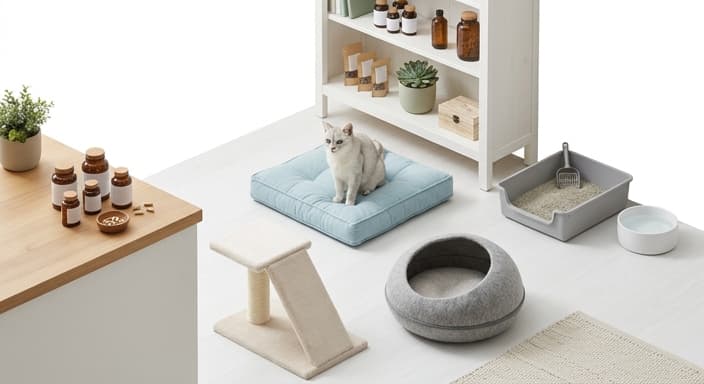
Start by auditing your home environment with a "senior-first" mindset. Replace steep, high-sided litter boxes with low-entry models to remove the need for high-stepping or jumping. Introduce pet-friendly stairs or ramps to provide gentle access to favorite perches, sofas, and beds. If your cat enjoys sunbathing on a windowsill, ensure there is a stable, non-slip stepstool nearby so they can reach their spot in two small increments rather than one high-impact leap. These minor physical adjustments significantly lower the daily "joint tax" your cat pays just by living their life.
The Role of Integrative Pain Management
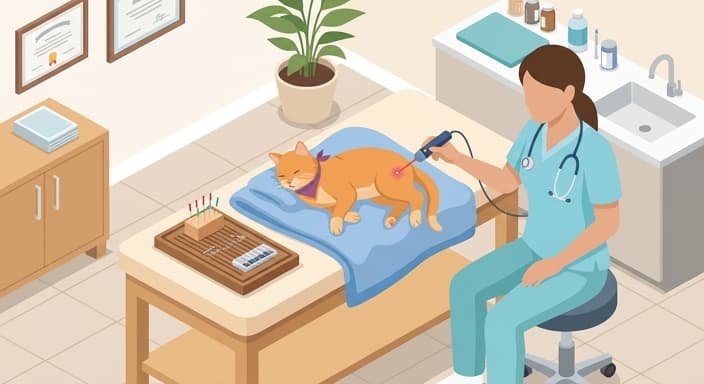
If your cat is already showing signs of discomfort, "proactive" now shifts to "managed." This does not mean we jump straight to heavy pharmaceuticals; instead, we build a scaffold of care. Acupuncture and low-level laser therapy (cold laser) have proven remarkably effective in feline patients. These modalities stimulate blood flow, encourage cellular repair, and provide immediate analgesic effects without the systemic side effects sometimes associated with long-term pain medication.
It is also vital to maintain a healthy body condition score. Obesity is the single greatest exacerbator of joint pain; every extra pound of body weight places a disproportionate amount of stress on the hips, knees, and spine. If your senior cat is overweight, a strictly controlled, high-protein, weight-loss diet can be the most potent pain reliever you provide. Work closely with your veterinarian to establish a body condition goal, and remember that even a 5% reduction in weight can lead to a 20% increase in mobility for a cat suffering from chronic joint inflammation.
Monitoring and The Importance of the "Baseline"
The key to successful management is consistent observation. Because your cat cannot tell you where it hurts, you must become a student of their baseline. I recommend that my clients keep a simple "mobility log" for their senior cats. Once a month, take a video of your cat walking, playing, and jumping. If you notice a change in the fluidity of their movement or a decrease in their willingness to engage in play, you have a concrete, objective reference point to show your veterinarian.
Early detection allows us to utilize conservative measures—such as joint supplements, weight management, and environmental changes—before we are forced to rely on more aggressive medical interventions. By viewing your senior cat’s joint health as a dynamic system that requires daily, intentional care, you aren't just adding years to their life; you are adding life to their years. Remember, your cat’s resilience is one of their most beautiful traits, but it is also why they need you to be their advocate. By recognizing the subtle signs of aging and acting with proactive, preventative measures, you ensure that your companion continues to navigate their world with the grace and dignity they deserve.
Common Questions
🤔
Frequently Asked Questions
When should I start joint-support strategies for a cat approaching senior years?▼
Start early, as aging changes become noticeable or even preemptively, and integrate nutrition, environmental modifications, and low-impact activity into daily life. Schedule regular veterinary screenings to catch subclinical arthritis before it progresses. A proactive plan now yields better mobility and comfort later in life.
What behavioral changes should I watch for that might indicate arthritis in a cat?▼
Monitor for reduced willingness to jump or access high surfaces, changes in grooming, hiding more, or altered sleep patterns. You might see increased irritability when touched, or avoidance of the litter box if its entry is difficult. Since cats hide pain, these subtle shifts are often the first signs clinicians rely on to start evaluation.
Which nutrients and supplements are most effective for feline joint health?▼
Omega-3 fatty acids EPA and DHA from fish oil help dampen inflammation, while glucosamine and chondroitin provide cartilage-building blocks. UC-II collagen may promote immune tolerance and reduce joint inflammation; however, quality and bioavailability matter. Always discuss dosing with a veterinarian, as needs vary by cat.
How can I modify my home to support my senior cat's joints and mobility?▼
Provide easier access with ramps or steps and choose low-entry litter boxes and soft, non-slip flooring. Position feeding and water stations at reachable heights and ensure stable, supportive resting surfaces. Introduce any changes gradually to minimize stress and help your cat adapt.