Blog5/21/2026
Preventive Health Tips for Midlife Pets: Nutrition & Wellness
7 mins Read

The Briefing
Quick takeaways for the curious
The midlife window (roughly ages seven to ten for most breeds) is a critical period for metabolic buffering, and proactive aging can prevent chronic disease rather than simply waiting for symptoms to appear.
Wellness during middle age requires shifting from treating symptoms to preserving cellular and structural integrity, recognizing that this phase involves accelerated oxidative stress that benefits from deliberate lifestyle changes.
Midlife nutrition should move from maintenance calories to lean longevity, including controlled phosphorus, increased EPA and DHA, and antioxidants to combat inflammation and cellular senescence.
Baseline Senior Wellness Bloodwork starting at year seven is essential for detecting subclinical disease by tracking trends in kidney function, hormones, electrolytes, and other markers before clinical signs emerge.
Weight management and inflammatory risk in midlife are central concerns, with early dietary and diagnostic interventions helping to set the stage for vitality in later years.
There is a pervasive misconception among many pet owners that the "middle years"—roughly ages seven to ten for most breeds—are merely a transition into a sedentary lifestyle, often overlooking the biological reality that this window represents the most critical period for "metabolic buffering." As a veterinarian consultant, I frequently see owners who view their pet’s slight slowing down as an inevitable byproduct of time, failing to realize that this phase is actually a high-stakes turning point where sub-clinical physiological shifts can be either managed through early intervention or allowed to ossify into chronic, life-limiting pathology.
We are moving away from the outdated notion that aging is a passive process we must simply observe, and toward a comprehensive understanding of "proactive aging," where our clinical focus shifts from treating symptoms to preserving cellular and structural integrity. True wellness for a middle-aged companion animal is not just about calorie restriction or keeping them comfortable; it is about recognizing that the midlife stage is a period of accelerated oxidative stress and that deliberate, evidence-based lifestyle modifications are the only way to ensure the later years are defined by vitality rather than pain management.
The Metabolic Pivot: Redefining Nutritional Requirements
The nutritional needs of a middle-aged pet differ profoundly from those of a growing puppy or kitten, or even a geriatric animal. During this "pivot" stage, the metabolic rate begins to decelerate, yet the requirement for high-quality, bioavailable micronutrients increases to combat the onset of cellular senescence. Many owners make the mistake of keeping their midlife pets on the same high-calorie maintenance diet they used in their prime, inadvertently fueling the weight gain that puts undue mechanical stress on joints and metabolic strain on the endocrine system.
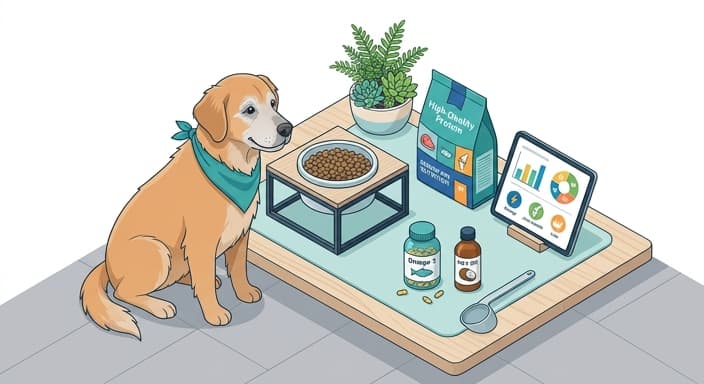
Proactive nutrition in the middle years should prioritize "lean longevity." This means transitioning to diets with controlled phosphorus levels to support renal function and increased levels of Omega-3 fatty acids, specifically EPA and DHA, to manage systemic inflammation. We are no longer looking for "maintenance" calories; we are looking for "therapeutic" calories. If your pet is starting to show a slight "midlife spread," it is not just a cosmetic issue—it is a inflammatory trigger. Consult your veterinarian about switching to a diet enriched with antioxidants like Vitamin E and C, which help neutralize the free radicals that accumulate as your pet’s internal repair mechanisms begin to lose their youthful efficiency.

Diagnostic Vigilance: The Power of Baseline Bloodwork
One of the most effective tools in my clinical arsenal is the "Senior Wellness Panel," which I strongly recommend initiating the moment a pet enters that seventh year of life. There is a prevailing myth that blood tests are only necessary when a pet looks "sick." In reality, by the time clinical symptoms like lethargy, increased thirst, or weight loss become visible to the naked eye, the underlying pathology—such as early-stage kidney disease, hyperthyroidism, or diabetes—has often already claimed a significant portion of the organ’s functional capacity.
Establishing a baseline of your pet's blood chemistry, electrolyte balance, and hormone levels allows us to track subtle trends over time. A rise in creatinine that remains within the "normal" range but shows a steady upward trajectory year-over-year is a red flag that allows us to intervene with diet or hydration strategies long before the pet enters renal failure. Proactive diagnostics turn the tide from reactive crisis management to preventative preservation. It is not about obsessing over every fluctuation; it is about respecting the data as a map that guides us in keeping your pet’s internal environment stable.
Joint Integrity: Managing the "Wear and Tear" Tax
Midlife is the period where the cumulative impact of a pet’s active youth begins to manifest in the joints. Even if your dog or cat isn't limping, they may be experiencing low-grade osteoarthritis, which causes them to alter their gait to compensate for discomfort. This "compensatory movement" often leads to secondary muscle atrophy, which further destabilizes the joints.
To combat this, we must shift our perspective from "wait and see" to active joint support. This includes the integration of evidence-based nutraceuticals, such as glucosamine, chondroitin, and undenatured Type II collagen, which have shown promising results in cartilage maintenance. Furthermore, physical activity should be redefined as "low-impact, high-frequency." Instead of weekend-warrior-style hikes that spike inflammation, aim for consistent, daily movement that keeps the synovial fluid moving without overstressing the cartilage. If you notice your pet hesitating before jumping onto the couch or choosing to lie down during walks, view these not as "laziness," but as gentle, early signals that their musculoskeletal system requires a more supportive, structured approach to exercise.

The Cognitive Connection: Sustaining Mental Sharpness
We often focus on the physical body, yet the midlife brain is equally susceptible to decline. Cognitive Dysfunction Syndrome (CDS) in pets is the veterinary equivalent of human dementia, and it is frequently underdiagnosed because owners assume confusion or changes in sleep patterns are simply "normal aging." However, neuro-protection is possible through both enrichment and targeted supplementation.
Engaging your midlife pet in "brain games"—such as scent-work puzzles, short training sessions for new tricks, or even controlled social interactions—maintains neural plasticity. Think of it as cognitive cross-training. Additionally, dietary supplements such as MCT oils (medium-chain triglycerides) have shown potential in providing the brain with an alternative energy source, helping to maintain cognitive function and reduce the "brain fog" that can accompany aging. If your pet begins pacing at night, staring at walls, or losing interest in familiar activities, do not dismiss it as a quirky habit; it is a clinical symptom that requires an immediate conversation with your veterinarian about neuro-protective strategies.
Cultivating a Supportive Home Environment
As your pet enters their middle years, small, thoughtful adjustments to your home environment can have a massive impact on their quality of life. Proactive health is not just about what happens in the exam room; it is about how the pet interacts with their daily surroundings. For cats, this means ensuring that vertical spaces are still accessible but perhaps easier to reach; consider adding a "staircase" or a lower-tier platform to their favorite cat tree so they don't have to strain their joints to reach their perch.
For dogs, focus on slip-prevention. Hardwood and tile floors can be treacherous for a middle-aged dog with early-stage joint stiffness. Placing non-slip rugs in high-traffic areas reduces the risk of traumatic injuries, which take significantly longer to heal in a midlife pet than in a puppy. Furthermore, ensure that their bedding provides orthopedic support. A thin, flat mat is no longer sufficient; invest in high-density memory foam that distributes their weight evenly and relieves pressure on the hips and shoulders. By modifying the environment to meet the pet where they are, you are actively reducing the physical tax of daily living, allowing them to conserve their energy for the activities they truly enjoy.
The Holistic Path to Vitality
The middle years of a pet's life are perhaps the most rewarding. You have moved past the chaotic, high-energy demands of the juvenile phase, and you have the benefit of a deep, established bond. By viewing these years as a vital period of "metabolic buffering," we can shift the narrative from one of inevitable decline to one of managed vitality. Through a combination of precise nutrition, proactive diagnostic screening, joint protection, and cognitive enrichment, you are not just hoping for a long life for your companion—you are actively constructing one. Remember that every small, consistent choice you make today—from the quality of their kibble to the softness of their bed—is a down payment on their comfort and joy in the years to come. Your pet has spent their life giving you their best; this is your opportunity to return the favor by ensuring their middle years are the strongest they can possibly be.
Common Questions
🤔
Frequently Asked Questions
What is metabolic buffering and why is midlife a critical window for it?▼
Metabolic buffering describes the body's ability to counter subtle, disease-promoting shifts that begin in midlife. The seven-to-ten year window is a turning point where small changes can be managed before they become chronic problems. Proactive care targets the underlying biology rather than waiting for visible illness. With early intervention, many pets maintain vitality rather than develop costly diseases later.
How should nutrition change in midlife pets according to the article?▼
Midlife nutrition should shift from maintenance calories to lean longevity. This includes controlled phosphorus to support renal function and higher EPA and DHA to reduce systemic inflammation. It also emphasizes antioxidant support rather than simply maintaining the old caloric level. Always consult your veterinarian to tailor the diet to your pet's signals and health status.
What is the Senior Wellness Panel and why start at seven years?▼
Senior Wellness Panel is a baseline blood work panel recommended at seven years of age. It helps detect subclinical disease by monitoring kidney function, hormones, electrolytes, and other markers before clinical signs appear. Tracking year over year allows early intervention when trends shift, such as a rising creatinine within the normal range. This shift from reactive care to preventative preservation can preserve organ function and quality of life.
What role do antioxidants and Omega-3 fatty acids play in midlife health?▼
Antioxidants like Vitamin E and Vitamin C help neutralize free radicals as the pet's internal repair mechanisms slow with age. Omega-3 fatty acids EPA and DHA support management of systemic inflammation, contributing to healthier joints, skin, and overall metabolic balance. This combination is a key element of the lean longevity approach and should be considered as part of a veterinary guided plan. Work with your veterinarian to choose appropriate products and dosages.