Blog5/16/2026
Preventive Dental Care for Pets: Home Care Essentials
6 mins Read
The Briefing
Quick takeaways for the curious
Periodontal disease is a systemic inflammatory condition that can threaten the heart, kidneys, and liver, not merely a cosmetic issue.
There is a shift toward proactive oral stewardship, emphasizing prevention and a home-care routine guided by prevention rather than reactive surgery.
The oral cavity is a primary gateway for pathogens, so consistent, evidence-based home care is essential to prevent painful, life-limiting consequences of decay.
Plaque forms quickly and can mineralize into tartar within 48 to 72 hours, creating a permanent surface for bacterial colonization that is hard to remove without mechanical cleaning.
Brushing remains the gold standard for dental care in dogs and cats; start with acclimation, use pet toothpaste without fluoride, and aim for about 30 seconds every other day rather than a sporadic deep clean.
There is a pervasive misconception among modern pet owners that the health of a pet’s mouth is merely a cosmetic concern or a matter of breath freshness, often overlooking the biological reality that periodontal disease is a systemic inflammatory condition capable of compromising the heart, kidneys, and liver. As a veterinarian consultant, I frequently see patients presenting with "silent-pathology syndromes"—where chronic, low-grade bacterial infections in the gingival sulcus have progressed to bone loss and systemic sepsis—and I have found that the most significant advancement in veterinary dentistry is the shift toward "proactive oral stewardship," where the home-care routine we curate is filtered through a lens of prevention rather than reactive surgery.
We are moving away from the outdated notion that dental disease is an inevitable consequence of aging in dogs and cats, and toward a comprehensive understanding of the oral microbiome’s role in overall vitality. True wellness for a companion animal is not just about balanced nutrition or routine physical exams; it is about recognizing that the oral cavity is a primary gateway for pathogens and that consistent, deliberate, and evidence-based interventions are the only way to prevent the painful, life-limiting consequences of untreated dental decay.
The Pathology of Periodontitis: More Than Just "Dog Breath"
To understand why dental hygiene is a clinical imperative, we must first recognize the physiological reality of how plaque develops. Within hours of a meal, a thin film of bacteria—known as a biofilm—attaches to the surface of the teeth. If this biofilm is not mechanically disrupted, it mineralizes into tartar (calculus) within 48 to 72 hours. Once tartar forms, it acts as a permanent, calcified anchor for further bacterial colonization.
In my practice, I emphasize that "dog breath" or "cat breath" is rarely normal. When an owner tells me their pet has "just always had bad breath," they are usually describing the smell of gingivitis—an active, inflammatory response to bacterial toxins. If left unchecked, this inflammation destroys the periodontal ligament that anchors the tooth to the jawbone. This doesn't just result in tooth loss; it creates an open wound in the mouth that allows bacteria to enter the bloodstream every time the animal eats or grooms. This "bacteremia" can seed distant organs, placing unnecessary strain on the immune system and potentially leading to complications in pets with pre-existing heart valve issues or renal insufficiency.
Establishing a Home-Care Routine: The Gold Standard
The most effective tool in your dental arsenal is the toothbrush. While there are many dental treats and additives on the market, none possess the mechanical scrubbing power required to lift biofilm from the gum line. The goal is to establish a habit that is non-aversive; if your pet associates brushing with stress or restraint, the long-term compliance will fail.
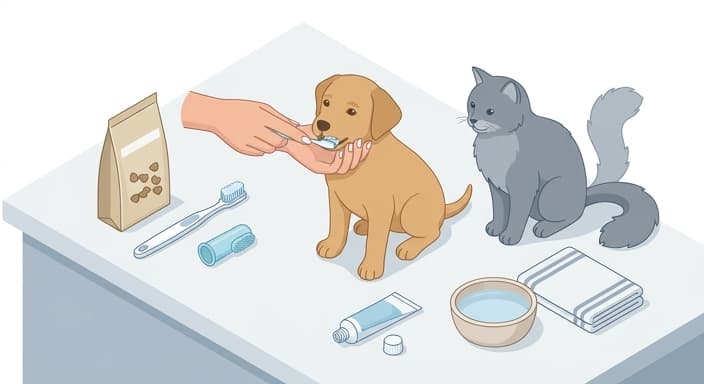
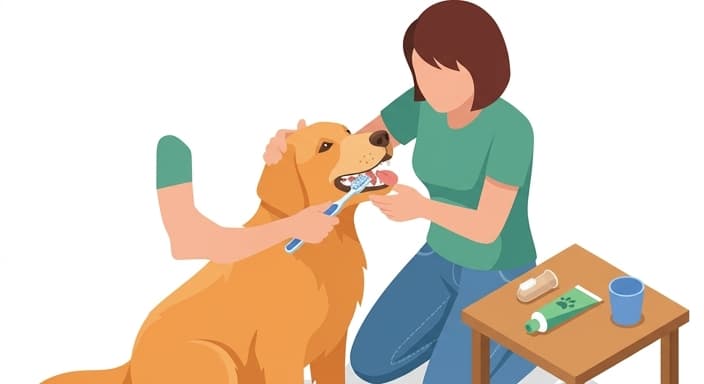
Start by acclimating your pet to the sensation of having their lips lifted and their gums touched with a finger. Use a pet-specific toothpaste, which is formulated without fluoride and often flavored with ingredients like poultry or malt to encourage acceptance. Never use human toothpaste, as ingredients like xylitol or high-concentrate fluoride are toxic to animals. Once your pet is comfortable with a finger brush or a soft-bristled toothbrush, focus your efforts on the outer surfaces of the upper teeth—this is where the most significant accumulation of plaque occurs, as the tongue naturally cleans the inner surfaces. Consistency is far more important than intensity; thirty seconds of brushing every other day is significantly more effective than a frantic, deep-cleaning session once a month.
Nutritional Support and Mechanical Abrasion
While brushing remains the gold standard, we can augment our efforts through specific nutritional strategies. I often recommend VOHC-approved (Veterinary Oral Health Council) dental diets or treats, which are designed to provide mechanical abrasion. Unlike standard kibble, which often shatters upon impact, these specialized diets are formulated with a specific fiber matrix that allows the tooth to penetrate the surface of the kibble before it breaks, essentially "wiping" the tooth clean as the animal chews.
It is critical, however, to understand that treats should never replace a professional examination. Many owners rely solely on "dental chews" and are surprised to find advanced stage-four periodontitis during a routine wellness check. Chews should be viewed as a supplementary layer of protection—a secondary line of defense against biofilm buildup. Furthermore, be cautious of extremely hard chews such as deer antlers, cow hooves, or hard nylon bones. While they are effective at removing tartar, they also carry a high risk of slab fractures, particularly to the carnassial teeth (the large molars). A good rule of thumb is the "knee-cap test": if you cannot indent the product with your own fingernail, it is likely too hard for your pet’s teeth.
Recognizing the Subtle Signs of Oral Pain
Pets are masters of concealing pain, a survival instinct rooted in their wild ancestry. By the time a dog or cat stops eating or begins to drop food from their mouth, the dental disease is almost certainly advanced. As an owner, you must look for the "micro-signs" of oral discomfort. These include a sudden preference for soft food, a decrease in interest in hard toys, excessive drooling, or a tendency to chew on only one side of the mouth.
Another often-overlooked indicator is "face rubbing" against furniture or a change in temperament, where a previously social pet becomes irritable or hides more frequently. Chronic pain is exhausting, and it is common for owners to mistake the lethargy caused by dental pain for "just getting older." When we provide appropriate dental care and resolve these hidden infections, I frequently hear owners report that their pet seems to have "found their youth again"—they are more playful, more energetic, and more engaged. This is a testament to how much energy the body was previously dedicating to fighting a constant, localized infection.

The Role of Professional Veterinary Dentistry
Even with the most rigorous home-care routine, professional dental cleanings under general anesthesia are essential. Home care is designed to slow the progression of disease, but it cannot reverse established pocketing or remove tartar that has formed below the gum line. A professional veterinary dental cleaning is a comprehensive procedure that involves full-mouth radiographs, ultrasonic scaling, and subgingival root planing.
Radiographs are the most critical component of this process. Up to 60% of a tooth’s structure is hidden beneath the gum line; without X-rays, a veterinarian is essentially performing a "blind" procedure. We look for resorptive lesions, abscesses at the root tips, and bone loss that is invisible to the naked eye. Anesthesia allows us to safely probe the gingival sulcus for depth and ensure that we are addressing the root cause of the pathology. By integrating professional cleanings into your pet’s life every 12 to 24 months, you can often prevent the need for expensive and invasive extractions, keeping your pet’s natural teeth healthy well into their senior years.
Conclusion: A Lifetime of Oral Wellness
Preventive dental care is an investment in your pet’s longevity and daily quality of life. By shifting our perspective to view oral hygiene as a foundational pillar of health—equal in importance to nutrition and exercise—we can shield our companions from the silent, systemic effects of periodontal disease. Start slow, maintain consistency with mechanical brushing, utilize high-quality dental aids, and ensure your veterinarian performs regular oral assessments. A healthy mouth is the foundation of a healthy body, and through your dedicated stewardship, you are providing your pet with the best possible chance at a long, pain-free, and vibrant life.
Common Questions
🤔
Frequently Asked Questions
Why is dental care important for pets beyond fresh breath?▼
Dentistry is more than pleasant breath: periodontal disease is a collection of bacterial inflammation that can progress silently and seed bacteria into the bloodstream. Plaque biofilm forms quickly and can mineralize into tartar within 48-72 hours, anchoring more bacteria. If left untreated, inflammation damages the periodontal ligament, leading to tooth loss and systemic bacteremia that can impact the heart valves or kidneys. Early, proactive care reduces long-term pain and systemic risk.
How do I start a safe home brushing routine for my pet?▼
Begin by acclimating your pet to having lips lifted and gums touched, use a finger brush or soft-bristled toothbrush, and choose a pet toothpaste without fluoride. Never use human toothpaste because ingredients like xylitol and high concentration fluoride are toxic to animals. Focus on cleaning the outer surfaces of the upper teeth where plaque accumulates most, and remember that consistency matters more than intensity. Aim for about 30 seconds every other day instead of a deep clean once a month.
Are dental treats or supplements enough to keep my pet's teeth healthy?▼
While dental treats and additives can support oral health, they cannot substitute for mechanical cleaning. They typically lack the scrubbing action needed to remove biofilm from the gum line. Brushing remains the gold standard for removing plaque and preventing tartar buildup. VOHC approved products may augment care, but they should complement rather than replace brushing.
Should I involve a veterinarian in my pet's preventive dental plan?▼
Yes. A veterinarian can help tailor a prevention focused plan, explain where your home care routine fits into your pet's overall health, and identify when professional cleaning is indicated. Proactive oral stewardship aims to prevent silent pathology and systemic complications before they arise. Regular exams and a structured home care routine maximize long-term vitality and minimize costly interventions later.