Blog6/6/2026
Personalized Nutrition Plans for Senior Pets: Tailored Wellness
6 mins Read
The Briefing
Quick takeaways for the curious
Senior nutrition is not simply swapping to a 'Senior' labeled bag; aging is a highly individual physiological process that requires precision.
A personalized plan shifts from 'maintenance' diets to metabolic optimization, using targeted protein, calories, and micronutrients to delay age-related decline.
High-quality, highly digestible protein helps combat sarcopenia and supports mobility, countering the common pitfall of indiscriminately lowering protein.
Addressing inflammation and oxidative stress with omega-3s, antioxidants, and, when appropriate, MCTs for cognitive health, is central to a long, vibrant senior life.
Implementation hinges on data from veterinary assessment—blood work, body condition score, and health status—so the plan is tailored to the individual rather than a mass-market diet.
There is a pervasive misconception among many pet owners that senior nutrition is merely a matter of switching to a bag labeled "Senior" at the grocery store, often overlooking the biological reality that aging is not a uniform process but a highly individual physiological decline. As a veterinarian consultant, I frequently see owners who treat their aging companions as if they were smaller versions of their younger selves, failing to realize that the metabolic, hormonal, and musculoskeletal shifts occurring in a senior pet require a level of precision that off-the-shelf "maintenance" diets simply cannot provide.
We are moving away from the outdated notion that senior pet care is a passive exercise in "slowing down," and toward a comprehensive understanding of "metabolic optimization," where personalized nutrition serves as the primary intervention to delay the onset of age-related infirmities. True vitality for a companion animal in their twilight years is not just about calorie restriction; it is about recognizing that their ancestral physiology is facing unique challenges—such as reduced nutrient absorption, systemic inflammation, and cellular oxidative stress—and that actively tailoring their caloric and micronutrient intake is the most powerful tool we have to preserve their quality of life.
The Lifecycle Fallacy: Why "One-Size-Fits-All" Senior Diets Fail
The most dangerous myth in the senior pet world is the "Senior Label" trap. Many owners believe that because a bag of kibble is marketed for pets over seven or eight years of age, it is nutritionally sufficient for every senior dog or cat. In reality, these commercial diets are often formulated based on broad, generic assumptions: they typically reduce protein (to spare kidneys) and lower calories (to prevent obesity).
However, current veterinary research tells us that older pets actually need higher quality, highly digestible protein to combat sarcopenia—the age-related loss of muscle mass. When we indiscriminately slash protein intake, we may be inadvertently accelerating muscle wasting, which makes mobility and joint support significantly harder for the animal. A personalized plan rejects the "one-size-fits-all" approach, instead prioritizing bioavailable nutrients tailored to the individual’s blood work, body condition score, and underlying health status. When you move to a customized plan, you aren't just feeding your pet; you are managing their systemic health through their bowl.

Decoding the Metabolic Shift: Inflammation and Oxidative Stress
As our pets age, their internal environments become hotbeds for systemic inflammation. This is often the precursor to chronic conditions like arthritis, cognitive dysfunction, and heart disease. Personalized nutrition addresses this by shifting the focus from "macro-nutrients" to "micro-nutrients" and functional ingredients. For instance, the inclusion of omega-3 fatty acids—specifically EPA and DHA derived from fish oil—is not just a fancy add-on; it is a clinical intervention. These fatty acids act as natural anti-inflammatories that can modulate the immune response and soothe the systemic "fire" that characterizes aging.
Furthermore, we must address oxidative stress, which occurs when there is an imbalance between free radicals and antioxidants in the body. A personalized plan incorporates targeted antioxidants like Vitamin E, Vitamin C, taurine, and L-carnitine, which help protect cellular integrity. Unlike commercial diets that may contain the bare minimum levels of these compounds, a personalized plan ensures your pet receives the specific therapeutic doses required to support their liver, heart, and cognitive function. If your dog is struggling with early-stage cognitive decline, for example, we might incorporate medium-chain triglycerides (MCTs) to provide an alternative energy source for the brain, something you will never find in a standard maintenance diet.
The Role of Body Condition Scoring (BCS) and Muscle Mass
In my clinical practice, I often use a Body Condition Score (BCS) chart, ranging from 1 to 9, to help owners visualize their pet’s needs. For a senior pet, the goal is often a lean 4 or 5. However, there is a nuance that many owners miss: "weight" is not the same as "composition." A pet can have a healthy weight but poor muscle tone, which is a red flag for metabolic health.
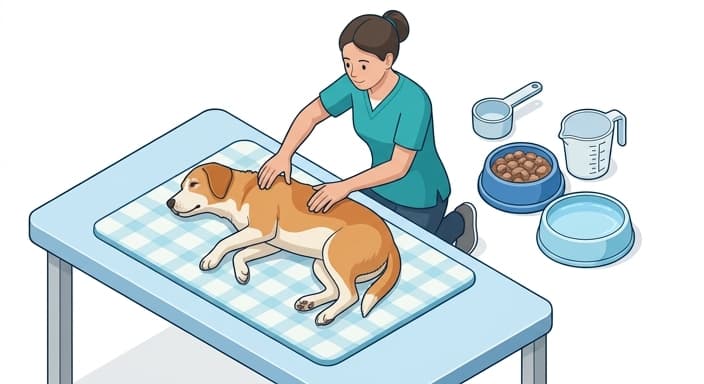
Personalized nutrition plans must be dynamic. If your pet begins to lose muscle mass due to arthritis or endocrine issues like Cushing’s disease or hyperthyroidism, their caloric and protein requirements change overnight. We cannot rely on a feeding guide printed on the back of a bag that assumes a static metabolic rate. Instead, we must monitor the pet’s muscle mass through regular physical palpation. If I notice a "dishing out" around the shoulder blades or a loss of fullness along the spine, we adjust the diet immediately to increase protein quality and adjust caloric density. This is the difference between surviving and thriving.
Hydration and Gut Health: The Often-Overlooked Pillars
Aging pets often face a decline in thirst drive, which can lead to chronic, low-grade dehydration. This puts immense strain on the kidneys, which are already working harder to filter waste as the pet ages. A personalized nutrition plan prioritizes moisture content. While a dry kibble diet is convenient, it is often a poor choice for a senior pet with sub-clinical kidney or urinary issues. Transitioning to a combination of high-quality wet food, or even integrating bone broths and fresh, water-rich vegetables, can make a monumental difference in renal health.
Simultaneously, we must look at the gut microbiome. As pets age, the diversity of their gut bacteria often decreases, which can impair nutrient absorption and worsen systemic inflammation. A personalized plan might include specific prebiotics—like inulin or beet pulp—or even veterinarian-approved probiotics to support the "gut-brain axis." When the gut is balanced, the pet is better equipped to absorb the nutrients that keep their coat shiny, their joints mobile, and their energy levels stable. It is the foundation upon which all other health interventions are built.
Building a Partnership with Your Veterinarian for Longevity
The most successful personalized nutrition plans are not static documents; they are living, breathing strategies that evolve alongside your pet. This requires a collaborative approach between you and your veterinary team. Before starting any new dietary protocol, you must establish a baseline through senior wellness panels. These tests—which include complete blood counts, chemistry panels, urinalysis, and sometimes blood pressure monitoring—allow us to tailor the diet to the organ systems that need the most support.
For instance, a dog with elevated liver enzymes will require a different dietary strategy than a cat struggling with early-stage chronic kidney disease. By using diagnostics to dictate the diet, we stop guessing and start intervening. I encourage owners to maintain a "wellness journal," documenting not just weight, but energy levels, stool quality, and mobility. These subjective observations are just as important as the numbers on a lab report. When you bring this data to your vet, you turn a routine check-up into a high-level consultation, ensuring your pet’s golden years are characterized by comfort, dignity, and joy.
Ultimately, personalized nutrition is an act of profound love. By moving away from the convenience of mass-market "senior" labels and embracing a strategy that respects the unique, aging physiology of your companion, you are doing more than just feeding them—you are actively participating in their longevity. A tailored approach acknowledges that your pet’s needs are as unique as their personality, and by providing them with the exact nutrients their body craves, you are honoring the life they have shared with you. Start small, consult your veterinarian, and remember that with the right, precise nutrition, the twilight years can truly be the most rewarding chapter of your journey together.
Common Questions
🤔
Frequently Asked Questions
Why are 'Senior' dog or cat diets often inadequate?▼
Senior diets are often based on broad assumptions and may reduce protein or calories without considering an individual pet's needs. Older pets frequently require higher quality, highly digestible protein to combat sarcopenia and maintain mobility. A truly personalized plan uses a pet's blood work, body condition, and health status to guide nutrient choices rather than relying on a mass-market label.
How does personalized nutrition address inflammation and oxidative stress?▼
Personalized nutrition focuses on micro-nutrients and functional ingredients, notably omega-3 fatty acids EPA and DHA to modulate inflammation. It also targets antioxidants such as Vitamin E, Vitamin C, taurine, and L-carnitine at therapeutic levels to protect cellular integrity. In some cases, specific components like MCTs can support cognitive function, offering an alternative energy source for the aging brain.
What practical steps can owners take to start personalizing their pet's nutrition?▼
Start with a veterinary assessment that includes blood work and a body condition score. Use the results to guide choices in protein quality, micronutrient targets, and potential functional ingredients. Implement gradual dietary changes with professional guidance, and monitor weight, mobility, and appetite over time to adjust the plan as needed.
How do you measure success in a personalized senior nutrition plan?▼
Success is tracked by improvements in body condition and mobility, as well as stability or improvement in cognitive function and overall vitality. Regular veterinary follow-up and blood work help gauge inflammation and organ health, ensuring nutrient levels remain therapeutic rather than excessive. The plan should be flexible, with adjustments based on ongoing observations of quality of life and objective health markers.