Blog6/1/2026
Personalized Nutrition Plans for Senior Pets: Metabolic Wellness
6 mins Read
The Briefing
Quick takeaways for the curious
Aging is not simply a smaller version of youth; senior pets require recalibrated nutrient density, bioavailability, and caloric management to support metabolism in golden years.
Relying on generic 'all life stages' diets can worsen aging-related issues because digestion and nutrient absorption decline, making higher-quality amino acids and tailored protein more important.
Personalized nutrition shifts focus from weight control alone to metabolic stewardship, prioritizing high-biological-value proteins, anti-inflammatory support, and cognitive-enhancing micronutrients.
Diagnostics-driven planning, including geriatric panels and organ-specific assessments, guide adjustments to protein sources, antioxidants, and omega fatty acid balance.
Implementing a truly senior-focused plan requires ongoing veterinary guidance and regular biomarker monitoring to adapt meals as a pet's condition changes.
There is a pervasive misconception among many pet owners that the nutritional requirements of a senior pet are simply a scaled-down version of their younger years, often overlooking the biological reality that aging is a metabolic shift that demands a complete recalibration of nutrient density, bioavailability, and caloric management. As a veterinarian consultant, I frequently see owners who continue feeding their aging companions the same "all life stages" kibble they used at age two, failing to realize that these clinical manifestations of lethargy, muscle wasting, and cognitive decline are often the direct result of a metabolic mismatch—a failure to provide the targeted building blocks necessary to sustain a body in its golden years.
We are moving away from the outdated notion that senior nutrition is merely about "weight control" or calorie restriction, and toward a comprehensive understanding of "metabolic stewardship," where personalized nutrition plans serve as the cornerstone of geriatric wellness. True vitality for a senior companion animal is not just about avoiding obesity; it is about recognizing that their physiology is undergoing significant cellular turnover and that their ancestral requirements have shifted toward higher-quality proteins, specific anti-inflammatory support, and cognitive-enhancing micronutrients that standard, mass-produced diets simply cannot provide.
The Nutritional Fallacy: Why "One-Size-Fits-All" Diets Fail Senior Pets
The most dangerous myth in modern pet nutrition is that a standard, "complete and balanced" commercial diet is sufficient for the entirety of a pet's life, provided the caloric intake is monitored. This approach ignores the biochemical "tax" that aging places on the kidneys, liver, and digestive tract. As a dog or cat enters their senior years, their ability to digest and synthesize nutrients begins to decline. For instance, the efficiency of protein absorption often decreases, meaning a pet might be eating the same amount of protein as they did in their prime, but their body is actually receiving significantly less.
When we rely on generic formulas, we overlook the need for increased levels of high-biological-value amino acids, such as leucine, which are critical for preventing sarcopenia—the age-related loss of muscle mass. Furthermore, the standard dietary ratios of omega-6 to omega-3 fatty acids in mass-market foods are often skewed toward pro-inflammatory pathways. In a senior pet, whose joints and immune system are already navigating chronic, low-grade systemic inflammation, this nutritional imbalance is akin to pouring gasoline on a smoldering fire. Personalized nutrition moves beyond the label to analyze the specific metabolic demands of your individual pet, ensuring that every bite serves a therapeutic purpose.
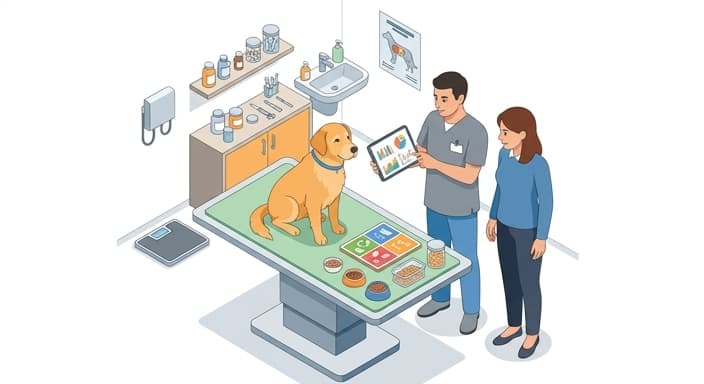
Assessing Metabolic Needs: The Role of Diagnostics in Meal Planning
To build a truly personalized nutrition plan, we must first move beyond guesswork and into the realm of data-driven diagnostics. A generic plan assumes that all ten-year-old Labradors are the same, but your pet’s unique health history—ranging from prior dental disease to subclinical kidney changes—dictates their specific nutritional needs. The first step in this process is a comprehensive "geriatric panel," which includes not just a standard CBC and biochemistry profile, but an assessment of electrolyte balance, thyroid function (especially in cats), and blood pressure.
When we see a slight elevation in kidney values (SDMA or Creatinine), we don't just "switch to a kidney diet." We analyze the phosphorus content of their current food, the protein quality, and the necessity of adding specific antioxidants that support renal perfusion. For a pet with early-stage osteoarthritis, we look at the EPA and DHA concentrations in their diet, often supplementing with concentrated marine oils to reach therapeutic levels that a standard bag of kibble never could. By integrating clinical lab data with dietary formulation, we transition from reactive feeding to proactive nourishment, effectively slowing the progression of age-related decline.
The Importance of Protein Quality and Bioavailability
One of the most critical components of a senior nutrition plan is the focus on "protein sparing." As pets age, their kidneys are often the most scrutinized organ, leading many owners to unnecessarily restrict protein. This is a profound error. Unless a pet is in advanced stages of chronic kidney disease, they require high-quality, easily digestible protein to maintain muscle mass and immune function. The goal should not be lower protein, but rather higher-quality protein that produces fewer metabolic waste products (nitrogenous waste) for the kidneys to filter.
I often recommend transitioning seniors toward whole-food, minimally processed diets that utilize high-bioavailability ingredients like muscle meats, organs, and eggs. These foods are much more efficiently utilized by the aging gut than highly processed, starch-heavy dry foods. By increasing the digestibility of the diet, we reduce the burden on the gastrointestinal tract and ensure that the pet is actually absorbing the amino acids required to repair cells and maintain organ function. For senior cats, who are notoriously prone to muscle wasting, this focus on protein quality is not just a dietary preference—it is a life-extending intervention.
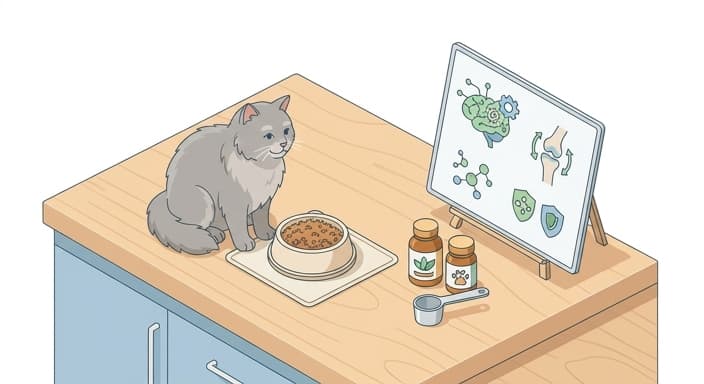
Targeted Micronutrient Support for Cognitive and Joint Longevity
Beyond the macros of protein, fat, and carbohydrates, personalized nutrition for seniors must include specific micronutrient "insurance policies." As the blood-brain barrier becomes more permeable and oxidative stress increases throughout the body, our nutritional strategies must adapt to support cognitive function and mobility. This involves the strategic addition of "nutraceuticals"—nutrients that act like pharmaceuticals in their targeted impact on health.
For cognitive health, I advocate for the inclusion of medium-chain triglycerides (MCTs), which provide an alternative energy source for the aging brain, and antioxidants like Vitamin E, C, and selenium, which help neutralize the free radicals that accumulate with age. Regarding joint health, we move away from the "sprinkle of glucosamine" found in some kibbles and toward therapeutic dosages of undenatured collagen, green-lipped mussel, and turmeric (curcumin). These are not just "add-ons"; they are foundational elements of a personalized plan designed to keep your pet moving comfortably. By tailoring these supplements to the pet’s specific symptoms—whether it’s morning stiffness or "sundowning" behavior—we provide a level of care that maintains their quality of life well into their twilight years.
Implementing the Plan: Transitioning and Monitoring
Transitioning a senior pet to a personalized nutrition plan requires patience and precision. The aging digestive system is more sensitive to sudden changes, so a slow, two-week transition is mandatory to prevent GI upset. During this time, we closely monitor stool quality, energy levels, and body condition scores. It is also essential to track weight with precision; in senior pets, small fluctuations are often the first sign of an underlying issue.
I advise my clients to maintain a "wellness journal" during the first month of a new nutritional program. Note changes in their eagerness to eat, the quality of their coat, their thirst levels, and their mobility. If a cat suddenly starts grooming better or a dog finds their "puppy spark" again during walks, you are receiving real-time feedback that the nutrient profile is hitting the mark. Remember, the goal of personalized nutrition is not to reach a static finish line, but to provide an adaptable framework that evolves with your pet. As their needs change, so too must their diet.
Personalized nutrition for senior pets is the most profound expression of the bond we share with our companions. By moving away from the convenience of generic, mass-produced diets and embracing a strategy rooted in individual metabolic needs, we provide our aging friends with the dignity of vitality. Whether it is refining protein sources to protect renal health or integrating targeted antioxidants to sharpen cognitive function, the effort you put into their bowl today will pay dividends in the years to come. Your senior pet has spent their life supporting you; a personalized, proactive nutrition plan is the most effective way to support them in return, ensuring their golden years are characterized not by decline, but by comfort, energy, and continued connection.
Common Questions
🤔
Frequently Asked Questions
What is metabolic stewardship in senior pet nutrition?▼
Metabolic stewardship treats aging as a dynamic physiological process rather than a fixed caloric need. It emphasizes aligning nutrient quality, bioavailability, and micronutrients with the pet's changing metabolism to support organ function, muscle mass, and cognitive health. In practice, this means selecting protein sources with high biological value, balancing fats to modulate inflammation, and tailoring calories to preserve lean body mass. Regular monitoring helps adjust the plan as kidney, liver, or thyroid function evolves.
Why are 'one-size-fits-all' diets inadequate for senior pets?▼
Aging alters digestion and nutrient utilization, so a standard formula often fails to meet reduced protein assimilation and increased inflammatory needs. Senior kidneys, liver, and gut handle nutrients differently, requiring adjustments in protein quality, phosphorus load, and omega-3 to omega-6 balance. Mass-market diets may lack targeted anti-inflammatory components and cognitive-supporting micronutrients. A personalized plan aligns with the pet's specific health history and diagnostic findings.
Which diagnostics are essential for creating a personalized plan?▼
A comprehensive geriatric panel includes a CBC, chemistry profile, electrolyte assessment, and, for cats, thyroid testing, along with blood pressure. Kidney function markers such as SDMA and creatinine help guide protein and phosphorus adjustments. Dental health, arthritis status, and inflammatory markers also influence nutrient choices, such as omega-3 levels and antioxidant support. Regular rechecks allow dietary plans to adapt as health parameters change.
What practical steps can owners take to start personalizing meals for a senior pet?▼
Begin with a veterinary-led geriatric assessment to identify specific nutritional needs. Track body condition and weight, adjusting portions to preserve lean mass rather than simply cutting calories. Choose protein sources with high biological value and consider targeted supplements (e.g., EPA/DHA for joints, antioxidants for cognitive support) under professional guidance. Schedule periodic rechecks to refine the plan as biomarkers and clinical signs evolve.