Blog5/8/2026
Non-Anesthetic Dental Care for Pets: Safe at-Home Options
5 mins Read
The Briefing
Quick takeaways for the curious
Periodontal disease is the most common dental condition in adult dogs and cats and can act as a silent gateway to systemic health issues involving the heart, kidneys, and liver.
Non-anesthetic dental care (NAD) is an awake cleaning that is primarily cosmetic and maintenance-focused, not a substitute for a professional dental cleaning under anesthesia.
NAD cannot treat subgingival plaque, periodontal pockets, or unseen tooth structures beneath the gums, and pets with existing dental disease still require veterinary exams and treatments.
Daily home care is foundational, with routine brushing using pet-safe enzymatic toothpaste as the gold standard for preventing tartar buildup.
VOHC-approved dental chews, water additives, and specialized dental diets can support oral health, but they work best when used consistently alongside regular professional care.
There is a pervasive misconception in the world of pet ownership that dental health is purely cosmetic, or that a "doggy breath" is simply an unavoidable price of companionship. As a veterinarian consultant, I find that many pet parents are shocked to learn that periodontal disease is the most common clinical condition in adult dogs and cats, often serving as a silent gateway to systemic health issues that affect the heart, kidneys, and liver.
We are entering an era of proactive, preventative veterinary care where non-anesthetic dental (NAD) options are gaining attention as a way to maintain oral hygiene between professional cleanings. However, navigating the world of non-anesthetic dental care requires a nuanced understanding of what these services can—and cannot—achieve for your pet’s long-term wellness.
The Reality of Periodontal Disease: Why Oral Hygiene Matters
To truly appreciate why we focus so heavily on dental care, we have to look past the teeth themselves. Periodontal disease begins with the accumulation of plaque—a soft, sticky film of bacteria—that hardens into tartar (calculus) within days. When left untreated, this bacteria migrates under the gumline, triggering an inflammatory response that destroys the supporting structures of the tooth, including the gingiva and the alveolar bone.
In my practice, I frequently see pets who appear to be eating normally despite having significant dental pain. This is because our pets are masters of hiding discomfort, a survival trait inherited from their wild ancestors. By the time a pet shows overt signs of dental disease—such as dropping food, pawing at the mouth, or excessive drooling—the condition is often advanced. Understanding this "hidden" nature of dental disease is the first step toward becoming an empowered advocate for your pet’s oral health.
Defining Non-Anesthetic Dental Care: Scope and Limitations
Non-anesthetic dental care (NAD), often referred to as "awake cleaning" or "cosmetic teeth cleaning," involves the manual removal of plaque and tartar from the visible surfaces of the teeth without the use of general anesthesia. It is important to be clear about what this entails: it is primarily a cosmetic and maintenance procedure.
While NAD can be helpful for removing surface-level debris and maintaining a clean appearance, it lacks the depth of a professional veterinary dental cleaning. A standard clinical cleaning performed under anesthesia allows the veterinarian to perform a full-mouth evaluation, including subgingival scaling (cleaning beneath the gumline), dental radiographs, and the probing of periodontal pockets. Because NAD does not address the 60% of the tooth structure hidden beneath the gums, it should never be viewed as a substitute for professional veterinary dental exams or treatments for pets with existing periodontal disease.
The Role of Home Maintenance: Your Daily Role as a Dental Partner
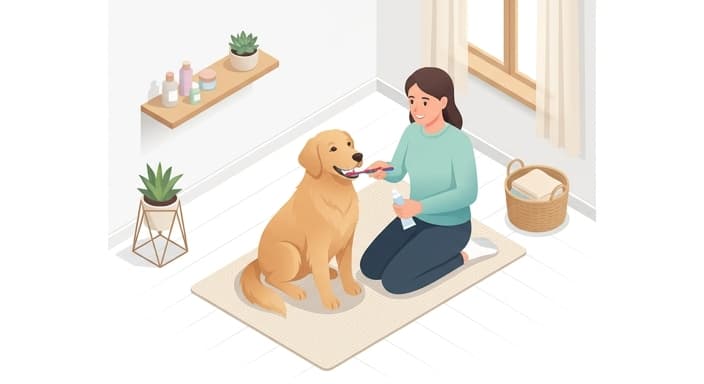
If non-anesthetic cleaning is a supplement, home dental care is the foundation. As a veterinarian, I tell my clients that the "gold standard" for home care is daily brushing. While this may sound daunting, it is a skill that can be developed with patience, the right tools, and a high-value incentive.
Start by introducing a pet-safe, enzymatic toothpaste—never use human toothpaste, as ingredients like xylitol are toxic to pets. Begin by letting your pet lick a small amount off your finger so they associate the taste with a positive experience. Over the course of several weeks, gradually introduce a soft-bristled brush or a finger brush.
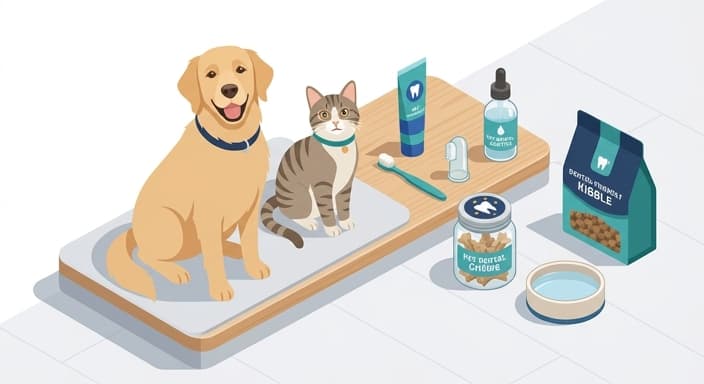
Beyond brushing, consider the environment of the mouth. Water additives, dental chews approved by the Veterinary Oral Health Council (VOHC), and specialized dental diets can all help reduce the rate of tartar accumulation. These tools work by physically scrubbing the teeth or chemically inhibiting the calcification of plaque. Consistency is the secret ingredient here; even three minutes of effort a few times a week can significantly delay the progression of dental disease.
Determining Candidacy: Who Benefits from Non-Anesthetic Care?
Not every pet is a candidate for non-anesthetic dental procedures. The success of an awake cleaning depends heavily on a pet's temperament. If a dog or cat is fearful, anxious, or aggressive when handled, attempting an awake cleaning can cause significant psychological stress and increase the risk of injury to both the pet and the technician.
Generally, the ideal candidate for NAD is a pet that is already accustomed to handling, has mild, superficial tartar accumulation, and has been cleared by their primary veterinarian to ensure there are no underlying infections or loose teeth that would make the process painful. If your pet has red, bleeding gums or visible recession, they likely require a diagnostic workup under anesthesia rather than a cosmetic cleaning. Always have a candid conversation with your vet about your pet’s specific dental history before booking an awake cleaning session; a professional assessment of their oral health status is non-negotiable.
Choosing the Right Provider: Safety and Standards
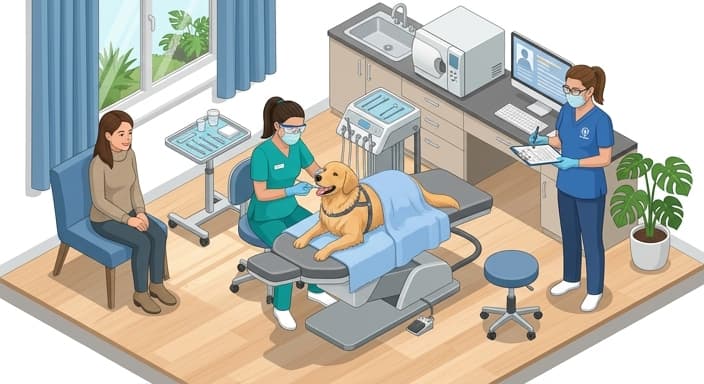
If you decide to pursue non-anesthetic dental services, the quality and training of the provider are paramount. Look for providers who work under the direct supervision of a licensed veterinarian. A reputable service will require a recent health check from your regular vet and will be transparent about their limitations.
Ask questions before you book: What is the training of the individual performing the cleaning? How do they handle a pet that becomes fearful? What protocols are in place if they discover a cracked tooth or a deep pocket during the procedure? A trustworthy provider will never promise to "cure" bad breath or periodontal disease, and they will always prioritize your pet’s comfort over the speed of the service. If a facility refuses to let you see their process or makes medical claims that sound too good to be true, it is best to look elsewhere.
Integrating Dental Wellness into Your Holistic Strategy
Integrating non-anesthetic dental care into your pet’s routine is not about replacing professional veterinary care, but rather about building a comprehensive "dental safety net." By combining regular, at-home oral hygiene habits, periodic non-anesthetic maintenance cleanings, and thorough annual veterinary check-ups, you are taking a proactive stance against one of the most pervasive health threats our pets face.
Remember, the goal is not perfection, but progress. Every time you brush your pet’s teeth or schedule a professional exam, you are contributing to their longevity, comfort, and vitality. Our pets give us their unconditional love, and by prioritizing their oral health, we are doing our part to ensure they can enjoy every meal, every treat, and every happy bark or purr for years to come.
Common Questions
🤔
Frequently Asked Questions
What is non-anesthetic dental care and what can it—and cannot—do for my pet?▼
Non-anesthetic dental care, or awake cleaning, involves removing plaque and tartar from visible tooth surfaces without anesthesia. It can improve the appearance and help with surface debris between professional visits, but it is not a substitute for a full veterinary dental cleaning performed under anesthesia. NAD does not address subgingival plaque, periodontal pockets, or problems beneath the gumline, nor does it allow for dental X-rays or a full mouth evaluation. For pets with existing periodontal disease, NAD alone is insufficient.
When should NAD be considered as part of a pet's dental routine?▼
NAD can be a helpful supplement between professional cleanings to maintain surface cleanliness and appearance. It may be appropriate for pets with minimal, cosmetic concerns or during intervals when a full anesthesia dental is not feasible. However, NAD should never replace a comprehensive veterinary dental examination and treatment when disease is suspected or present. Always consult your veterinarian to determine the best plan for your individual pet.
What does a full veterinary dental cleaning involve, and why is it more comprehensive?▼
A full veterinary dental cleaning is performed under anesthesia and includes a full-mouth evaluation, subgingival scaling, dental radiographs, and probing of periodontal pockets. This approach allows the clinician to assess unseen areas beneath the gums, detect early disease, and treat problems that NAD cannot reach. It is essential for pets with periodontal disease or advanced dental health concerns. Non-anesthetic cleanings cannot replace these diagnostic and therapeutic steps.
What role do daily home care and VOHC-approved products play in maintaining dental health?▼
Daily brushing with a pet-safe enzymatic toothpaste is the foundation of home dental care and can significantly slow tartar buildup. Avoid using human toothpaste due to toxic ingredients such as xylitol and instead use appropriate tools like soft-bristled brushes. VOHC-approved dental chews, water additives, and specialized dental diets can support oral health, but they work best when used consistently and in conjunction with regular veterinary care. The goal is to make daily care a routine part of your pet’s life.