Blog5/24/2026
Microbiome Testing for Pet Gut Health: Precision Wellness
6 mins Read
The Briefing
Quick takeaways for the curious
Microbiome testing shifts pet gut health care from symptom management to data informed, targeted interventions that address root causes of chronic issues.
A dysbiotic gut affects more than digestion, influencing immune function, inflammation, and even behavior via the gut brain axis.
Traditional diagnostics are good for ruling out parasites and organ disease, but sequencing based microbiome tests reveal microbial diversity, pathogen load, and functional capacity.
High microbial diversity generally indicates a robust gut and immune health, while imbalances can explain persistent symptoms and nutrient uptake problems.
Precision gut wellness uses microbiome data to tailor nutrition, prebiotics, and dietary strategies rather than relying on limited ingredient diets or guesswork.
There is a pervasive misconception among many pet owners that gastrointestinal distress is merely a temporary nuisance to be managed with bland diets or short-term medication, often overlooking the biological reality that the gut microbiome is the silent engine room of a pet’s entire systemic health. As a veterinarian consultant, I frequently see owners who treat chronic diarrhea, skin sensitivities, or lethargy as isolated symptoms, failing to realize that these issues are often the clinical manifestation of a dysbiotic gut—an imbalanced ecosystem of trillions of bacteria, fungi, and viruses that dictate everything from nutrient absorption to immune system modulation.
We are moving away from the outdated notion that digestive health is a guessing game solved only through trial-and-error changes to kibble brands, and toward a comprehensive understanding of "precision gut wellness," where microbiome testing serves as the diagnostic compass for long-term vitality. True wellness for a companion animal is not just about firm stools or an empty bowl; it is about recognizing that the microbial diversity within their digestive tract is the foundation of their longevity, and that understanding this internal landscape is one of the most impactful ways to align our clinical care with the unique biological requirements of our pets.
The Microbiome Myth: Why "Sensitive Stomach" is Often a Label, Not a Diagnosis
The most dangerous myth in modern pet care is that a pet’s chronic digestive sensitivity is simply "how they are built." In reality, when we label a dog or cat as having a "sensitive stomach," we are often ignoring the underlying microbial imbalance that is preventing them from thriving. The gut microbiome is a complex, delicate community that functions much like a rainforest; if the diversity of the species within that forest declines, the entire ecosystem becomes vulnerable to pathogens, inflammation, and metabolic dysfunction.
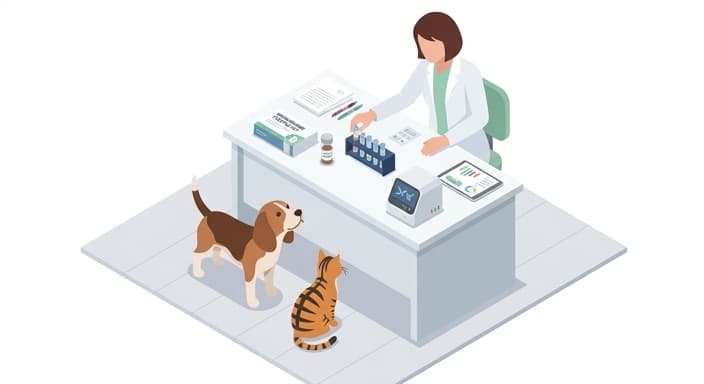
When I recommend microbiome testing, it is because I want to look past the symptoms and examine the actual inhabitants of the gut. Conventional veterinary diagnostics—like blood panels or fecal floats—are excellent at ruling out parasites or systemic organ failure, but they tell us almost nothing about the functional health of the gut. Microbiome sequencing allows us to quantify the ratio of beneficial bacteria to harmful ones, identifying specific strains that may be missing or overabundant. By shifting our focus from symptom management to microbial restoration, we can address the root cause of issues ranging from chronic inflammation to behavioral shifts linked to the gut-brain axis.
Decoding the Data: How Testing Actually Works
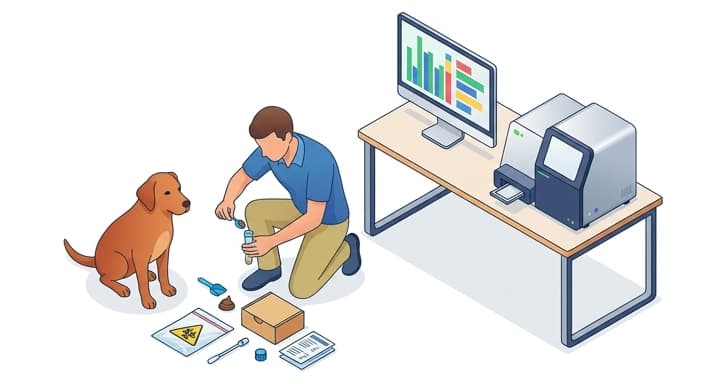
Many pet parents feel intimidated by the idea of genomic sequencing, imagining it to be a complex, invasive procedure. In truth, modern microbiome testing is remarkably accessible and non-invasive, requiring nothing more than a small, fresh stool sample collected in the comfort of your own home. Once the sample reaches the laboratory, scientists utilize 16S rRNA gene sequencing to categorize the bacterial populations present, providing a comprehensive report that maps out the "microbial fingerprint" of your pet.
As a veterinarian, I look at these reports to evaluate three primary pillars of gut health: microbial diversity, pathogen load, and fiber-fermenting capacity. A high diversity score is generally indicative of a robust immune system, while an abundance of specific harmful bacteria can explain why a pet might be struggling with persistent soft stools or poor nutrient uptake. This data transforms the way we approach nutrition; instead of switching to a "limited ingredient diet" based on a hunch, we can make data-driven decisions. For example, if a report indicates a low population of butyrate-producing bacteria—which are essential for colon health—I can recommend specific prebiotics or dietary fibers that act as "fuel" for those beneficial microbes, effectively rewilding the gut from the inside out.
The Gut-Brain Axis and Behavioral Wellness
One of the most exciting frontiers in veterinary medicine is the realization that the gut microbiome influences a pet’s behavior, temperament, and stress response. We call this the "gut-brain axis," a bidirectional communication network that connects the enteric nervous system in the gut with the central nervous system in the brain. If your pet is struggling with anxiety, reactivity, or unexplained restlessness, there is a distinct possibility that their gut flora is sending distress signals to their brain.
I have worked with many owners who were surprised to find that a targeted probiotic protocol, guided by microbiome testing results, led to a decrease in their pet's anxiety levels. When the gut is inflamed, the body releases inflammatory cytokines that can cross the blood-brain barrier, potentially disrupting serotonin production and regulation—a chemical crucial for mood stabilization. By optimizing the microbiome, we are not just helping a dog digest their dinner; we are potentially calming their nervous system and improving their overall quality of life. It is a powerful reminder that our pets are holistic beings, and that their mental and physical health are inextricably linked to the trillions of microorganisms they host.
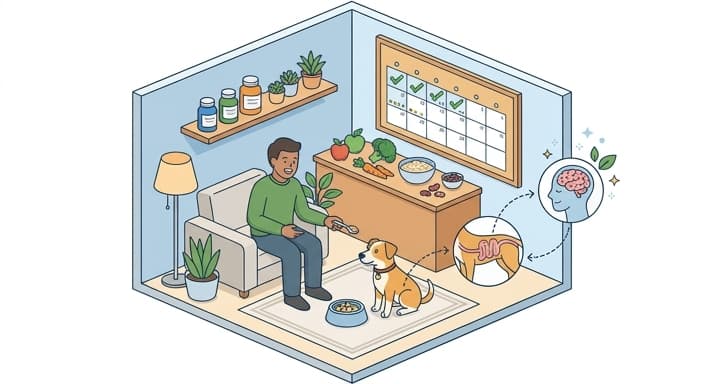
Implementing Changes: From Results to Restoration
Once you have the results of a microbiome test in hand, the real work of transformation begins. However, it is vital to remember that the gut is not a machine you can "fix" overnight; it is a living ecosystem that requires patience and consistency. The most common pitfall I see is owners who cycle through too many supplements too quickly, causing further agitation to the gut lining. Restoration is a marathon, not a sprint.
When we identify an imbalance, the strategy usually follows a three-step protocol: rebalance, nourish, and sustain. First, we may use targeted probiotics or postbiotics to introduce beneficial strains that are lacking. Second, we focus on "prebiotic" nutrition—the specific types of fiber that feed the good bacteria. This is where high-quality, whole-food additions like steamed pumpkin, cooked carrots, or specific medicinal mushrooms can make a world of difference. Finally, we focus on sustainability. This means minimizing the use of unnecessary antibiotics—which can act like a forest fire on the gut microbiome—and ensuring that environmental stressors are managed. If a pet must take antibiotics for an infection, we now have the data to support a "re-seeding" strategy afterward, ensuring the gut doesn't stay in a state of post-antibiotic dysbiosis.
Empowering the Conscious Pet Parent
The journey toward microbiome health is ultimately a journey of empowerment. By choosing to look deeper into your pet’s biological makeup, you are moving away from the reactive "wait and see" approach that has defined pet ownership for too long and moving toward a proactive model of stewardship. You are no longer just a pet owner; you are the guardian of a vast, microscopic ecosystem that works tirelessly to keep your companion healthy, happy, and vibrant.
If your pet is showing signs of digestive irregularity, chronic skin issues, or unexplained behavioral changes, I encourage you to consult with your veterinarian about microbiome testing. It is a simple tool that provides profound clarity, allowing us to build a customized wellness plan that respects the individuality of your pet’s biology. Remember, the healthiest pets are those whose internal systems are in harmony; by nurturing their microbiome, you are giving them the best possible chance at a long, comfortable, and energetic life by your side.
Common Questions
🤔
Frequently Asked Questions
What is microbiome testing and how does it work?▼
Microbiome testing analyzes the gut microbial community from a stool sample using sequencing methods such as 16S rRNA. The lab returns a report that outlines microbial diversity, potential pathogens, and the capacity to ferment fiber. Veterinarians use this data to assess gut function beyond what standard blood work or fecal tests show. This helps guide targeted nutrition and therapy rather than relying on guesswork.
How can microbiome data change feeding and supplementation decisions?▼
By identifying which beneficial microbes are missing or overrepresented, vets can tailor prebiotic fibers and dietary components to support those microbes. The data informs which protein sources, fiber types, or novel ingredients may support butyrate producers and overall colon health. It also helps avoid unnecessary dietary changes driven by trends, since recommendations are based on each pet's microbial profile.
Should all pets get microbiome testing?▼
Not every case requires it, but testing is valuable for pets with chronic digestion issues, skin sensitivities tied to gut health, or behavioral changes linked to the gut-brain axis. It provides actionable data when traditional diagnostics are inconclusive or only partially explanatory. The cost and access are factors, but for persistent problems the information can change treatment and nutrition decisions.
What are limitations and how should results be interpreted with a veterinarian?▼
Microbiome tests provide a snapshot of the current gut community and do not by themselves diagnose disease. Data must be interpreted in the clinical context and alongside other tests, symptoms, and history. Sequencing results can show associations rather than proven causes, so treatment plans should be collaborative with a veterinarian. Consider timing of sampling and lab variability, and use results to inform but not dictate care.