Blog5/8/2026
Indoor Enrichment Games for High-Energy Dogs: Mind & Body
6 mins Read
The Briefing
Quick takeaways for the curious
Indoor enrichment, not just long walks, is key to fulfilling high-energy dogs' mental and physical needs.
Canine enrichment engages natural drives like scavenging and problem-solving, triggering calm, lasting benefits.
Scent work and scavenger hunts are accessible entry points that lower heart rate and increase focus.
Replacing at least one meal a day with foraging-based activities honors ancestral needs and reduces anxiety.
Gradually add cognitive puzzles and escalating challenges to build confidence while avoiding frustration.
There is a pervasive misconception among pet owners that a well-behaved, calm dog is simply a product of good breeding or strict training, often overlooking the biological reality that our canine companions are hardwired for purpose, movement, and cognitive engagement. As a veterinarian consultant, I frequently encounter high-energy dogs labeled as "problem children" or "hyperactive," when in truth, these animals are simply suffering from a deficit of mental and physical stimulation that their domestic environments fail to satisfy.
We are moving away from the outdated notion that a long walk is the only cure for a restless dog, and toward a more comprehensive understanding of canine enrichment. True wellness for a high-energy breed is not just about tiring out their muscles, but about exhausting their brains; when we provide the right outlets for their natural instincts—such as scavenging, problem-solving, and scent work—we see an immediate, profound shift in their behavior and overall quality of life.
The Science of Canine Enrichment: More Than Just "Tiring Them Out"
To understand why indoor enrichment is vital, we must look at the canine brain. Dogs are cognitive, social scavengers. In the wild, their ancestors spent the majority of their waking hours foraging, hunting, and navigating complex social landscapes. In our modern homes, we have effectively removed every obstacle, providing food in a bowl and safety behind four walls. While this ensures their physical comfort, it often leads to "behavioral stagnation."
When a dog’s natural drive to work goes unfulfilled, that energy must find an outlet. This is why we see destruction of property, excessive barking, and repetitive pacing. Enrichment functions as a biological reset button. By engaging a dog in structured mental tasks, we trigger the release of dopamine and serotonin, neurotransmitters that promote calm and satisfaction. I often tell my clients that fifteen minutes of intense, nose-focused scent work can be more physically and mentally draining for a dog than an hour of aimless walking. It is about quality of engagement over quantity of exertion.
The Art of the Indoor Scavenger Hunt
The most accessible and effective way to begin your enrichment journey is by tapping into your dog’s most powerful sense: their olfaction. A dog’s olfactory bulb is roughly forty times larger than ours, relative to brain size, and scent work is the single most effective way to lower a dog's heart rate and encourage focused, calm behavior.
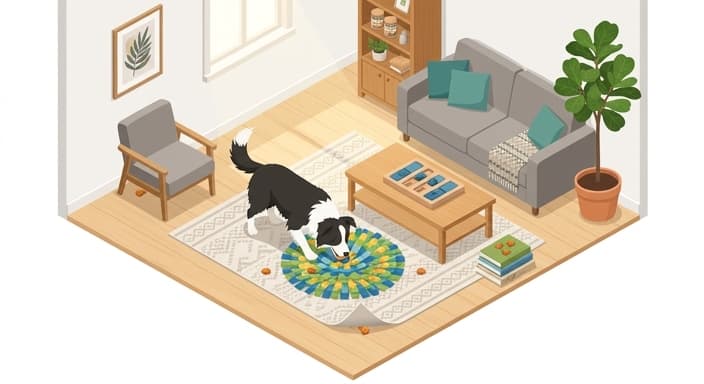
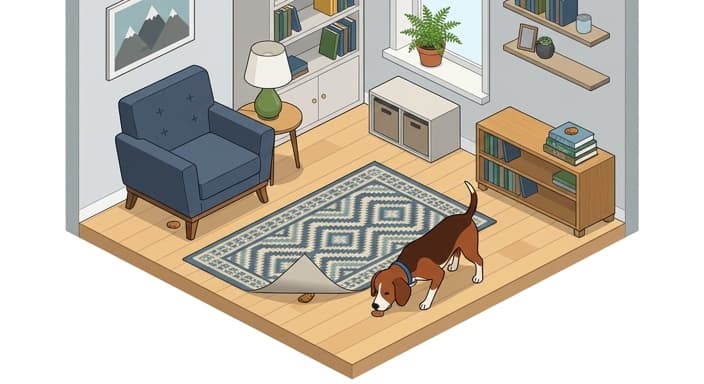
You don't need expensive equipment to turn your living room into a scent-detection arena. Start with a "Find It" game. While your dog is in a stay or wait position, place high-value, aromatic treats in various spots around the room—behind a chair leg, under a rug corner, or on top of a low book stack. Release them with a command like "find it" and encourage them to use their nose to hunt.
If you want to level up, introduce a "snuffle mat" or a DIY puzzle. A snuffle mat mimics the density of grass, forcing the dog to slow down and use their nose to "forage" for kibble. For high-energy dogs, I recommend replacing the food bowl entirely with these tools for at least one meal a day. By making them work for their calories, you are honoring their ancestral need to scavenge, which naturally lowers their anxiety levels and promotes a sense of accomplishment.
Cognitive Challenges and Problem-Solving Toys
If scent work is the foundation of enrichment, cognitive problem-solving is the structure that builds confidence. Dogs that are encouraged to think independently are generally less reactive and more resilient to stressors. The goal here is to provide a "problem" that is difficult enough to challenge them, but solvable enough to prevent frustration.
I suggest investing in interactive puzzle toys that require a sequence of movements—such as sliding a panel, lifting a lid, or rotating a disk—to release a reward. When starting, choose puzzles with a low difficulty rating to ensure your dog understands the mechanics. Once they master these, you can graduate to more complex, multi-stage puzzles.
Beyond store-bought toys, you can utilize everyday items to build a "DIY obstacle course." Use cardboard boxes as tunnels, pillows as balance platforms, or masking tape to create a "barrier" they have to navigate around. The key here is not the complexity of the course, but your active participation. When you guide them through a new task, you are strengthening your bond and providing the social feedback that high-energy dogs crave. A dog that is constantly learning is a dog that is rarely bored.
The Role of "Destruction Therapy" and Chewing
We often view chewing as a behavioral vice, but from a veterinary perspective, it is a vital, self-soothing behavior. Chewing releases endorphins, which act as natural mood stabilizers for our pets. For a high-energy dog, a lack of appropriate chewing outlets often results in the destruction of your favorite sneakers or the living room carpet.
The secret is to provide "approved" outlets that are both durable and engaging. I am a major proponent of the "frozen stuffed toy" method. Take a hollow, rubber-based toy and stuff it with a mixture of wet food, plain Greek yogurt, or even pureed pumpkin, then freeze it for several hours. This turns a simple snack into a twenty-minute project that requires focused licking and chewing.
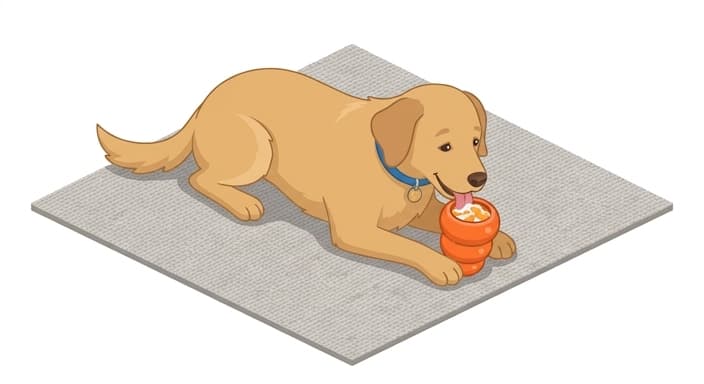
Licking, specifically, is a calming behavior that helps lower a dog's blood pressure and heart rate. If your dog is prone to evening "zoomies," giving them a frozen enrichment toy about an hour before their peak energy time can significantly mitigate that frantic, high-arousal behavior. Remember, however, that safety is paramount. Always monitor your pet when introducing new toys, especially if they are aggressive chewers, to ensure they aren't ingesting pieces of rubber or fabric.
Building a Consistent Enrichment Routine
Consistency is the final piece of the puzzle. Enrichment should not be a "sometimes" activity; it should be integrated into the daily rhythm of your home. A high-energy dog thrives on predictability. By scheduling their mental "workouts" at the same time each day—perhaps during your own work-from-home hours or just before you leave the house—you are teaching your dog how to settle and manage their own arousal levels.
Start by auditing your dog’s day. If they have three hours of unstructured time, dedicate thirty minutes of that to active enrichment. Mix it up: Monday might be a scent-heavy scavenger hunt, Tuesday could be a puzzle-solving session, and Wednesday might focus on training new, complex tricks. The goal is to keep the brain engaged and the expectations varied.
As a veterinarian, I have seen many dogs transition from "unmanageable" to "well-adjusted" simply by shifting the focus from physical exhaustion to mental fulfillment. Enrichment is not just about keeping your dog busy; it is about providing them with a life that satisfies their deepest, most ancient instincts. By investing this time into their mental well-being, you aren't just saving your furniture—you are fostering a deeper, more peaceful, and more rewarding relationship with your companion. Start small, stay patient, and remember that for a high-energy dog, a tired brain is truly the best kind of tired.
Common Questions
🤔
Frequently Asked Questions
What is indoor enrichment and why is it important for high-energy dogs?▼
Indoor enrichment pairs mental and physical activities to meet a high-energy dog’s needs beyond a daily walk. It taps into natural drives like foraging and problem-solving, which can reduce boredom-driven behaviors and improve overall mood. Scent work, puzzle toys, and structured games trigger dopamine and serotonin, promoting calm and focus. Start with simple tasks and gradually increase difficulty to avoid frustration.
How do I start a scent-based scavenger hunt at home?▼
To start a scent-based scavenger hunt, have your dog in a stay or wait, then hide high-value treats around the room in accessible places. Use a command like 'find it' to cue nosework, and reward with enthusiastic praise when they succeed. Begin with obvious locations and slowly increase challenge by hiding treats under objects or in different rooms. A snuffle mat or DIY puzzle can compound the effect by forcing your dog to slow down and search with their nose.
What are good beginner cognitive puzzles or toys for high-energy dogs?▼
Begin with beginner-friendly interactive puzzle toys that require a small sequence of actions to reveal a treat. Look for toys that involve sliding panels, lifting lids, or rotating discs and choose ones that match your dog’s skill level. Ensure the tasks are challenging but solvable to avoid frustration; adjust difficulty gradually as your dog gains confidence. Rotate toys to maintain interest and prevent boredom.
How much time should I dedicate to enrichment daily, and should it replace exercise?▼
Enrichment should be part of a balanced routine rather than a complete replacement for exercise. Aim for 15 to 30 minutes of focused enrichment per day, integrated with regular physical activity. Some dogs benefit from having one meal replaced by scent work or puzzle feeding to satisfy their hunting instincts. Monitor your dog's response and adjust the mix of mental and physical outlets to support mood, behavior, and energy levels.