Blog5/11/2026
Indoor Cat Enrichment for Wellness: Engaging Activities
6 mins Read

The Briefing
Quick takeaways for the curious
Indoor cats are natural predators who require ongoing mental and physical engagement to stay healthy, and enrichment helps prevent boredom-related illnesses.
Replacing a stationary bowl with puzzle feeders, slow feeders, and treasure-hunt feeding mimics natural hunting rhythms, stabilizes blood glucose, and reduces destructive zoomies.
Vertical space creates a three-dimensional catscape that gives cats a sense of security, lowers cortisol, and improves behavior in multi-cat households.
A cat superhighway of wall shelves and window perches expands usable space, supports safe movement, and provides retreat routes to reduce social tension.
Relying solely on laser pointers can lead to frustration; a balanced enrichment plan should include tactile, scent, and interactive elements to satisfy hunting instincts.
There is a pervasive misconception among modern cat owners that an indoor lifestyle is synonymous with a sedentary one, often overlooking the biological reality that the domestic cat (Felis catus) is a highly skilled, crepuscular predator hardwired for complex hunting sequences, territorial patrolling, and intense mental engagement. As a veterinarian consultant, I frequently see cats presenting with "boredom-induced pathologies"—ranging from chronic feline interstitial cystitis and over-grooming to obesity and behavioral aggression—and I have found that the most significant advancement in feline preventative care is the intentional shift toward proactive environmental enrichment.
We are moving away from the outdated notion that a cat’s world is complete with a bowl of kibble and a sunny windowsill, and toward a more comprehensive understanding of "environmental complexity" as a non-negotiable pillar of clinical health. True wellness for an indoor cat is not just about preventing physical ailments; it is about providing the tools that allow them to express their innate feline instincts, ensuring their psychological landscape is as vibrant and challenging as the natural world they evolved to conquer.
The Anatomy of the Hunt: Why "Bowl Feeding" Is Obsolete
To understand why environmental enrichment is a veterinary imperative, we must first examine the feline feeding cycle. In the wild, a cat’s day is punctuated by multiple short hunting events—stalking, chasing, pouncing, and killing—which satisfy their high metabolic and intellectual demands. When we provide food in a stationary bowl, we truncate this entire behavioral sequence, leaving the cat with a surplus of energy and a lack of purpose. This "behavioral vacuum" is the primary catalyst for the stress-related illnesses I treat in my clinic.
Transitioning to puzzle feeders, slow-feeders, and "treasure hunt" feeding methods forces the cat to engage their problem-solving skills and sensory acuity. By requiring a cat to "work" for their calories, we mimic the natural rhythms of their ancestors, which stabilizes their blood glucose levels and prevents the frantic "zoomies" that often result in household destruction. From a physiological standpoint, this approach increases muscle tone, improves gut motility, and provides a necessary sense of agency that reduces generalized anxiety.
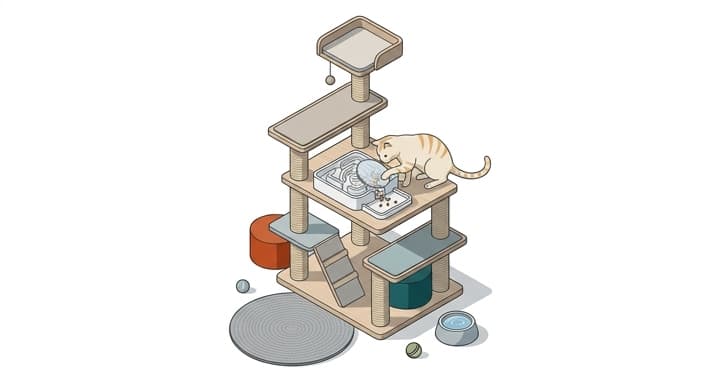
Verticality and Territorial Security: The Three-Dimensional Home
A common mistake owners make is evaluating their home from a human perspective—focusing on floor space rather than the three-dimensional "catscape." Cats are arboreal by nature; they derive a profound sense of security from being elevated, where they can survey their territory from a position of advantage. If your cat is acting out, it is often because they lack the ability to retreat to a high vantage point to decompress.
I always advise clients to implement a "cat superhighway" system. This doesn't require expensive, carpeted cat trees; it can be achieved through wall-mounted shelves, cleared-off bookshelves, or even sturdy window perches. The goal is to create a circuit that allows the cat to navigate an entire room without touching the floor. When a cat has the ability to observe their environment from a height, their cortisol levels drop significantly. This sense of control is essential for multi-cat households where "territorial tension" is common. Vertical space effectively increases the square footage of the home, reducing the density of social interactions and giving introverted cats a necessary "escape hatch."
Sensory Stimulation: Beyond the Laser Pointer
Many owners rely on laser pointers for exercise, but as a veterinarian, I urge caution. The laser pointer is a "frustration machine"—it provides the visual stimulation of prey without the tactile satisfaction of the "capture." This can lead to obsessive-compulsive behaviors in sensitive cats because the hunting cycle is never successfully completed. Instead, we should prioritize enrichment that engages all five senses: smell, sight, sound, and touch.
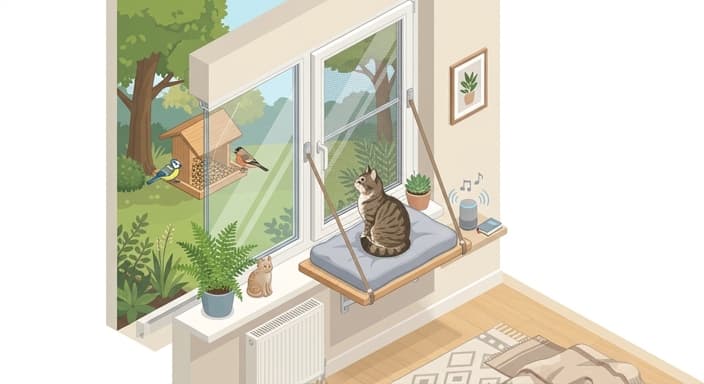
Scent enrichment is a vastly underutilized tool. Introducing non-toxic herbs like silver vine or valerian root (alternated with catnip) provides novel olfactory experiences that keep the feline brain plastic and engaged. For visual stimulation, "cat TV"—bird feeders placed outside a secure window—provides hours of low-stress, high-engagement activity. Even simple auditory enrichment, such as playing classical music or nature sounds at a low volume when you are away, can mask the startling noises of a busy neighborhood, helping to dampen the "startle response" that keeps indoor cats in a constant state of low-grade alert.
The Role of Consistent Interactive Play
While independent toys are useful, nothing replaces the bond and physiological benefit of interactive play with a human. The most effective strategy is the "Hunt-Catch-Kill-Eat-Groom-Sleep" sequence. By initiating a play session with a wand toy that mimics the erratic, unpredictable movement of a bird or rodent, you allow your cat to burn off predatory energy in a controlled, safe environment.
The key here is the "catch." Never end a play session while the cat is still high-arousal. Allow them to "kill" the toy, then immediately offer a meal or a high-value treat. This mimics the successful conclusion of a hunt, triggering the release of serotonin and endorphins that lead to the "groom-and-sleep" phase. This is the physiological "reset button" for your cat’s nervous system. If you implement just one change, let it be this: replace 15 minutes of aimless petting with 15 minutes of structured, prey-mimicking play before dinner. The shift in your cat’s temperament—from reactive or lethargic to calm and confident—will be immediate and profound.
Implementing Environmental Changes Without the Overwhelm
It is easy to feel intimidated by the idea of "catifying" a home, but enrichment does not need to be expensive or aesthetically jarring. The most successful enrichment programs I see in my practice are those that utilize recycled materials. A cardboard box with holes cut into it, a paper bag (with handles removed for safety), or an egg carton used as a food puzzle are just as engaging to a cat as a high-end designer toy.
The true secret to wellness is variability. Cats thrive on novelty but require stability. I suggest a "toy rotation" system: keep the majority of your cat’s toys in a closed bin, and swap them out every few days. This simple act keeps the toys "fresh" and prevents the boredom that comes from constant exposure to the same static objects. Remember, your cat’s environment is their entire world. By providing them with the opportunity to forage, climb, hunt, and rest in safe, varied spaces, you are doing more than just entertaining them; you are actively preventing the chronic health issues that stem from a life lived in a behavioral vacuum.
By shifting our focus from merely providing for a cat’s physical survival to nurturing their complex psychological needs, we unlock a higher tier of feline vitality. The effort you invest in creating a dynamic, enriching home will be rewarded with a cat who is not only healthier and more resilient but also deeply bonded to you as their primary partner in play and safety.
Common Questions
🤔
Frequently Asked Questions
What is environmental enrichment and why is it essential for indoor cats?▼
Environmental enrichment refers to activities, structures, and stimuli that challenge a cat's senses and instincts. For indoor cats, it is essential because it helps mimic the complexity of the natural environment, reducing boredom and stress. A well enriched home supports physical health, prevents obesity and stress-related illnesses, and promotes calm, confident behavior.
How can I implement feeding enrichment without turning feeding into a stressful activity?▼
Start with puzzle feeders and slow feeders to require problem solving. Hide some treats in safe locations for a treasure hunt that engages scent and paws. Introduce feeding sessions that are brief and positive, and rotate methods to keep things interesting. These strategies mimic natural foraging and help stabilize blood sugar while reducing frantic energy.
What design strategies create a vertical, three-dimensional home for cats?▼
Install wall mounted shelves, cat perches, and sturdy window perches to give elevated viewpoints. Create a cat superhighway that allows movement around rooms without touching the floor. Elevation reduces stress by letting cats observe and retreat from social tension, benefiting multi-cat households. Ensure climbing routes are safe and accessible to all cats, and rotate them to maintain interest.
Are laser pointers or other common toys harmful for exercise, and what alternatives work best?▼
Laser pointers can provide quick aerobic movement but may frustrate cats by never allowing a successful capture, which can fuel compulsive behaviors. For safer, satisfying exercise, pair laser play with toys that offer tactile feedback or containment, such as wand toys, teaser toys, or feathered toys that can be caught. Treat-dispensing puzzles and interactive play encourage the hunting sequence from stalking to capture. Variety and ending the session with a successful catch or reward helps prevent frustration.