Blog5/23/2026
Home Dental Care for Pets: Proactive Tips for Healthy Teeth
6 mins Read
The Briefing
Quick takeaways for the curious
Persistent bad breath in pets is a sign of periodontal disease and potential systemic impact, not just a nuisance.
Daily at-home dental care, rather than waiting for professional cleanings, can be the most impactful factor in extending your pet's life and quality of life.
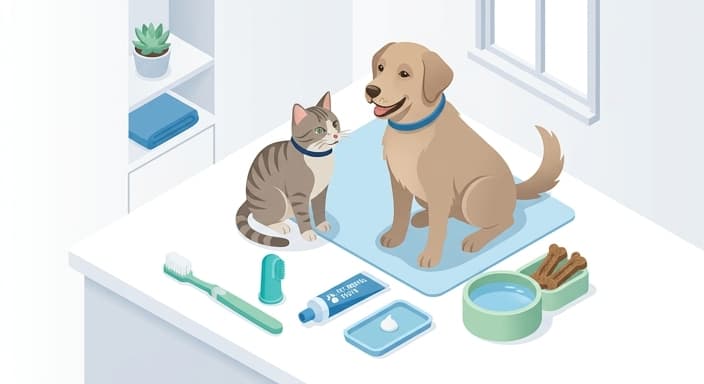
Use the right tools—soft-bristled toothbrush or silicone finger brush—and veterinary-approved toothpaste to safely disrupt plaque without harming the pet.
Do not use human toothpaste; avoid xylitol and fluoride; many toothpastes contain enzymatic agents to help break down plaque.
A low-stress, consistent routine of 30-60 seconds once daily is more effective than a long, forced session; gradually introduce tasting and brushing, focusing on the outer surfaces.
There is a pervasive misconception among many pet owners that dental disease is an inevitable, non-urgent consequence of aging, often overlooking the biological reality that the oral cavity is the primary gateway to systemic health and longevity. As a veterinarian consultant, I frequently see owners who view bad breath as a mere inconvenience, failing to realize that this "doggy breath" or "cat breath" is often the clinical manifestation of chronic inflammation, bacterial translocation, and a compromised immune system.
We are moving away from the outdated notion that professional cleanings are the only way to manage oral health, and toward a comprehensive understanding of "proactive dental hygiene," where our daily stewardship at home serves as the first line of defense against periodontal disease. True wellness for a companion animal is not just about keeping their teeth white; it is about recognizing that systemic health begins at the gumline and that consistent, at-home dental care is one of the most impactful ways to extend our pets' lives and enhance their quality of life.
The Periodontal Paradox: Why "Bad Breath" Isn’t Normal
The most dangerous myth in veterinary dentistry is that a pet’s breath should naturally smell foul. In reality, persistent halitosis is a hallmark of periodontal disease, a progressive condition characterized by the accumulation of plaque—a sticky, bacteria-laden film—that eventually hardens into tartar. Left unchecked, this bacteria migrates under the gumline, triggering an inflammatory response that destroys the periodontal ligament and bone supporting the teeth.
When we ignore "doggie breath," we are often ignoring a low-grade, chronic infection. Over time, these bacteria can enter the bloodstream through inflamed gum tissue, potentially impacting the heart, kidneys, and liver. By shifting our perspective to view the oral cavity as a barometer for total-body health, we empower ourselves to intervene before a simple cleaning turns into a complex oral surgery. Periodontal disease is largely preventable, but once the bone support is lost, it cannot be recovered. Therefore, the daily goal is not just aesthetic—it is a life-saving intervention.
The Mechanics of Mastery: Essential Tools for Home Care
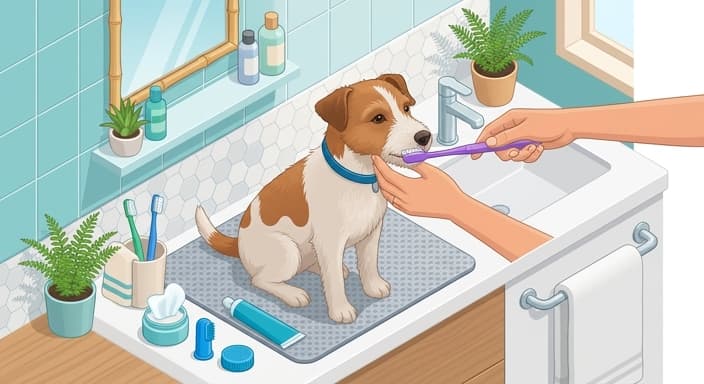
Many owners feel intimidated by the prospect of brushing their pet’s teeth, often because they try to treat the process like a human dental hygiene session. The reality is that pets do not need high-frequency, complex brushing; they need consistent mechanical disruption of plaque. The most important tool in your arsenal is a specialized, soft-bristled pet toothbrush or a silicone finger brush that allows for better tactile control.
Crucially, you must never use human toothpaste. Human products often contain xylitol (a sweetener that is highly toxic to dogs) or fluoride, which can cause significant gastrointestinal upset when swallowed. Veterinary-approved toothpaste is formulated to be safe for ingestion and often contains enzymatic agents that help break down plaque even in areas where the brush might miss. Start by introducing the paste as a "treat" to build positive association. Let your pet lick it from your finger or the brush before you ever attempt to touch their teeth. Once the flavor is established as a reward, you can begin the gentle process of lifting the lip and massaging the outer surfaces of the teeth. Remember: you are mostly focusing on the outside of the teeth, as the tongue naturally keeps the inner surfaces cleaner.
Implementing the "Low-Stress" Dental Routine
Consistency is far more important than intensity. If you try to force a ten-minute brushing session, you will likely create a negative association that makes future attempts nearly impossible. Instead, focus on a "less is more" approach. Aim for 30 to 60 seconds of gentle brushing, ideally at the same time each day, to establish a routine. Many pets respond best when this is paired with a high-value activity, like a walk or a favorite play session, so the dental routine becomes part of a positive lifestyle pattern rather than a source of conflict.
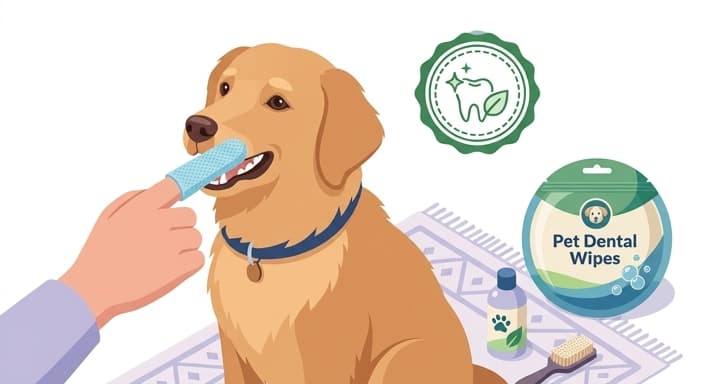
If your pet absolutely refuses a brush, do not despair. Dental wipes, which are textured pads you wrap around your finger, can be a highly effective alternative for removing plaque in the early stages. Additionally, look for the VOHC (Veterinary Oral Health Council) seal on all dental products. This stamp of approval indicates that the product has undergone rigorous clinical testing and has been proven to reduce plaque and tartar accumulation effectively.
Nutritional Support and the Role of Dental Chews
While mechanical brushing remains the gold standard, we can support oral health through thoughtful dietary choices. Not all "dental chews" are created equal; many are essentially calorie-dense treats with little to no clinical efficacy. When selecting chews, prioritize those that are designed to be "tough" enough to provide mechanical friction but safe enough to avoid tooth fractures. Avoid hard objects like cow hooves, antlers, or ice cubes, which are common culprits behind slab fractures in the carnassial teeth.
There are also specialized dental diets available through veterinary channels. These kibbles are formulated with a specific shape and texture that forces the pet to chew rather than swallow, effectively "scraping" the tooth surface as they eat. Integrating these into a balanced diet provides a passive layer of protection throughout the day. However, always treat these as a supplement to, not a replacement for, active home care. Think of them as the "floss" to your "brushing" routine.
Recognizing the Red Flags of Oral Pathology
Even with the most dedicated home care, some pets are genetically predisposed to dental disease. Certain breeds, particularly brachycephalic (flat-faced) dogs and small-breed dogs with crowded teeth, are more susceptible to rapid plaque buildup. As a consultant, I urge owners to perform a weekly "oral assessment" at home. This isn't a medical exam, but a quick check to monitor for changes.
Look for red or bleeding gums, especially along the gumline. Observe if your pet is dropping food, favoring one side of their mouth while chewing, or showing an uncharacteristic hesitation to play with hard toys. Excessive drooling or a sudden change in eating habits are also major red flags that warrant a veterinary visit. If you notice a loose tooth, a swelling under the eye (often a sign of a root abscess), or persistent bleeding, skip the home care and schedule a professional dental evaluation immediately. These are clinical issues that require professional imaging and treatment under anesthesia.
The Path Forward: Partnering with Your Veterinarian
Transitioning to a proactive home dental care plan is one of the most significant investments you can make in your pet’s future. It reduces the frequency and severity of professional cleanings under anesthesia, lowers the risk of systemic inflammation, and deepens the bond you share through consistent, gentle interaction.
Remember, the goal is not perfection, but progress. Even if you can only manage a few seconds of brushing every other day, you are making a tangible difference in your pet’s health. Work closely with your veterinary team to tailor a plan that fits your pet’s specific temperament and oral needs. By staying observant and staying consistent, you are ensuring that your companion’s health—and their smile—remains vibrant for years to come.
Common Questions
🤔
Frequently Asked Questions
Why is bad breath in pets a warning sign of dental disease?▼
Persistent halitosis is commonly the first sign of periodontal disease, reflecting plaque buildup, inflammation, and potential bone loss. If left untreated, the bacteria can spread under the gumline and even enter the bloodstream, possibly affecting the heart, kidneys, and liver. Viewing the mouth as a barometer for total-body health helps you intervene early to prevent more invasive procedures.
What home dental care tools are essential for pets?▼
The basics are a soft-bristled pet toothbrush or a silicone finger brush for better control, and veterinary-approved toothpaste designed for pets. Do not use human toothpaste, which can contain ingredients harmful to pets, especially xylitol and fluoride. Introduce the toothpaste as a treat to build positive association, then gently expose the outer tooth surfaces to brushing.
Why should you avoid using human toothpaste on pets, and what should you use instead?▼
Human toothpaste often contains xylitol and fluoride, which can cause gastrointestinal upset or be toxic to pets if swallowed. Pet-specific toothpaste is formulated to be safe for ingestion and usually contains enzymatic agents that help break down plaque. Always use veterinarian-approved dental products and avoid swallowing large amounts of toothpaste during brushing.
How can you establish a low-stress at-home dental routine?▼
Consistency matters more than the length of each session. Aim for 30-60 seconds of gentle brushing at roughly the same time every day to establish a routine. Avoid forcing a long session that creates a negative association; instead keep it brief, positive, and gradually build comfort. Start by lifting the lip and massaging the outer surfaces, using a reward-based approach to keep the experience positive.