Blog5/7/2026
Functional Mushroom Supplements for Pet Wellness: A Vet Guide
6 mins Read
The Briefing
Quick takeaways for the curious
Functional mushrooms offer a science-backed way to support the immune system, cognitive function, and inflammatory balance in pets, complementing quality nutrition and care.
Unlike culinary mushrooms, functional varieties contain bioactive compounds like beta-glucans, triterpenes, and polysaccharides that modulate the body's systems.
These mushrooms work systemically, including through the gut-associated lymphoid tissue, which houses about 70% of the immune system.
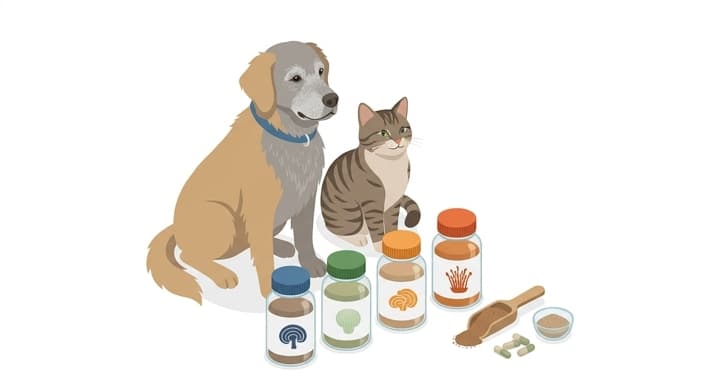
Common options include Lion's Mane for cognition, Turkey Tail for immunity in oncology, Reishi for stress and allergies, and Cordyceps for energy and respiration.
Because the supplement market is loosely regulated, choosing high-quality products with the correct mushroom content and minimal fillers is essential.
There is a persistent, outdated myth in the modern pet care community that the secret to a long, vibrant life for our companions lies solely in the quality of their kibble or the frequency of their walks. As a veterinarian consultant, I frequently speak with devoted pet parents who are searching for that "missing piece" to help their senior dog regain their spark or their anxious cat find a sense of calm, only to discover they have been overlooking the extraordinary, centuries-old potential of functional mushrooms. We are finally moving toward a more sophisticated, holistic standard of veterinary wellness that views mycotherapy—the use of medicinal mushrooms—not as a fringe "alternative" practice, but as a robust, science-backed approach to supporting the immune system, cognitive function, and inflammatory response in our beloved pets.
The Myco-Revolution: Understanding Functional Mushrooms vs. Culinary Varieties
To understand why functional mushrooms are gaining such traction in veterinary medicine, we must first distinguish between the mushrooms you might put in a salad and those categorized as "medicinal" or "functional." While common white button mushrooms offer basic nutrition, functional varieties—such as Reishi, Turkey Tail, Lion’s Mane, and Cordyceps—contain high concentrations of bioactive compounds like beta-glucans, triterpenes, and polysaccharides. These compounds act as biological response modifiers, meaning they help the body modulate its own systems rather than simply forcing a chemical change.
In my practice, I emphasize that these mushrooms work systemically. They don’t just target one organ; they interact with the gut-associated lymphoid tissue (GALT), which houses about 70% of the immune system. By supporting gut health and reducing systemic inflammation, functional mushrooms help the body return to homeostasis. It is essential, however, to remind clients that these are not "magic pills" but rather potent botanical tools that work best when integrated into a high-quality, balanced lifestyle.
Decoding the Powerhouse Fungi: Which Mushroom Does What?
Not all mushrooms are created equal, and knowing which one to choose depends entirely on your pet’s specific health goals. When I consult with pet parents, I usually categorize them by their primary therapeutic benefit:
- Lion’s Mane (Hericium erinaceus): Often called the "smart mushroom," this is my top recommendation for senior pets showing signs of cognitive decline, such as pacing at night or confusion. It contains hericenones and erinacines, which support the production of Nerve Growth Factor (NGF).
- Turkey Tail (Trametes versicolor): This is perhaps the most well-researched mushroom in veterinary oncology. It is rich in Polysaccharide K (PSK), which has been shown to support immune function, particularly in patients undergoing conventional cancer treatments.
- Reishi (Ganoderma lucidum): Known as the "mushroom of immortality," Reishi is my go-to for pets with environmental allergies or chronic stress. It acts as an adaptogen, helping the body regulate its inflammatory response and soothing an overactive nervous system.
- Cordyceps (Cordyceps militaris): If you have a high-energy dog, an agility competitor, or a pet recovering from surgery, Cordyceps is excellent for cellular energy production and respiratory support. It helps increase ATP production, the body’s primary energy currency.

Quality and Safety: Navigating the "Mushroom Minefield"
As a veterinarian, I must offer a strong word of caution: the supplement industry is loosely regulated, and not all mushroom powders are created equal. Many "mushroom" products on the market are actually composed mostly of starch or grain fillers—the growth medium—rather than the actual fruiting body of the mushroom. If you look at a label and see a high carbohydrate count, you are likely buying mycelium-on-grain, which has significantly lower concentrations of the therapeutic beta-glucans we are looking for.
When selecting a product for your pet, look for three things: "Fruiting Body" on the label, "Third-Party Testing" for heavy metals and mold, and a standardized "Beta-Glucan" percentage. If a company cannot tell you the percentage of beta-glucans in their extract, it is best to walk away. Furthermore, always ensure the product is specifically formulated for pets. Human supplements may contain xylitol, additives, or dosages that are unsafe for feline or canine physiology. Always start with a conservative dose and monitor your pet for any signs of gastrointestinal upset, such as loose stools or vomiting, which can occur when introducing any new supplement.
Integrating Mycotherapy into Your Pet’s Daily Routine
Consistency is the secret to success with functional mushrooms. Unlike a pharmaceutical drug that might provide an immediate effect, mushrooms work on a cumulative basis. I advise my clients to view these supplements as a long-term investment in their pet’s healthspan. Adding a mushroom tincture or powder to a meal is usually the easiest route, as most are flavorless or have an earthy taste that dogs, in particular, seem to enjoy.
For cats, who can be notoriously picky, I recommend using a high-quality liquid extract mixed into a small amount of wet food or a "churu-style" treat. If your pet is currently on medication—especially immunosuppressants, blood thinners, or insulin—you must consult your veterinarian before starting a mushroom regimen. While rare, there can be interactions between potent herbal supplements and pharmaceuticals, and your vet needs to be aware of every variable in your pet’s wellness plan to ensure their safety.

The Future of Veterinary Care: A Holistic Perspective
We are at an exciting juncture in veterinary medicine where the rigid boundary between "natural" and "clinical" is finally starting to blur. By incorporating functional mushrooms, we aren’t just treating symptoms; we are providing our pets with the foundational support they need to thrive in an increasingly stressful, high-toxin world. Whether you are looking to bolster your dog’s immune system through the winter months, improve your cat’s digestive comfort, or provide your aging companion with the cognitive clarity they deserve, the fungi kingdom offers a vast, untapped pharmacy.
The best approach is always a partnership. Talk to your holistic or integrative veterinarian about which mushrooms fit your pet’s current health profile. Keep a "wellness journal" to track changes in your pet’s behavior, energy levels, and coat quality over the first 60 days of supplementation. You will likely find that as you provide their body with these dense, ancestral nutrients, the "spark" you were looking for begins to return, not because of a miracle, but because you’ve empowered their body to heal itself from the inside out.
Ultimately, your journey with functional mushrooms is about more than just a supplement; it is about honoring the complexity of your pet’s biology. By choosing to incorporate these ancient, potent allies into their daily diet, you are choosing a path of proactive care that prioritizes long-term vitality over short-term fixes. As you embark on this myco-journey, remember that every pet is an individual, and the most effective health protocols are those tailored to their unique rhythm, age, and needs. With a discerning eye for quality and the guidance of your veterinary team, you can unlock a new level of wellness that keeps your companion by your side, thriving and happy, for years to come.
Common Questions
🤔
Frequently Asked Questions
What are functional mushrooms and how do they differ from culinary varieties?▼
Functional mushrooms refer to medicinal varieties that contain bioactive compounds such as beta-glucans, triterpenes, and polysaccharides. These compounds act as biological response modifiers, supporting the body's systems rather than forcing a single chemical change. They work systemically, including through the gut-associated lymphoid tissue, and are most effective when combined with a balanced lifestyle. They are tools to support wellness, not magical cures.
Which mushrooms are highlighted and what benefits do they offer?▼
Medicinal mushrooms commonly discussed for pets include Lion's Mane, Turkey Tail, Reishi, and Cordyceps. Lion's Mane contains hericenones and erinacines that support nerve growth factor production and cognitive health. Turkey Tail is rich in polysaccharide-K (PSK) and has strong research for immune support in oncology settings. Reishi acts as an adaptogen to regulate inflammation and stress, while Cordyceps supports energy production and respiratory function.
What should pet owners consider when selecting a mushroom supplement?▼
Quality and labeling matter because many products are filler-heavy and do not deliver the intended bioactive compounds. Avoid supplements that are primarily mycelium-on-grain and look for products that list fruiting bodies and standardized extracts. Choose brands with transparency, veterinary backing, and evidence-based dosing guidelines for your pet's species, age, and health. Always start with a low dose and monitor your pet's response under guidance from a veterinarian.
How should functional mushrooms be integrated into a pet wellness plan?▼
Functional mushrooms are best used as part of a broader, holistic wellness strategy rather than a stand-alone treatment. They should complement high-quality nutrition, regular exercise, stress management, and conventional veterinary care. Work with a veterinarian to tailor which species to use and what dose is appropriate for your pet's age, health status, and goals. Monitor changes in cognition, energy, allergies, or general well-being and adjust under professional guidance.