Blog5/6/2026
Functional Mushroom Supplements for Pet Wellness: A Vet Guide
5 mins Read
The Briefing
Quick takeaways for the curious
Functional mushroom supplements offer more than basic nutrition for pets; they support immune modulation, cognitive health, and inflammatory balance when used judiciously.
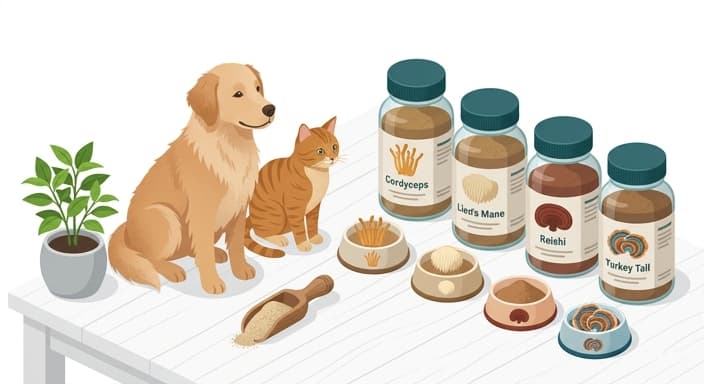
Different mushrooms provide different benefits: Lion's Mane supports cognitive function, Turkey Tail supports immune health, Reishi aids stress response and inflammation, Cordyceps boosts energy and oxygen use.
Biologically active compounds like beta-glucans, triterpenes, and polysaccharides work with the pet's physiology to promote homeostasis rather than overstimulating systems.
Quality and sourcing matter: many supplements rely on mycelium on grain; choosing high-quality, extraction-method-appropriate products is crucial for safety and efficacy.
A veterinarian-guided, evidence-informed approach can help tailor functional mushroom use to an individual pet’s age, health status, and activity level.
There is a persistent, outdated myth in the modern pet care community that the secret to a long, vibrant life for our companions lies solely in the quality of their kibble or the frequency of their walks. As a veterinarian consultant, I frequently speak with devoted pet parents who are searching for that "missing piece" to help their senior dog regain their spark or their anxious cat find a sense of calm, only to discover they have been overlooking the extraordinary, centuries-old potential of functional mushrooms. We are finally moving toward a more sophisticated, holistic standard of veterinary wellness that views mycotherapy—the use of medicinal mushrooms—not as a fringe "alternative" practice, but as a robust, science-backed approach to supporting the immune system, cognitive function, and inflammatory response in our beloved pets.
The Myco-Revolution: Understanding Functional Mushrooms vs. Culinary Varieties
To understand why functional mushrooms are gaining such traction in veterinary medicine, we must first distinguish between the mushrooms you might put in a salad and those categorized as "medicinal" or "functional." While common white button mushrooms offer basic nutrition, functional varieties—such as Reishi, Turkey Tail, Lion’s Mane, and Cordyceps—contain high concentrations of bioactive compounds like beta-glucans, triterpenes, and polysaccharides. These compounds act as biological response modifiers, meaning they help the body modulate its own systems rather than simply forcing a chemical change.
From a clinical perspective, we aren’t just "feeding" the pet; we are providing the raw materials for cellular communication. Beta-glucans, for instance, are complex sugars that interact with receptors in the gut-associated lymphoid tissue (GALT), effectively "training" the immune system to respond more efficiently to threats while calming overactive inflammatory responses. This distinction is vital: unlike synthetic stimulants that might overwork an already stressed body, functional mushrooms work in harmony with your pet's physiology to promote homeostasis.

The Powerhouse Quartet: Which Mushrooms Do What?
In my practice, I often recommend a synergistic blend, but knowing the specific benefits of each mushroom allows for targeted support. It is important to remember that not all mushrooms are created equal, and their therapeutic applications vary significantly:
- Lion’s Mane (Hericium erinaceus): Often called the "brain mushroom," this is my go-to for aging pets experiencing cognitive decline. It contains hericenones and erinacines, which have been shown to stimulate Nerve Growth Factor (NGF) production, supporting neurological health and memory.
- Turkey Tail (Trametes versicolor): Renowned for its high concentration of polysaccharide-K (PSK), this mushroom is a powerhouse for immune support. In veterinary oncology, it is frequently utilized as a supportive adjunct to help maintain immune vitality during conventional treatments.
- Reishi (Ganoderma lucidum): Known as the "mushroom of immortality," Reishi is a premier adaptogen. It is excellent for pets suffering from seasonal allergies or chronic stress, as it helps the body manage cortisol levels and modulate the inflammatory response.
- Cordyceps (Cordyceps militaris): If you have a high-performance agility dog or a senior pet with reduced stamina, Cordyceps is a game-changer. It is associated with improved oxygen utilization and cellular energy (ATP) production, helping to combat fatigue and support cardiovascular health.
Sourcing and Quality: The Importance of Extraction Methods
If you walk into a health food store, you will see a dizzying array of mushroom powders, but as a veterinarian, I must issue a strong word of caution regarding quality. The most significant challenge in the mushroom industry is the presence of "mycelium on grain." Many budget-friendly supplements are essentially ground-up starchy filler (oats or rice) upon which the mushroom was grown, rather than the nutrient-dense fruiting body of the mushroom itself.
To ensure your pet is getting the therapeutic benefits, always look for products derived from the fruiting body. Furthermore, pay attention to the extraction method. Mushrooms have tough cell walls made of chitin, which is indigestible to both dogs and cats. For the bioactive compounds to be bioavailable, the mushroom must undergo a dual-extraction process—both hot water and alcohol extraction—to break down those cell walls and release the beta-glucans and triterpenes. If a label does not specify "fruiting body" and "dual-extracted," you are likely paying for filler and fiber rather than medicine.
Integration into Daily Life: Safety, Dosage, and Monitoring
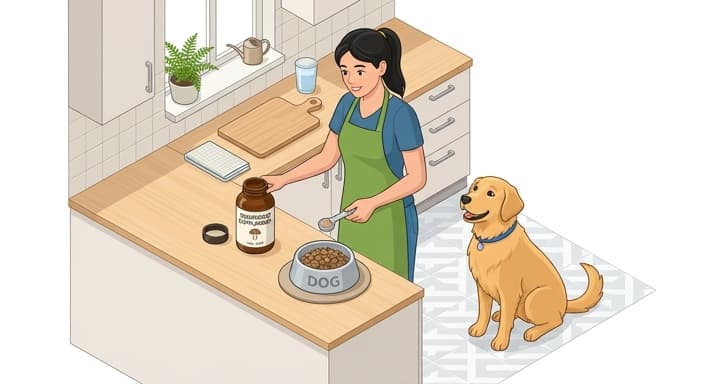
Integrating mushrooms into your pet's routine should be a gradual process. While these fungi are generally considered safe, they are potent biological modifiers, and "more" does not always mean "better." I typically advise my clients to start at half the recommended dose for the first week to observe how their pet’s digestive system responds. Most pets handle them exceptionally well, often finding the earthy flavor a welcome addition to their meals, but individual sensitivities can occur.
When introducing these supplements, keep a "wellness journal." Note your pet’s energy levels, the quality of their coat, their stool consistency, and any behavioral changes. For pets currently on medication—particularly immunosuppressants, blood thinners, or insulin—it is critical to consult your primary veterinarian before adding functional mushrooms to their regimen. Because mushrooms can modulate immune function and blood sugar, they may interact with certain pharmaceuticals, and your vet needs to be aware of all supplemental inputs to manage your pet’s care safely and effectively.
Moving Toward Holistic Longevity
The shift toward incorporating functional mushrooms into veterinary care is part of a larger, necessary evolution in how we approach pet health. We are moving away from a reactive model—where we wait for a diagnosis to intervene—and toward a proactive model that prioritizes cellular resilience, immune balance, and cognitive longevity. By choosing high-quality, fruiting-body extracts and understanding the unique roles of mushrooms like Lion’s Mane and Reishi, you are providing your pet with the foundational support they need to navigate the stresses of modern life.
Ultimately, our goal as pet parents is to provide our companions with the best quality of life for as long as possible. Functional mushrooms are not a "cure-all," but they are a powerful, science-backed tool in our wellness arsenal. When combined with a high-quality diet, regular veterinary checkups, and plenty of love, these ancient forest treasures can help our pets not just survive, but truly thrive throughout every stage of their lives. If you are ready to start, I recommend discussing a targeted mushroom protocol with your vet at your next visit—your pet’s future self will thank you.
Common Questions
🤔
Frequently Asked Questions
What are functional mushrooms and how do they differ from culinary varieties in pet care?▼
Functional mushrooms, also called medicinal mushrooms, contain bioactive compounds that modulate the body’s systems rather than simply providing nutrition. They are used as part of mycotherapy to support immune function, cognitive health, and inflammatory balance in pets. Unlike common culinary mushrooms, their benefits come from compounds such as beta-glucans, triterpenes, and polysaccharides.
Which mushrooms are most commonly recommended for dogs and cats, and what does each do?▼
In veterinary practice, Lion's Mane supports cognitive function and nerve health, Turkey Tail boosts immune vitality, Reishi helps the body manage stress and inflammatory responses, and Cordyceps can support energy and oxygen utilization. The goal is a synergistic blend tailored to the pet’s age, health status, and activity level. It’s important to recognize that individual pets respond differently and professional guidance can help optimize outcomes.
How do mushroom compounds interact with a pet’s immune system and inflammatory responses?▼
Beta-glucans and related polysaccharides interact with gut-associated lymphoid tissue to train and modulate the immune response, promoting a balanced reaction to threats. These compounds support immune vitality without overstimulation, and they work alongside the pet’s physiology to promote homeostasis. Other components, like triterpenes, contribute to anti-inflammatory effects, helping manage chronic stress and inflammation.
What should owners look for when selecting a mushroom supplement for pets?▼
Choose products that come from high-quality sources and clearly disclose extraction methods that preserve key bioactive compounds such as beta-glucans and triterpenes. Avoid supplements relying on mycelium-on-grain, which can introduce unwanted fillers. Look for third-party testing, clear dosing guidance, and veterinary recommendations to ensure safety and efficacy.