Blog5/7/2026
Functional Mushroom Supplements for Pet Wellness: A Guide
5 mins Read
The Briefing
Quick takeaways for the curious
Functional mushrooms are science-backed allies that support immune function, cognitive health, and inflammatory responses in pets, and should complement rather than replace veterinary care.
Functional or medicinal mushrooms like Reishi, Turkey Tail, Lion’s Mane, and Cordyceps contain bioactive compounds such as beta-glucans, triterpenes, and polysaccharides that modulate the body's systems rather than forcing a single chemical change.
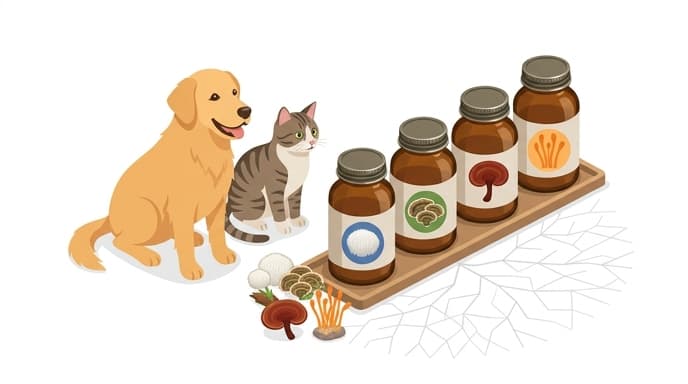
The 'Big Four' mushrooms offer targeted benefits: Lion’s Mane supports cognitive function, Turkey Tail aids immune modulation, Reishi helps with inflammation and stress management, and Cordyceps boosts energy and stamina.
Quality matters: many pet supplements lack regulation, and products grown on grain can be mostly filler; look for transparent labeling, third-party testing, and verification of using the fruiting body or properly processed mycelium.
Integrating mycotherapy should be a collaborative, holistic plan with a veterinarian, including realistic expectations and ongoing monitoring of the pet’s response.
There is a persistent, outdated myth in the modern pet care community that the secret to a long, vibrant life for our companions lies solely in the quality of their kibble or the frequency of their walks. As a veterinarian consultant, I frequently speak with devoted pet parents who are searching for that "missing piece" to help their senior dog regain their spark or their anxious cat find a sense of calm, only to discover they have been overlooking the extraordinary, centuries-old potential of functional mushrooms. We are finally moving toward a more sophisticated, holistic standard of veterinary wellness that views mycotherapy—the use of medicinal mushrooms—not as a fringe "alternative" practice, but as a robust, science-backed approach to supporting the immune system, cognitive function, and inflammatory response in our beloved pets.
The Myco-Revolution: Understanding Functional Mushrooms vs. Culinary Varieties
To understand why functional mushrooms are gaining such traction in veterinary medicine, we must first distinguish between the mushrooms you might put in a salad and those categorized as "medicinal" or "functional." While common white button mushrooms offer basic nutrition, functional varieties—such as Reishi, Turkey Tail, Lion’s Mane, and Cordyceps—contain high concentrations of bioactive compounds like beta-glucans, triterpenes, and polysaccharides.
These compounds act as biological response modifiers, meaning they help the body modulate its own systems rather than just forcing a chemical change. In my clinical practice, I explain it to owners like this: if pharmaceuticals are a surgical strike, functional mushrooms are like a support crew that reinforces the foundation of the house, making the entire structure more resilient against environmental and biological stressors. It is essential to note that these are not "magic" cures, but rather foundational allies that work synergistically with your pet’s existing biology.
Targeting Key Wellness Pillars: The "Big Four" Mushrooms
When clients ask where to start, I always guide them toward the most well-researched varieties. Each mushroom has a specific "superpower" that addresses common feline and canine health challenges:
- Lion’s Mane (Hericium erinaceus): Often called the "brain mushroom," this is my top recommendation for senior pets showing signs of Cognitive Dysfunction Syndrome (CDS). It supports nerve growth factor (NGF), which is vital for maintaining cognitive clarity and neurological health.
- Turkey Tail (Trametes versicolor): This is a powerhouse for immune system modulation. It is incredibly rich in polysaccharopeptides (PSP and PSK), which have been extensively studied for their ability to support the body’s natural defenses and cellular health.
- Reishi (Ganoderma lucidum): Known as the "mushroom of immortality," Reishi is my go-to for pets struggling with systemic inflammation or anxiety. Its adaptogenic properties help the body manage stress and promote a calm, balanced nervous system.
- Cordyceps (Cordyceps militaris): If you have an active dog or a pet recovering from illness, Cordyceps is a game-changer. It is known for supporting ATP production—the primary energy carrier in cells—which helps with stamina, heart health, and lung function.

Quality Matters: How to Navigate the "Mycelium vs. Fruiting Body" Debate
As a veterinarian, I am often frustrated by the lack of regulation in the pet supplement industry. Not all mushroom products are created equal. When shopping for your pet, you will likely encounter the "mycelium vs. fruiting body" debate. The fruiting body is the mushroom you see above ground; the mycelium is the root-like structure below.
Many cheaper supplements are grown on grain, meaning the final powder is actually mostly starch or filler rather than concentrated mushroom compounds. To get the most "bang for your buck" and ensure your pet is actually receiving the therapeutic beta-glucans they need, look for products that specify "100% fruiting body" on the label. Furthermore, ensure the product is "double-extracted." Some compounds in mushrooms are water-soluble (like beta-glucans), while others are alcohol-soluble (like triterpenes). A double-extraction process ensures you are getting the full spectrum of the mushroom’s medicinal benefits, not just a watered-down version.
Safety, Dosage, and the "Slow and Steady" Approach
The beauty of functional mushrooms is their high safety profile, but as with any new addition to a pet’s regimen, "start low and go slow" is the golden rule. I recommend introducing one mushroom type at a time to monitor your pet for any digestive sensitivities. Most pets handle these supplements exceptionally well when mixed into wet food or a bit of bone broth.
Regarding dosage, it is always best to follow the manufacturer’s guidelines based on your pet’s weight, but don't be afraid to consult your veterinarian to customize the intake based on your pet’s specific health history. For example, if your pet is on immunosuppressants or blood-thinners, you must consult your vet before adding mushrooms like Turkey Tail or Reishi, as they can interact with certain medications. Think of these supplements as part of a dialogue between you, your vet, and your pet’s body.

Integrating Mushrooms into a Holistic Lifestyle
Integrating functional mushrooms into your pet's life shouldn't be an isolated event. To truly reap the benefits, these supplements should be part of a "Whole Pet" wellness strategy. This means maintaining a high-quality, biologically appropriate diet, ensuring consistent physical exercise, and prioritizing mental enrichment.
I have seen firsthand how a senior Labrador, previously struggling to navigate the stairs, finds a renewed sense of mobility and alertness after a consistent regimen of Lion’s Mane and Reishi. It is not just about extending the lifespan of our pets; it is about extending their healthspan—the number of years they spend feeling vibrant, comfortable, and deeply connected to us. When you treat the body with the respect it deserves, using nature’s own tools, the results can be truly transformative.
Final Thoughts for the Dedicated Pet Parent
Embarking on the journey of mycotherapy is a testament to how far we have come in our commitment to our pets. By moving beyond the basics and exploring the science-backed potential of functional mushrooms, you are choosing a path of proactive, preventative care. Remember, the goal isn't to chase symptoms, but to cultivate a baseline of health so robust that your pet can navigate their golden years with the same curiosity and joy they had as a puppy or kitten. Always prioritize quality, listen to your pet’s cues, and lean on your veterinary team to ensure these natural allies are being used to their fullest, safest potential. Your companion’s journey to better health is a marathon, not a sprint, and these fungal wonders are the perfect training partners to help them cross the finish line with grace.
Common Questions
🤔
Frequently Asked Questions
What are functional mushrooms and how do they differ from culinary varieties for pets?▼
Functional mushrooms are medicinal varieties that contain higher concentrations of bioactive compounds, such as beta-glucans, polysaccharides, and triterpenes, which can modulate immune, cognitive, and inflammatory processes. Unlike common culinary mushrooms, which mainly provide basic nutrition, functional mushrooms are used for their therapeutic effects. In veterinary practice they are seen as supportive allies that complement traditional care rather than stand in for medical treatment. Always use them under veterinary guidance to ensure proper dosing and safety.
What are the four 'Big Four' mushrooms and what does each support?▼
Lion’s Mane supports cognitive function and nerve growth factor, making it a top pick for senior pets showing signs of cognitive decline. Turkey Tail modulates the immune system and is rich in polysaccharopeptides that help cellular defenses. Reishi acts as an adaptogen, supporting inflammatory balance and stress resilience. Cordyceps promotes energy and stamina, with benefits for aerobic function and overall vitality.
How should owners choose quality mushroom supplements for pets?▼
Look for products with transparent labeling, third-party testing, and clear information about whether the product uses the fruiting body or the mycelium; avoid items grown on grain that may be mostly filler. Prefer standardized extracts with known content of bioactive compounds like beta-glucans. Check for absence of unnecessary fillers, additives, and contaminants, and ensure dosing recommendations are appropriate for your pet’s size and species. Always consult a veterinarian before starting any supplement.
What safety considerations and monitoring steps should I follow?▼
Consult your veterinarian before starting mycotherapy and use products dosed appropriately for your pet. Start with a low dose and monitor for gastrointestinal upset, allergic reactions, or changes in appetite or behavior. Be cautious of potential interactions with medications, especially immunosuppressants or anticoagulants, and discontinue if adverse effects occur. Regular follow-ups help adjust dosing and assess whether the supplement is contributing to the overall wellness plan.