Blog5/30/2026
Functional Mushroom Benefits for Pet Immunity and Wellness
7 mins Read

The Briefing
Quick takeaways for the curious
The immune system is dynamic, not a simple on/off feature, and it requires consistent, nutrient-dense support to function at its best.
Proactive immunomodulation—using functional mushroom supplements as a cornerstone—forms part of preventative, whole‑body wellness for pets.
Many modern pet diets fall short of immune-supportive compounds like bioactive polysaccharides, leaving the immune system undernourished.
Functional mushrooms such as Turkey Tail, Reishi, Cordyceps, and Shiitake provide beta-glucans that train and balance immune responses through the gut immune system.
Mushroom-derived antioxidants, including triterpenes and polyphenols, help mitigate oxidative stress and support immune aging while beta-glucans prime immune cells.
There is a pervasive misconception among many pet owners that the immune system is a static, binary feature—either it is working or it is failing—often overlooking the biological reality that the immune system is a dynamic, complex network that requires constant, nutrient-dense support to function at its peak. As a veterinarian consultant, I frequently see owners who accept frequent minor infections, slow wound healing, and waning vitality in their pets as inevitable signs of aging, failing to realize that these clinical manifestations are often the direct result of a lack of immune-modulating nutrients missing from standard, modern pet diets.
We are moving away from the outdated notion that immune health is something we only address when a pet is already sick, and toward a comprehensive understanding of "proactive immunomodulation," where functional mushroom supplements serve as the cornerstone of preventative, whole-body wellness. True vitality for a companion animal is not just about staving off illness; it is about recognizing that their ancestral physiology is designed to thrive on complex phytonutrients found in the natural environment, and that integrating medicinal fungi into their daily regimen is one of the most impactful ways to align our care practices with the evolutionary needs of our pets.
The Mycelial Fallacy: Why Modern Diets Leave the Immune System Undernourished
The most dangerous myth in modern pet nutrition is that a standard, "complete and balanced" commercial diet provides everything a canine or feline body needs to mount an effective defense against environmental pathogens. While these diets may meet the minimum requirements to prevent overt clinical deficiencies, they often lack the "extra-nutritional" compounds—specifically bioactive polysaccharides like beta-glucans—that act as training camp for the immune system. In the wild, our pets’ ancestors would have encountered a variety of fungi, roots, and botanicals that served as natural immunomodulators, constantly keeping their white blood cells alert and responsive.
By confining our pets to a diet of highly processed kibble, we have inadvertently severed their access to these essential phytonutrients. Modern pet diets are often "sterile" in terms of immune-supportive compounds. When we introduce functional mushrooms, we aren't just adding a supplement; we are reintroducing a lost evolutionary link. These fungi contain complex carbohydrate structures that interact with receptors in the gut-associated lymphoid tissue (GALT), effectively "priming" the immune system to recognize threats more quickly and respond with the appropriate level of vigor. This is not about boosting the immune system to a state of hyper-reactivity, but rather balancing it to ensure that it is neither sluggish nor overactive.
The Power of Beta-Glucans and Beyond: Understanding the Science
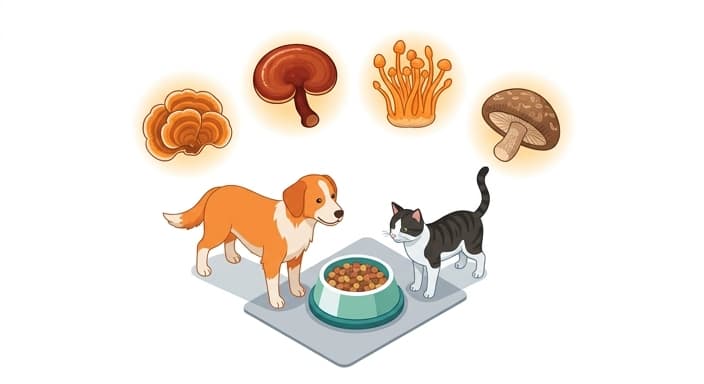
When we talk about medicinal mushrooms like Turkey Tail, Reishi, Cordyceps, and Shiitake, we are discussing a powerhouse of bioactive compounds. The most significant of these are beta-glucans. Unlike the fibers found in grain fillers, mushroom-derived beta-glucans are immunomodulatory. When they reach the digestive tract, they bind to specific receptors on immune cells, such as macrophages, neutrophils, and natural killer (NK) cells. This binding process triggers a cascade of signaling that enhances the cell's ability to phagocytize—or "eat"—pathogens and cellular debris.
Beyond beta-glucans, functional mushrooms offer a secondary layer of defense through their rich antioxidant profiles, specifically triterpenes and polyphenols. These compounds help mitigate oxidative stress, which is one of the primary drivers of immune senescence (the aging of the immune system). In my practice, I often explain that if the immune system is an army, beta-glucans are the training and reconnaissance officers, while the antioxidants are the maintenance crews that keep the soldiers from burning out. By providing both, we ensure that our pets maintain a resilient defense system that doesn’t succumb to chronic inflammation, which is the root cause of many modern pet ailments, including allergies and recurring infections.
Choosing the Right Fungi for Your Pet’s Specific Needs
Not all mushrooms are created equal, and not every pet requires the same fungal profile. As a consultant, I categorize mushroom supplementation based on the intended outcome. For instance, if you are looking to support a senior pet experiencing a decline in overall energy, Cordyceps is often my first recommendation. Cordyceps is well-regarded for its ability to support cellular ATP production, which translates to improved oxygen utilization and enhanced vitality in older, lethargic animals. It is a fantastic choice for supporting heart and lung function during those golden years.
For the pet struggling with seasonal allergies or chronic inflammatory flare-ups, Reishi is the superior choice. Known historically as the "mushroom of immortality," Reishi acts as a powerful adaptogen. It helps the body modulate the inflammatory response, preventing the immune system from overreacting to harmless environmental allergens like pollen or dander. Meanwhile, if you are working with a pet recovering from a surgery or battling a more serious health challenge, Turkey Tail is the gold standard. It is perhaps the most heavily researched medicinal mushroom in veterinary medicine, particularly for its potent ability to support the body’s innate immune surveillance mechanisms.
Quality and Bioavailability: The "Extraction" Factor
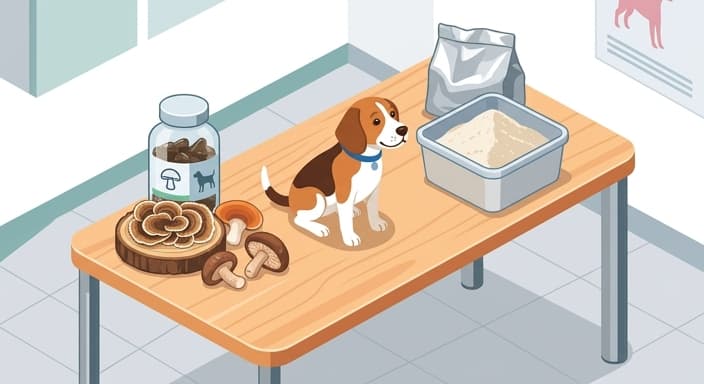
If you walk into a store and pick up a generic mushroom supplement, you might be surprised to learn that you are likely buying more "mycelium on grain" than actual mushroom. This is a critical point for any pet owner to understand: many products are grown on rice or oats, and the final supplement is largely the leftover starch from that grain. This leads to a diluted product that lacks the high concentration of beta-glucans necessary to achieve a clinical result.
To ensure you are providing a therapeutic dose, look for products that specify "fruiting body" on the label. The fruiting body is the actual mushroom structure that grows above ground, where the concentration of bioactive compounds is exponentially higher than in the mycelium (the root structure). Furthermore, always prioritize products that utilize a dual-extraction process. Because some immune-supporting compounds are water-soluble and others are alcohol-soluble, a dual-extraction method is the only way to ensure the full spectrum of the mushroom’s benefits is available to your pet. Without proper extraction, these compounds remain trapped behind the mushroom's tough, fibrous cell walls, making them largely indigestible for a dog or cat.
Practical Implementation: Dosing and Consistency
Integrating functional mushrooms into your pet’s routine is remarkably simple, but consistency is the key variable. Unlike a pharmaceutical drug that provides an immediate, acute effect, mushrooms work on a cumulative basis. It usually takes four to six weeks of daily supplementation to see the full "immunomodulatory" benefit. I recommend starting with a low dose—roughly half of the suggested serving—for the first week to ensure your pet’s digestive system adjusts comfortably, then scaling up to the full dose.
Most high-quality mushroom supplements come in a fine powder form, which is ideal because it can be easily stirred into a raw, canned, or home-cooked meal. If your pet is a picky eater, you can mix the powder with a small amount of warm bone broth or a teaspoon of plain Greek yogurt. Once the supplement becomes part of their daily ritual, you will likely notice subtle but profound changes: a shinier coat, more consistent energy levels, and, most importantly, a decrease in the frequency of those "minor" health hiccups that often plague indoor pets. By treating these supplements as a foundational part of their nutrition rather than an afterthought, you are empowering your pet’s body to defend itself the way nature intended.
In conclusion, the path to long-term immune health for our pets is paved with the wisdom of the natural world. By moving away from the "reactive" mindset—where we wait for symptoms to appear before we intervene—and embracing the "proactive" power of functional mushrooms, we provide our pets with the tools they need to navigate a world full of environmental stressors. Whether you are aiming to support a puppy’s developing immune system, manage a senior dog’s waning vitality, or simply ensure your companion stays as resilient as possible, the daily addition of high-quality, fruiting-body mushroom extracts is a low-risk, high-reward strategy that honors the deep, ancestral roots of our four-legged friends.
Common Questions
🤔
Frequently Asked Questions
What does proactive immunomodulation mean for pets?▼
Proactive immunomodulation means supporting the immune system before illness occurs by providing immune‑modulating nutrients and compounds. It emphasizes daily strategies that align with a pet’s evolutionary biology, rather than reacting only after infections appear. Functional mushroom supplements are positioned as a cornerstone of this preventative approach, helping to balance immune activity and maintain vitality.
Why are beta-glucans important in functional mushrooms for pet immunity?▼
Beta-glucans in medicinal mushrooms interact with receptors on immune cells in the gut, such as macrophages, neutrophils, and natural killer cells. This engagement trains immune cells and enhances their ability to respond to threats without causing overreaction. They function as immunomodulators, supporting efficient defense while avoiding hyperreactivity.
How do modern pet diets fail to support immunity?▼
While many commercial diets meet basic nutritional requirements, they often lack the extra‑nutritional compounds like bioactive polysaccharides that modulate immunity. This undernourishment means the immune system is not continually primed to respond effectively to pathogens. Reintroducing functional fungi helps reconnect pets with evolutionary sources of immune support.
Which mushrooms are highlighted and what do they contribute?▼
The article highlights Turkey Tail, Reishi, Cordyceps, and Shiitake as sources of beta-glucans and other bioactive compounds. These mushrooms provide immune‑modulating beta-glucans and antioxidant components such as triterpenes and polyphenols. Together, they help train the immune system and protect against oxidative stress that can contribute to immune aging.