Blog5/20/2026
Functional Dental Treats for Pet Longevity: Oral Health Wins
6 mins Read
The Briefing
Quick takeaways for the curious
Functional dental treats are a proactive strategy for pet longevity, addressing the oral system as a gateway to systemic health rather than a cosmetic grooming habit.
The act of chewing can cause transient bacteremia in pets with gingivitis, linking unmanaged dental disease to risks like endocarditis and chronic kidney disease.
Longevity-focused nutrition combines mechanical cleaning with biochemical actions to disrupt biofilms and lower pathogen load, supporting heart and kidney function into old age.
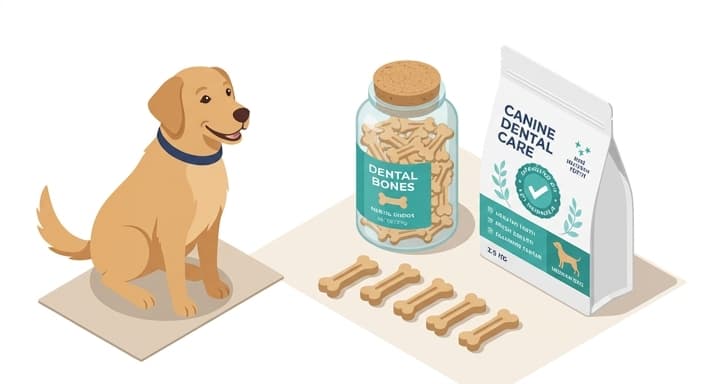
When choosing dental treats, differentiate mechanical abrasive products from enzymatic/chemical ones and look for the VOHC seal as proof of efficacy.
Caring for the oral microbiome and the oral-systemic axis means functional treats can be part of a broader strategy to reduce systemic inflammation and extend healthy life in pets.
There is a pervasive misconception among many pet owners that functional dental treats are merely "glorified snacks" designed to occupy a pet's time, often overlooking the biological reality that the oral cavity acts as a high-velocity delivery system for systemic inflammation. As a veterinarian consultant, I frequently see owners who treat dental health as an elective grooming ritual rather than a cornerstone of longevity, failing to realize that the transition from minor plaque accumulation to systemic bacteremia is a silent, rapid process that can shave years off a pet’s life expectancy.
We are moving away from the outdated notion that chewing is solely a behavioral outlet, and toward a comprehensive understanding of "nutraceutical dentistry," where the mechanical and biochemical action of specialized treats serves as a vital shield for the heart, kidneys, and liver. True wellness for a companion animal is not just about balanced macros or shiny coats; it is about recognizing that oral health is the primary gatekeeper for the immune system and that integrating evidence-based functional treats is a proactive strategy to prevent the cumulative "inflammatory tax" that aging pets pay when periodontal disease goes unchecked.
The Oral-Systemic Connection: Why Teeth Matter for Vital Organs
To understand why we emphasize dental treats, we must first discard the myth that dental disease begins and ends at the gumline. Every time a pet with gingivitis eats or chews, the compromised blood vessels in the gingival sulcus allow oral bacteria to enter the bloodstream—a process known as transient bacteremia. In a healthy animal, the immune system manages this, but in pets with chronic periodontal disease, this is a constant, low-grade infection.
This is where the concept of "longevity-focused nutrition" comes into play. Research consistently shows that pets with untreated periodontal disease have a higher incidence of endocarditis (inflammation of the heart valves) and chronic kidney disease. When we provide functional dental treats, we aren't just cleaning surfaces; we are disrupting the biofilm—a sticky, organized colony of bacteria—that serves as the breeding ground for these pathogens. By choosing treats that combine mechanical abrasion with enzymatic action, we effectively lower the "pathogen load" that the body’s internal organs are forced to filter daily, thereby preserving the functional integrity of the heart and kidneys well into the senior years.
Mechanical vs. Biochemical: Decoding the Functional Label
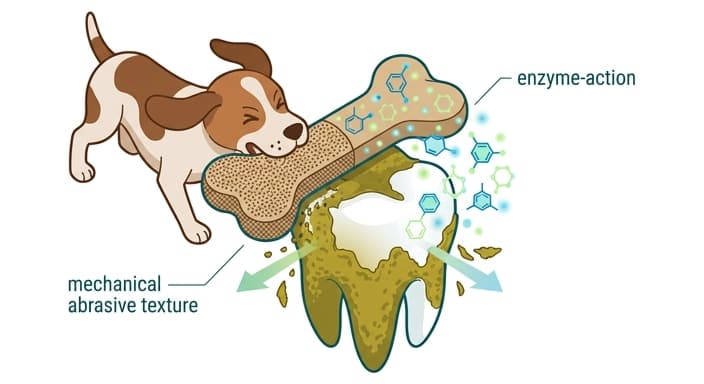
Not all treats marketed for dental health are created equal. As a consultant, I categorize these products into two functional buckets: mechanical abrasive agents and biochemical enzyme catalysts. A "functional" dental treat, in the clinical sense, is one that has been rigorously tested to prove it reduces the rate of tartar accumulation or inhibits plaque mineralization.
Mechanical treats typically rely on texture and density. To be effective, the treat must be firm enough to allow the tooth to sink into the product, providing a "scrubbing" action that reaches the gingival margin. If a treat shatters instantly upon the first bite, it offers zero mechanical benefit. Conversely, biochemical treats often contain ingredients like hexametaphosphate, which binds to calcium in the saliva to prevent it from turning into hard tartar, or enzymatic blends—like lactoperoxidase—that mimic the natural antibacterial properties of healthy saliva. When selecting a product for your pet, I advise owners to look for the Veterinary Oral Health Council (VOHC) seal. This is the gold standard, signifying that the product has undergone clinical trials to prove its efficacy, moving it from the realm of "marketing claims" into the territory of "preventive medicine."
The "Microbiome-Oral Axis": Beyond Just Scrubbing
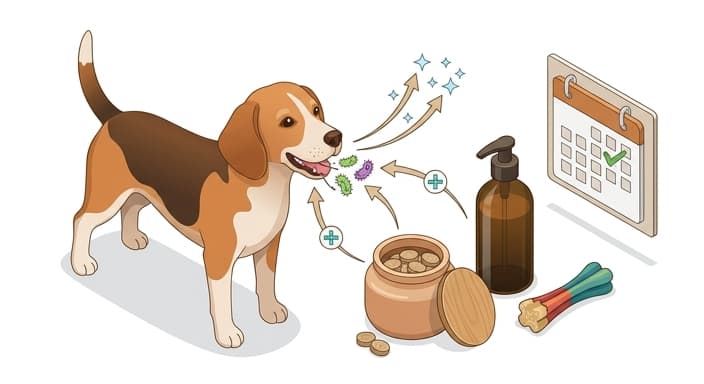
While we often focus on the physical removal of plaque, we must also consider the oral microbiome—the complex ecosystem of bacteria living in your pet's mouth. Just as the gut microbiome dictates immune function, the oral microbiome plays a pivotal role in maintaining the integrity of the periodontal tissue. Many modern functional dental treats are now being fortified with prebiotics and specific antioxidants that support mucosal health.
When we introduce these functional ingredients, we are shifting the oral environment to favor beneficial bacteria that compete with the anaerobic, odor-causing, and tissue-destroying bacteria associated with periodontal disease. This is a game-changer for longevity. By fostering a balanced oral environment, we reduce the production of volatile sulfur compounds (the culprits behind "dog breath") and prevent the inflammatory cascades that lead to bone resorption. Think of these treats as a "daily probiotic for the mouth." When you prioritize the biological balance of the oral cavity, you aren't just freshening breath; you are creating a hostile environment for the pathogens that lead to tooth loss and systemic stress.
Implementing a Sustainable Dental Routine
Consistency is the single most important factor in dental longevity. Even the most scientifically advanced dental chew will fail if it is provided inconsistently or if it is treated as a substitute for veterinary care rather than a supplement to it. I recommend a "Layered Defense" approach: professional cleanings performed under anesthesia by your veterinarian serve as the "reset" button, while daily home care—including brushing and functional treats—serves as the "maintenance" protocol.
For maximum longevity, integrate these treats during a "peak activity" window, such as shortly after a meal, when the pH of the mouth is most conducive to plaque formation. If your pet is a "gulper" who swallows treats whole, it is crucial to select sizes that force them to chew or to use a treat-dispensing puzzle toy that slows down the consumption process. Remember, the benefit is in the contact time. If the treat doesn't spend time interacting with the tooth surface, the therapeutic effect is lost. By making this a non-negotiable part of your daily bonding ritual, you are effectively buying your pet more healthy, comfortable years.
Proactive Aging: The Future of Pet Wellness
The shift toward functional dental treats is emblematic of a larger movement in veterinary medicine: the move from reactive crisis management to proactive health optimization. We are no longer satisfied with our pets simply "getting by" until they reach their senior years; we are actively engineering their environment and nutrition to ensure they thrive. By viewing dental treats as a legitimate, evidence-based medical intervention, you are taking an active role in extending the "healthspan" of your companion.
Periodontal disease is perhaps the most common, yet most preventable, clinical condition I see in my practice. By integrating functional dental treats into your pet’s daily routine, you are effectively closing the gate on a major source of systemic inflammation. This minor, daily investment of time and resources is one of the highest-yield strategies available to any pet owner. As we continue to learn more about the profound influence of the oral cavity on long-term systemic health, it becomes clear that a clean mouth is not just a sign of good grooming—it is a hallmark of a long, vibrant life.
Common Questions
🤔
Frequently Asked Questions
What sets a functional dental treat apart from a regular snack?▼
A functional dental treat is designed to deliver measurable oral health benefits, not just taste or chew value. It falls into two categories: mechanical abrasives that scrub the teeth and biochemical ingredients that inhibit plaque or target biofilms. For a treat to qualify as functional, it should have clinical evidence showing reduced tartar buildup or slower plaque mineralization, often demonstrated with VOHC certification. Because marketing claims vary, always verify the seal and read the product's claims carefully.
How do these treats influence heart and kidney health in aging pets?▼
By reducing the pathogen load and disrupting dental biofilms, functional treats can lower the frequency and intensity of transient bacteremia that accompanies chewing. Fewer circulating pathogens means less inflammatory strain on vital organs like the heart and kidneys over time. While these treats are not a cure, they are a preventive measure that complements brushing, dental cleanings, and ongoing veterinary care. Long-term oral health is linked to better overall organ longevity in many pets.
What should I look for on the label when selecting a dental treat?▼
Look for a VOHC seal, which indicates the product has undergone independent clinical testing for tartar reduction or plaque control. Check whether the product offers a true mechanical cleaning action (firm texture that allows scrubbing) or proven enzymatic/biochemical components, or both. Review the ingredient list for ingredients known to aid oral health (like certain enzymes or anti-tartar agents) and be cautious of claims without cited evidence. Finally, verify the brand’s stated efficacy with independent sources or veterinary guidance.
Can dental treats really contribute to longevity, and how should they fit into a broader care plan?▼
Yes, when used as part of a comprehensive dental care strategy, functional treats can contribute to longevity by reducing oral inflammation and associated systemic stress. They should complement regular brushing, professional cleanings, and veterinary oversight rather than replace them. The goal is to maintain a healthy oral microbiome and minimize the inflammatory tax on the immune system and major organs. In aging pets, a coordinated approach yields the best chance of preserving heart, kidney, and liver function over the long term.