Blog5/16/2026
Freshwater Aquarium Aquascaping: Beginner Tips for Thriving Tanks
6 mins Read
The Briefing
Quick takeaways for the curious
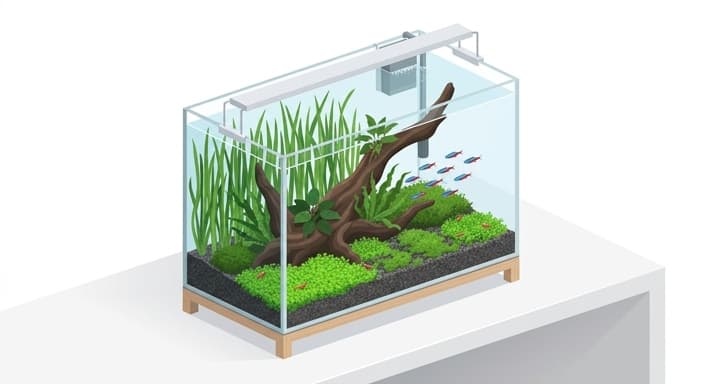
A freshwater aquarium is a living ecosystem that requires a deliberate balance of light, nutrients, and botanical structure to thrive.
Aquascaping is environmental enrichment, creating vertical structure and diverse micro-habitats so fish can hide, explore, and express natural behaviors.
New decorations or plants can change water chemistry or introduce pathogens, so treat every addition as a potential vector and quarantine before adding to the tank.
Botanical stewardship involves rinsing and quarantining plants and using safe materials, while being mindful of tannins from driftwood that can alter pH.
A biologically stable, thoughtfully designed aquascape reduces stress, supports hormonal balance, and promotes long-term health and resilience in freshwater species.
There is a pervasive misconception among many burgeoning aquarists that the primary objective of a freshwater tank is simply to keep fish alive, often overlooking the biological reality that an aquarium is a complex, living ecosystem that requires a delicate balance of light, nutrients, and botanical structure to thrive. As a veterinarian consultant, I frequently see patients presenting with "environmental-stress pathologies"—ranging from chronic immune suppression caused by poor water quality to behavioral manifestations of anxiety resulting from a sterile, barren habitat—and I have found that the most significant advancement in fish care is the shift toward "aquatic stewardship," where the environment we curate is filtered through a lens of natural biological mimicry.
We are moving away from the outdated notion that a fish tank is a static decorative object meant to be filled with neon-colored plastic gravel and synthetic ornaments, and toward a comprehensive understanding of the cognitive and physical complexity of aquatic life. True wellness for a freshwater fish is not just about monitoring pH levels or providing high-quality pellets; it is about recognizing that an aquarium is a captive landscape that requires deliberate, safe, and ecologically sound interventions to prevent the silent, chronic stressors that lead to life-limiting health issues and premature mortality.
The Behavioral Ecology of Aquascaping
To understand why thoughtful aquascaping is a clinical imperative, we must first recognize the biological reality of how fish interact with their environment. In the wild, fish do not live in empty boxes; they dwell within intricate webs of submerged wood, dense vegetation, and diverse substrate profiles that provide essential cues for breeding, foraging, and territory defense. When we introduce a fish into a sparse, artificial environment, we effectively strip them of their ability to express natural behaviors. This leads to a state of chronic frustration, which manifests in clinical settings as "pacing," territory-related aggression, or, conversely, a lethargic withdrawal that indicates a compromised immune system.
Aquascaping is not merely an aesthetic choice; it is an exercise in environmental enrichment. By providing vertical structure through driftwood and varying densities of aquatic plants, we create "micro-habitats" that allow fish to hide, explore, and establish personal boundaries. This is especially vital for territorial species or those with timid temperaments, as the ability to escape the visual field of a dominant tank-mate is essential for reducing cortisol levels and preventing the physical injuries that often result from sustained social conflict.
Botanical Stewardship: Safety and Water Chemistry
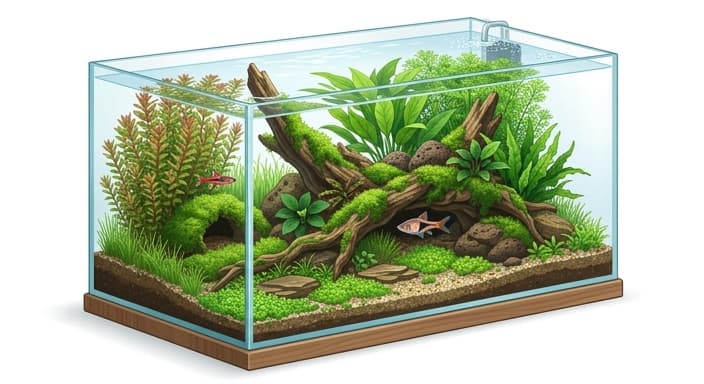
When we discuss the integration of live plants and natural materials, we must prioritize the health of the entire ecosystem. There is a common error among beginners who introduce untreated decorative elements into their tanks, inadvertently altering water chemistry or introducing unwanted pathogens. As a veterinarian, I urge owners to treat every new addition—whether it is a piece of mopani wood or a bunch of Anubias—as a potential vector for change. Natural driftwood, for instance, releases tannins that can lower pH and soften water, which is beneficial for many South American species but potentially stressful for others.
Furthermore, the "chemical safety" of your plants is paramount. Many commercial nurseries treat plants with pesticides or heavy-duty fertilizers that can be lethal to sensitive invertebrates like shrimp or bottom-dwelling catfish. Before placing any new plant in your aquarium, it should undergo a gentle, thorough rinse and a quarantine period. By curating a botanical sanctuary that is biologically stable, we eliminate a silent, preventable source of physiological trauma. We move toward a system where the water column acts as a supportive, healing medium rather than a source of chemical flux.
The Substrate and The Nitrogen Cycle
The foundation of any successful aquascape is the substrate, which serves as both an aesthetic base and the primary home for the beneficial nitrifying bacteria that are the heartbeat of your aquarium. Beginners often opt for large, jagged gravel, which can harbor detritus that rots in inaccessible pockets, leading to spikes in ammonia and nitrite. From a clinical perspective, I strongly advocate for fine, inert sand or nutrient-rich, specialized aquarium soil. These materials are not only easier to keep clean but also allow for more natural foraging behaviors among bottom-dwelling species, preventing the oral abrasions and secondary infections that occur when fish root through sharp, low-quality substrates.
It is equally important to understand that your aquascape is a living filter. As plants grow and root into the substrate, they stabilize the nitrogen cycle by uptaking nitrates and providing surface area for aerobic bacteria. A well-planted tank effectively cleans itself, reducing the reliance on aggressive chemical interventions and frequent, stressful water changes. By choosing a substrate that supports both plant roots and healthy bacterial colonies, you are building an infrastructure that protects the long-term health of your residents.
Designing for Vitality: Layout and Flow
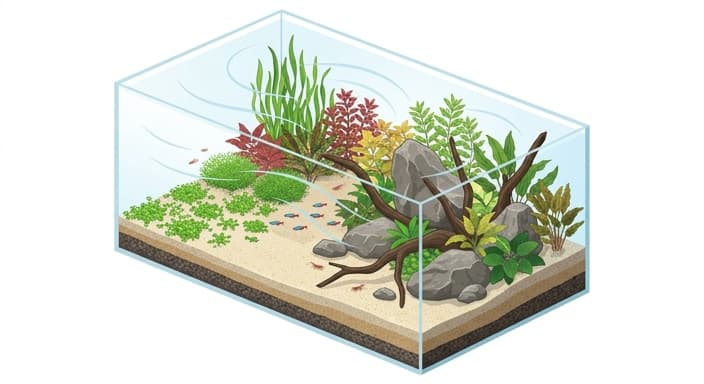
Effective aquascaping requires an understanding of water flow and the "Rule of Thirds." In a poorly designed tank, stagnant zones can form behind dense decorations, leading to pockets of low oxygen where anaerobic bacteria may thrive, producing toxic hydrogen sulfide. When you layout your hardscape—the stones and wood—ensure that you are not obstructing the intake or outflow of your filtration system. A healthy aquascape must prioritize the continuous, oxygenated circulation of water throughout every corner of the tank.
Additionally, consider the "activity levels" of your fish when selecting your layout. Active swimmers, such as danios or tetras, require open "swim lanes" in the middle of the tank, while bottom-dwellers like Corydoras benefit from clear sandy patches. By creating these distinct zones, you cater to the specific physical requirements of your fish, ensuring that they can move freely without encountering unnecessary obstacles. This spatial awareness is the mark of an expert aquascaper who views the tank not as a display of art, but as a functional home for a living creature.
Long-Term Maintenance as Clinical Preventive Care
The final piece of the aquascaping puzzle is the realization that maintenance is not a chore; it is a diagnostic process. When you prune your plants, vacuum the substrate, and clean the glass, you are performing a health check on the entire system. Are the leaves yellowing, signaling a nutrient deficiency? Is the substrate compacted, hinting at a lack of oxygen? By engaging in regular, gentle maintenance, you catch potential issues—like algae blooms or fluctuating water parameters—long before they become life-threatening emergencies.
Ultimately, your goal is to create a dynamic environment that evolves alongside your fish. As your plants grow and your fish mature, your aquascape will naturally shift, requiring minor adjustments to light intensity and fertilization. Embracing this evolution is part of the joy of the hobby. When we view aquascaping through the lens of veterinary wellness, we stop being mere "tank owners" and start becoming true stewards of a miniature world. By prioritizing the biological needs, natural behaviors, and environmental stability of your aquatic companions, you are providing them with the highest quality of care, ensuring they flourish in a home that is as beautiful as it is healthy.
Common Questions
🤔
Frequently Asked Questions
What is the core idea behind freshwater aquascaping for beginners?▼
The core idea is to treat the tank as a living ecosystem that supports natural fish behavior and health, not just a decorative container. By designing with appropriate structure, plants, and materials that mimic natural habitats, you reduce chronic stress and common health issues. This approach embodies aquatic stewardship and long-term well-being rather than short-term aesthetics.
How should beginners safely introduce driftwood and live plants to avoid harming water chemistry or invertebrates?▼
Begin with careful preparation: rinse new items thoroughly, and quarantine them before adding to the display. Natural driftwood releases tannins that can lower pH and soften water, which is beneficial for some species but stressful for others, so know your target. Many store-bought plants come with pesticides or fertilizer residues that can harm shrimp or bottom-dwellers, so rinse, soak, and consider a short quarantine. After introduction, test water parameters and monitor fish behavior.
What are micro-habitats, and how can I create them in a beginner tank?▼
Micro-habitats are small zones within the tank that provide hiding places, breeding cues, and territory boundaries. Use driftwood for vertical structure, vary plant densities, and place rocks to create refuges and visual buffers. Ensure there is enough open swimming space so the tank does not feel crowded.
How does aquascaping impact fish behavior and immune health?▼
A well-designed aquascape reduces chronic stress by offering hiding places and stable territory. Lower cortisol and reduced aggression can lead to improved immune function and healthier behavior. In short, aesthetics and ecology work together to support the wellbeing of freshwater species.