Blog5/13/2026
Effective Weight Management for Obese Dogs: Practical Guide
6 mins Read
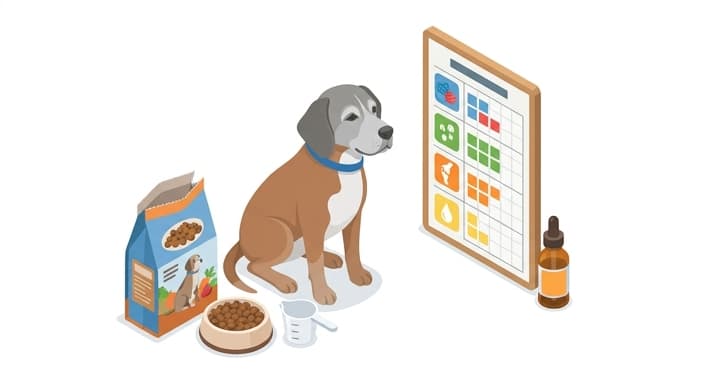
The Briefing
Quick takeaways for the curious
Dog obesity is a chronic inflammatory condition that undermines joint health, metabolic function, and overall longevity.
Effective weight management goes beyond simply 'feeding less' and requires metabolic stewardship that balances environment, nutrition, and activity.
Adipose tissue acts as an active endocrine organ that promotes systemic inflammation and can contribute to insulin resistance and cardiovascular strain.
Caloric precision is essential: measure exact gram amounts with a kitchen scale and account for hidden calories from treats and human foods.
A successful plan combines gradual, individualized exercise with metabolic enrichment to improve mobility without overtaxing the dog's current condition.
There is a pervasive misconception among modern dog owners that a little extra weight is merely a sign of a "well-loved" pet, often overlooking the biological reality that canine obesity is a chronic, inflammatory condition that actively sabotages a dog’s longevity, joint integrity, and metabolic function. As a veterinarian consultant, I frequently see patients presenting with weight-related comorbidities—ranging from early-onset osteoarthritis and insulin resistance to life-limiting respiratory distress and cardiovascular strain—and I have found that the most significant advancement in clinical pet health is the intentional shift toward proactive, science-based caloric management.
We are moving away from the outdated notion that weight loss is simply a matter of "feeding less" and toward a comprehensive understanding of "metabolic stewardship," where the environment, nutrition, and activity levels we curate for our dogs reflect our responsibility toward their physiological limits. True wellness for a dog struggling with obesity is not just about counting calories; it is about recognizing the complex interplay between satiety, hormonal regulation, and physical capacity, ensuring that our companions can move through the world with the vitality and comfort they deserve.
The Physiology of Adiposity: Why "Chunky" Is Not Healthy
To understand why weight management is a veterinary imperative, we must first dispel the cultural aesthetic that equates a round dog with a happy one. In clinical terms, adipose tissue is not merely an inert storage depot for excess energy; it is a highly active endocrine organ that secretes pro-inflammatory cytokines into the bloodstream. These chemicals create a constant state of low-grade systemic inflammation, which accelerates the breakdown of cartilage in weight-bearing joints, disrupts the body’s natural insulin sensitivity, and places an unsustainable burden on the heart and lungs.
When a dog carries excess weight, every movement requires a greater expenditure of energy and causes more physical trauma to the skeletal system. This creates a "vicious cycle of sedentary behavior": because it hurts to move, the dog moves less, which leads to further muscle atrophy and additional weight gain. Recognizing that your dog is at an unhealthy body condition score (BCS) is not an indictment of your care; it is the first step toward reclaiming their mobility and quality of life.
Caloric Precision: Moving Beyond the "Scoop" Method
One of the most common pitfalls I encounter in the clinic is the reliance on the "cup" as a universal unit of measure. Most pet food packaging provides feeding guidelines that are often calibrated for intact, highly active dogs, which frequently results in overfeeding for the average neutered or indoor-dwelling companion. To manage weight effectively, we must move toward "caloric precision," where we calculate the Resting Energy Requirement (RER) of the individual dog.
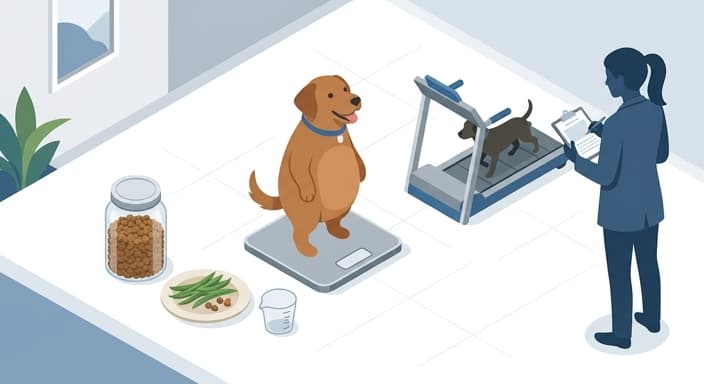
I always recommend that owners move away from the "eyeballing" method and invest in a digital kitchen scale. By weighing out the exact gram amount of kibble rather than using a loose scoop, you eliminate the margin of error that can account for several extra pounds over the course of a year. Furthermore, it is vital to account for the "hidden calories" found in treats and human food scraps. If treats are necessary for training or bonding, they should constitute no more than 10% of the dog’s total daily caloric intake. Replacing commercial high-calorie treats with low-glycemic, high-volume options like green beans, sliced cucumbers, or air-popped popcorn (sans butter/salt) can help a dog feel full without compromising their weight loss trajectory.
The Role of Metabolic Enrichment and Controlled Movement
Weight loss is not solely about input; it is equally about the output, but the approach must be tailored to the dog’s current physical state. For an obese dog, a high-intensity jog is not just unnecessary—it is dangerous. High-impact exercise can exacerbate joint pain and lead to acute injuries. Instead, we should focus on "metabolic enrichment," which emphasizes low-impact, high-frequency movement that builds lean muscle mass without overstressing the joints.
Underwater treadmill therapy is the gold standard for overweight dogs, as the buoyancy of the water provides a full-body workout while neutralizing the impact on the hips and spine. For home-based activity, consider short, frequent "sniff-walks" rather than one long, grueling hike. Allowing a dog to engage their brain through nose-work and scent games burns significant mental energy, which can help regulate appetite hormones. Additionally, using puzzle feeders or slow-mat feeders forces the dog to work for their meals, which slows the rate of ingestion and provides a sense of accomplishment, ultimately leading to higher levels of satiety following a meal.

Monitoring Progress: The Body Condition Score (BCS)
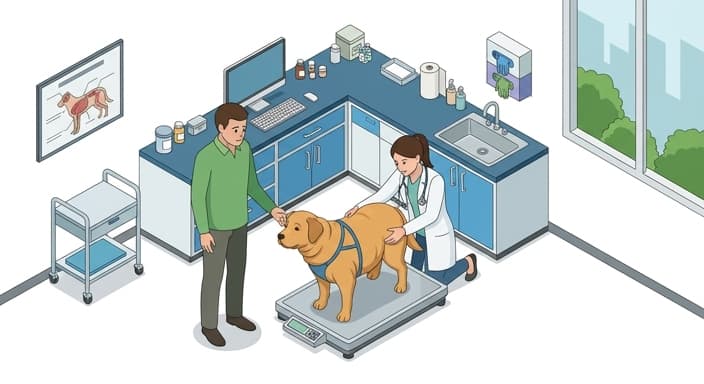
Weight loss is a marathon, not a sprint. A safe rate of weight loss for a dog is typically between 1% and 2% of their total body weight per week. Rapid weight loss is medically contraindicated, as it can lead to muscle wasting and metabolic instability. As a veterinarian, I encourage clients to use the Body Condition Score (BCS) system rather than focusing solely on the number on the scale.
The BCS is a nine-point scale that assesses physical markers: you should be able to feel the ribs without a heavy layer of fat covering them, there should be a discernible "waist" when viewed from above, and there should be a clear "abdominal tuck" when viewed from the side. Taking photos of your dog from these two angles every two weeks can provide a visual record of progress that is often more encouraging than the fluctuating numbers on a scale. During this process, consistent communication with your veterinarian is essential; we can help adjust caloric intake if progress plateaus and ensure that the weight loss is coming from fat stores rather than essential muscle mass.
Sustaining Wellness: The Lifelong Commitment
Once a target weight is achieved, the work is not finished; it merely enters the "maintenance phase." Many owners make the mistake of returning to previous feeding habits once the dog looks "fit," which leads to the all-too-common yo-yo effect. Maintaining a healthy weight requires a permanent adjustment to the dog’s lifestyle, treat frequency, and activity levels. This is a practice of love, not restriction. By keeping your dog at their ideal body condition, you are actively preventing the onset of chronic pain and metabolic disease, effectively buying them more time to enjoy their life by your side.
Ultimately, the journey toward a healthier weight is a profound demonstration of your commitment to your dog’s long-term wellness. By prioritizing nutrient density over empty calories, implementing low-impact activity, and maintaining a watchful eye on their physical condition, you are empowering your dog to live a life defined by comfort, curiosity, and vitality. Remember that you are their primary advocate; by making these science-backed choices today, you are ensuring that your companion remains an active, energetic partner for many years to come.
Common Questions
🤔
Frequently Asked Questions
Why is obesity a veterinary concern for dogs?▼
Dog obesity is not merely a cosmetic issue; it creates a chronic inflammatory state driven by adipose tissue, contributing to faster cartilage degeneration in weight-bearing joints, insulin resistance, and cardiovascular strain. These changes shorten lifespan and reduce quality of life. Early recognition and proactive management are essential.
What does 'caloric precision' entail?▼
Caloric precision means calculating a dog's actual energy needs rather than relying on generic feeding charts. Start by estimating the Resting Energy Requirement (RER) and tailor it to the dog's life stage, activity, and neuter status, then measure with a kitchen scale to feed exact gram amounts. Account for hidden calories from treats and human food, and keep treats to about 10% of daily calories. Consider lower-calorie, high-volume options that maintain satiety, such as vegetables.
How should owners structure exercise for an obese dog?▼
Begin with low-impact activities that do not stress the joints, such as short leash walks and gentle play, gradually increasing duration as comfort improves. Always monitor for pain signals and adjust intensity to avoid injury or frustration. Metabolic enrichment—puzzle feeders, scent games, and short, varied activities—can boost energy expenditure without stressing the joints. Work with a veterinarian to design a plan tailored to the dog's current physical state.
When should I consult a veterinarian for weight management?▼
If your dog's weight does not begin to decrease after a few weeks of a structured plan, seek veterinary guidance. If you notice persistent obesity or new weight-related symptoms, consult a veterinarian to assess possible comorbidities and refine the caloric targets. A vet can authorize a tested weight-loss plan, including diet, exercise, and monitoring. Regularly track body condition and progress, and adjust the plan as the dog loses weight or as activity levels change.