Blog5/18/2026
Effective Dental Care for Pet Longevity: Proactive Oral Health
7 mins Read
The Briefing
Quick takeaways for the curious
Periodontal disease is not just a cosmetic issue; it's a systemic inflammatory condition that can affect the heart, kidneys, and liver, making dental care essential for a pet's longevity.
Plaque forms within 24 to 48 hours and progresses to tartar, which harbors bacteria and triggers gingival inflammation that can lead to bone loss and tooth loss if untreated.
A proactive, multi-modal approach to home care—emphasizing prevention over surgery—constitutes the gold standard for maintaining oral and overall health.
Daily brushing with veterinary-specific enzymatic toothpaste is the cornerstone of effective dental stewardship, because it disrupts biofilm and is safe to swallow.
For owners who struggle with brushing, consistency matters more than perfection; supplement with VOHC-approved dental chews or water additives and gradually build a gentle routine while focusing on outer tooth surfaces.
There is a pervasive misconception among modern pet owners that the health of a pet’s mouth is merely a cosmetic concern or a matter of breath freshness, often overlooking the biological reality that periodontal disease is a systemic inflammatory condition capable of compromising the heart, kidneys, and liver. As a veterinarian consultant, I frequently see patients presenting with "silent-pathology syndromes"—where chronic, low-grade bacterial infections in the gingival sulcus have progressed to bone loss and systemic sepsis—and I have found that the most significant advancement in veterinary dentistry is the shift toward "proactive oral stewardship," where the home-care routine we curate is filtered through a lens of prevention rather than reactive surgery.
We are moving away from the outdated notion that dental disease is an inevitable consequence of aging in dogs and cats, and toward a comprehensive understanding of the oral microbiome’s role in overall vitality. True wellness for a companion animal is not just about balanced nutrition or routine physical exams; it is about recognizing that the oral cavity is a primary gateway for pathogens and that consistent, deliberate, and evidence-based interventions are the only way to prevent the painful, life-limiting consequences of untreated dental decay.
The Pathology of Periodontitis: More Than Just "Dog Breath"
To understand why dental hygiene is a clinical imperative, we must first recognize the physiological reality of the oral cavity. In both dogs and cats, the mouth is a complex ecosystem teeming with bacteria. When these microbes interact with food particles and saliva, they form a sticky, colorless biofilm known as plaque. If this plaque is not removed within 24 to 48 hours, minerals in the saliva begin to harden the biofilm into tartar—also called calculus—which is physically bonded to the enamel and cannot be removed with a toothbrush.
Once tartar forms, it acts as a permanent harbor for bacteria, triggering a localized inflammatory response in the gums known as gingivitis. If left untreated, the inflammation migrates beneath the gumline, destroying the periodontal ligament and the alveolar bone that holds the teeth in place. This is where the "silent-pathology" becomes dangerous. The inflamed, bleeding tissue provides a direct portal for bacteria to enter the bloodstream. These circulating pathogens can colonize distant organs, specifically the heart valves (endocarditis), the kidneys, and the liver, placing an enormous, constant burden on the pet’s immune system. By treating the mouth, we are not just saving teeth; we are preserving the longevity of the entire organism.
The Gold Standard: A Multi-Modal Approach to Home Care
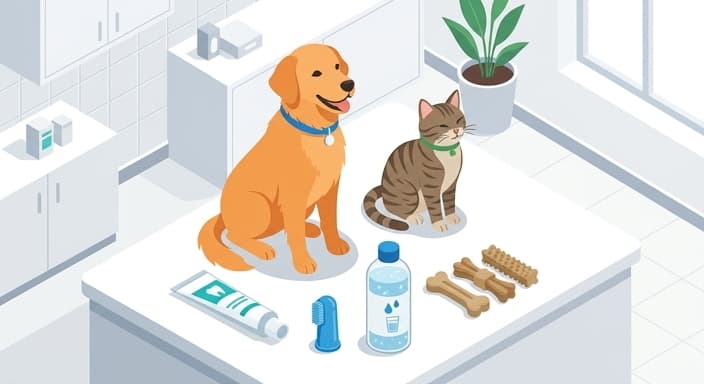
Effective dental stewardship is not achieved through a single "magic bullet" but through a multi-modal strategy that mimics the mechanical cleaning action required to disrupt biofilm. The gold standard remains daily tooth brushing with a veterinary-specific enzymatic toothpaste. Unlike human toothpaste, which contains fluoride and xylitol—both toxic to pets—enzymatic pet toothpaste is designed to be swallowed and contains proteins that help break down the chemical bonds of plaque.
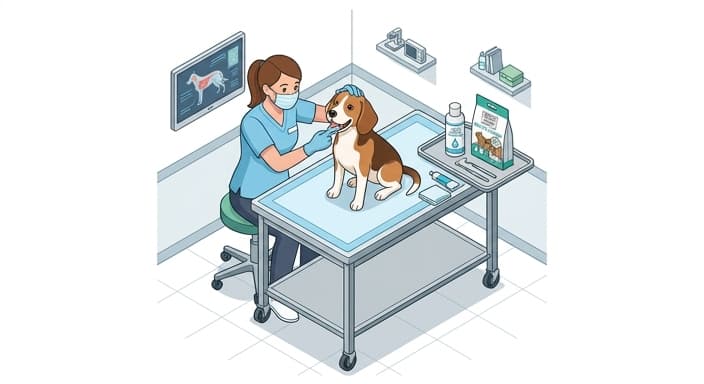
However, I recognize that many owners find the prospect of brushing a cat’s or dog’s teeth daunting. If your pet is resistant, the goal is to shift from "perfect" to "consistent." Start by introducing the toothpaste as a treat, allowing them to lick it off your finger. Progress to using a soft-bristled finger brush, focusing only on the outer surfaces of the teeth where tartar accumulates most rapidly. Supplementing this with Veterinary Oral Health Council (VOHC) approved dental chews or water additives can provide additional mechanical and chemical support. These products have undergone rigorous testing to ensure they actually reduce plaque and tartar, rather than simply masking the odor of decay.
Dietary Factors and the Myth of "Crunchy Kibble"
A common myth I encounter in the clinic is the belief that feeding dry kibble is sufficient to keep a pet’s teeth clean. The logic follows that the abrasive action of chewing hard pellets scrapes the teeth clean; unfortunately, the reality is that most kibble shatters upon impact, providing little to no mechanical cleaning effect on the gingival margin—the exact area where periodontal disease begins. In fact, many high-starch kibbles may leave behind fermentable carbohydrates that actually accelerate plaque accumulation.
To truly manage oral health through diet, we must look for specialized dental diets formulated with larger, fibrous kibble shapes that require the pet to bite down firmly, allowing the tooth to penetrate the surface of the food before it fractures. This "polishing" action is significantly more effective than standard diets. Furthermore, maintaining a healthy weight is crucial, as obese pets are statistically more prone to periodontal disease due to systemic, low-grade inflammation that hampers the body’s ability to heal oral tissues. Nutrition is the foundation, but it must be applied with intention, prioritizing foods that support, rather than hinder, oral hygiene.
Identifying the Red Flags of Oral Distress
One of the most challenging aspects of veterinary dentistry is that pets are masters of masking pain. Even with advanced tooth resorption or deep periodontal pockets, many dogs and cats will continue to eat normally, leading owners to believe that their pet's mouth is healthy. As a consultant, I encourage owners to look for subtle, non-vocal cues of oral discomfort. These include "chattering" teeth, dropping food while eating, a sudden preference for softer foods, or excessive drooling.
Physical examination at home is a vital skill. Lift your pet's lips gently to check for reddened or receding gums, brown or yellow buildup near the gumline, or persistent halitosis. While a "doggy" smell is somewhat normal, a foul, rotting odor is almost always a sign of advanced infection. Furthermore, keep an eye on the symmetry of the face. A swelling below the eye or a chronically runny nose can actually be a sign of a slab fracture or a tooth root abscess, which requires immediate veterinary intervention. By performing these "nose-to-tail" wellness checks weekly, you can catch pathology in its infancy, often avoiding the need for expensive and invasive extractions later on.

The Role of Professional Veterinary Dental Cleanings
Even the most diligent home care routine cannot replace the necessity of professional veterinary dental cleanings (COHAT—Comprehensive Oral Health Assessment and Treatment). Because the most critical areas of the mouth are beneath the gumline, professional cleanings under anesthesia are essential. Under anesthesia, we can utilize digital dental radiography to visualize the health of the bone and roots—areas that are invisible to the naked eye.
Often, I hear concerns regarding the safety of anesthesia. However, in modern veterinary medicine, the risk of anesthetic complications in a healthy pet is statistically lower than the risk of systemic disease caused by chronic, untreated oral infection. By performing a COHAT while the pet is young and healthy, we can practice true preventive dentistry, addressing small pockets and removing hardened calculus before they develop into painful, bone-destroying issues. Think of professional cleanings not as a "once-in-a-lifetime" event, but as a maintenance schedule—much like taking your car in for an oil change—to ensure the engine of your pet's body continues to run smoothly for as long as possible.
Integrating Oral Wellness into Your Daily Routine
Ultimately, the goal of dental care is to extend the "healthspan" of your pet, ensuring that their later years are spent in comfort rather than chronic pain. This journey begins with a mental shift: stop viewing the mouth as a secondary concern and start viewing it as the primary gateway to your pet’s internal health. By committing to a routine of daily mechanical plaque disruption, using VOHC-approved supplements, and adhering to a professional dental evaluation schedule, you are taking proactive, life-extending action.
Start small. Dedicate three minutes every evening to a positive, rewarding dental routine. Whether it is brushing, using a dental wipe, or applying a specialized gel, the consistency is what matters most. Your pet may not understand the science, but they will certainly feel the difference in their energy levels, their appetite, and their overall quality of life. As you cultivate these habits, you aren't just caring for a pet; you are actively contributing to the foundation of their longevity, ensuring they stay by your side, healthy and pain-free, for years to come.
Common Questions
🤔
Frequently Asked Questions
Why is dental health linked to overall longevity in pets?▼
Periodontal disease is a systemic inflammatory condition that can affect the heart, kidneys, and liver. Bacteria from inflamed gum tissue can enter the bloodstream and colonize distant organs, placing a chronic burden on the immune system. Treating the mouth protects the whole organism and can support longer, healthier lives for pets.
What does a gold-standard at-home dental care routine look like?▼
A gold-standard routine centers on daily tooth brushing with a veterinary-specific enzymatic toothpaste. Avoid human toothpaste, which contains fluoride and xylitol that are toxic to pets, and start with a soft finger brush to ease your pet into the habit. Focus on the outer surfaces of the teeth where tartar accumulates most, and supplement brushing with VOHC-approved dental chews or water additives for additional plaque control.
What are VOHC-approved products and why should I use them?▼
VOHC-approved products have undergone testing to demonstrate their ability to reduce plaque and tartar. They provide both mechanical and chemical support to oral health and are intended to complement brushing rather than replace it. Look for the VOHC seal on dental chews and water additives when shopping to ensure you are choosing evidence-backed options.
What can I do if my pet resists brushing?▼
If your pet resists brushing, prioritize consistency over perfection and progress gradually. Start by letting them taste the toothpaste and use a soft finger brush on the outer tooth surfaces, keeping sessions short and positive. Build the routine slowly, and consider VOHC-approved chews or water additives as supplement options; if brushing remains difficult, consult your veterinarian for guidance or professional cleaning when appropriate.