Blog5/12/2026
Eco-Friendly Toys for Sustainable Pet Play and Wellness
6 mins Read
The Briefing
Quick takeaways for the curious
A shift from equating durability with quality to prioritizing sustainable, non-toxic, biodegradable play tools is essential for both pet health and the environment.
Many conventional pet toys contain PVC, phthalates, and lead pigments that can leach chemicals and pose health risks when chewed or ingested.
Sustainable options such as organic cotton, natural rubber, hemp, and wool reduce chemical exposure and offer safer choices if swallowed.
Natural materials can be highly durable when properly sourced and crafted, with natural rubber and hemp providing resilience and antimicrobial benefits.
Enrichment comes from toys that mimic natural textures and scents, like braided hemp toys that satisfy gnawing instincts while supporting hygiene.
There is a pervasive misconception among modern pet owners that the durability of a toy is synonymous with its quality, often overlooking the environmental and physiological reality that our reliance on mass-produced, virgin-plastic pet products contributes to a cycle of waste that impacts both our global ecosystems and our pets' immediate health. As a veterinarian consultant, I frequently see pets presenting with health issues ranging from localized contact dermatitis to gastrointestinal distress caused by the ingestion of toxic synthetic materials, and I have found that the most significant advancement in responsible pet ownership is the intentional shift toward sustainable, non-toxic, and biodegradable play tools.
We are moving away from the outdated notion that a toy is merely a disposable distraction and toward a more comprehensive understanding of "conscious play," where the materials we provide our companions reflect our responsibility toward their long-term wellness and the preservation of the planet. True wellness for a dog or cat is not just about keeping them occupied for an hour; it is about providing durable, natural, and safe tools that engage their senses without introducing endocrine-disrupting chemicals, synthetic dyes, or microplastics into their daily environment.
The Hidden Costs of Conventional Play: Why Materials Matter
To understand why sustainable toys are a veterinary imperative, we must look at the chemical composition of the average "bargain bin" toy found in big-box pet stores. Many conventional toys are manufactured using polyvinyl chloride (PVC), phthalates, and lead-heavy pigments. When a dog chews on a cheap, mass-produced plastic toy, they are not only at risk of ingesting sharp plastic shards—which can cause life-threatening intestinal obstructions—but they are also absorbing chemical plasticizers that have been linked to hormonal imbalances and systemic inflammation.
For cats, the risks are often related to synthetic fibers and chemical coatings on "laser-printed" polyester toys. These fibers can be ingested during grooming or play, leading to hairballs or, more dangerously, linear foreign body obstructions in the digestive tract. By opting for toys made from renewable resources like organic cotton, natural rubber, hemp, or wool, we eliminate the risk of chemical leaching and ensure that if a piece is accidentally swallowed, it is significantly less likely to cause a toxic reaction or a permanent blockage. Sustainable toys represent a move toward "biophilic design," bringing elements of the natural world back into the domestic sphere.
The Science of Sustainable Durability
A common concern I hear in the clinic is that eco-friendly toys are "too soft" or "don't last." This is a misunderstanding rooted in the era of cheap, synthetic polymers. Natural materials, when sourced and crafted correctly, offer a high level of structural integrity. Take natural rubber (latex) harvested from the Hevea brasiliensis tree, for example. Unlike synthetic rubber, which becomes brittle and cracked when exposed to UV light or saliva, high-quality natural rubber is incredibly resilient, flexible, and non-toxic.
Furthermore, hemp fiber is one of the most durable natural materials on the planet. It is antimicrobial by nature, which is a significant clinical advantage; whereas synthetic plush toys are essentially petri dishes for bacteria and mold from a pet's saliva, hemp toys are naturally resistant to microbial growth. When we choose hemp or organic wool, we are not just making a green choice; we are making a hygienic choice that supports the skin and oral health of our pets.

Engaging Natural Instincts: Enrichment Through Nature
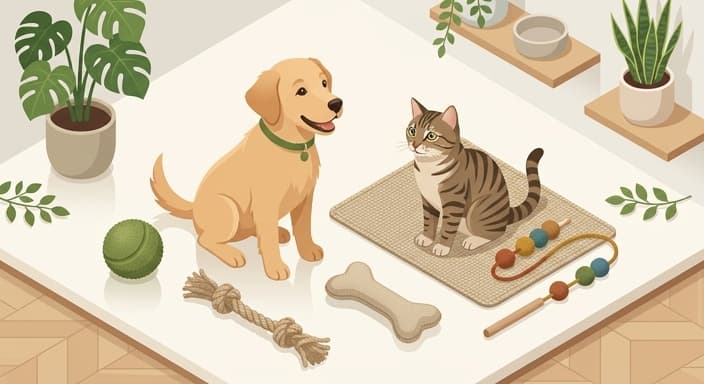
When we select toys, we should prioritize materials that mimic the textures and scents found in the natural world. Dogs and cats are sensory-driven creatures. A toy made of rough, braided hemp provides a tactile experience that satisfies the urge to gnaw and pull, while wool-based toys for cats offer a scent profile that synthetic felt simply cannot replicate.
When selecting sustainable toys, look for the following criteria to ensure safety and environmental stewardship:
- GOTS-Certified Organic Cotton: Ensures no pesticides were used in the cultivation of the fibers.
- Natural, Sustainably Harvested Rubber: Look for FSC-certified sources to ensure the rubber was not harvested from deforested areas.
- Vegetable-Based Dyes: Avoid toys that use heavy-metal-based pigments, which can be toxic if licked or chewed.
- Minimalist Packaging: A truly eco-friendly brand will avoid plastic clamshells and excessive zip ties, opting for recycled cardboard or compostable materials.
By integrating these items into your pet’s enrichment routine, you are reinforcing their connection to the natural world while reducing your own carbon pawprint.
The Lifecycle of a Toy: From Play to Compost
The philosophy of sustainable play extends beyond the purchase; it includes the end-of-life cycle of the product. Conventional synthetic toys are destined for a landfill, where they will exist for centuries as microplastics. In contrast, sustainable toys are designed with an exit strategy. A wool-based cat kicker or a hemp-rope tug toy is, at its core, biodegradable.
Once a toy has reached the end of its useful life—perhaps after a year of vigorous play—it can be responsibly disposed of. Natural rubber can often be sent to specialized recycling programs, and organic fibers like hemp, wool, or cotton can be composted in your backyard garden or local organic waste bin. This circular approach to pet care is the cornerstone of sustainable veterinary stewardship. It changes the narrative from "buying more stuff" to "investing in high-quality, earth-conscious tools."
Creating a Sustainable Toy Rotation
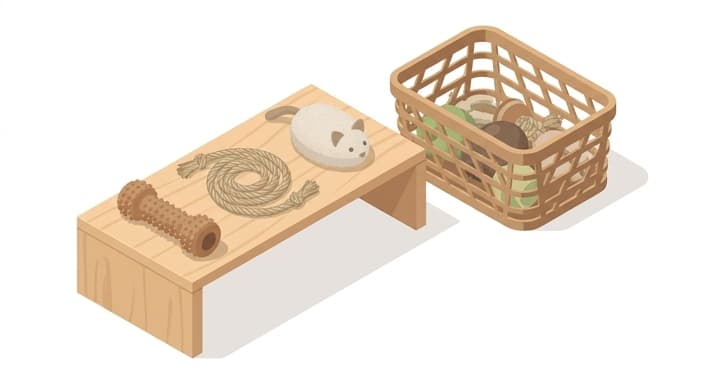
To maximize the longevity of your eco-friendly toys, I recommend implementing a "rotation system." Rather than leaving the entire toy basket available to your pet 24/7—which leads to boredom and accelerated wear—choose 2 or 3 high-quality sustainable toys to leave out each week. Store the rest in a dry, ventilated area.
This accomplishes two clinical goals: it keeps the "novelty factor" high, which is essential for feline and canine mental stimulation, and it prevents the toys from being constantly saturated in saliva, which can degrade even the most durable natural materials over time. Furthermore, if you have a dog that is a "power chewer," rotate in a natural rubber toy for chewing sessions and save the hemp-tug for supervised play. This preserves the structural integrity of your gear and ensures your pet remains engaged with their enrichment tools for months, or even years, rather than weeks.
A Holistic Approach to Future-Proofing Pet Health
As we navigate the intersection of pet health and environmental consciousness, it is clear that the choices we make for our companions have profound ripple effects. By rejecting the culture of cheap, toxic, and disposable plastic, we are not just acting as responsible stewards of the planet—we are actively protecting our pets from the hazards of synthetic chemicals and foreign body risks.
True sustainability in the pet industry is about quality over quantity. When we choose products crafted from earth-derived materials, we provide our pets with the sensory richness they crave and the safety they deserve. I encourage you to audit your pet's current toy box; replacing even a few mass-produced items with sustainable, natural alternatives is a powerful step toward a healthier, more vibrant life for your furry family member and a cleaner, greener future for us all.
Common Questions
🤔
Frequently Asked Questions
What makes eco-friendly pet toys safer for pets health and the environment?▼
Eco-friendly toys avoid harmful plastics, heavy metals, and toxic dyes and are chosen for safer chewing and ingestion. They reduce chemical exposure that can contribute to dermatitis and gastrointestinal upset, and they minimize long-term health risks. Using renewable and biodegradable materials also lowers the waste footprint and supports a healthier environment for pets and people.
Are eco-friendly toys really durable enough for aggressive chewers?▼
Durability depends on material and craftsmanship. High-quality natural rubber and hemp-based designs can be surprisingly resilient when properly processed, and they resist microbial growth compared with synthetic plush. However, no toy is unbreakable, so regular inspection and timely replacement are essential.
Which materials are best for cats vs dogs in sustainable toys?▼
For dogs, natural rubber, hemp, and organic cotton toys offer safe, durable options that stand up to chewing and play. For cats, wool and hemp fibers plus durable organic cotton textures can satisfy scratching and pouncing without shedding harmful fibers. Avoid synthetic laminated fabrics and toy coatings that may shed microplastics or dyes.
How can I assess the environmental impact of a pet toy?▼
Look for clear material sources, certifications, and end-of-life guidance from the maker. Prefer toys that use renewable resources and avoid PVC, phthalates, and non-recyclable packaging. Consider durability and expected lifespan to gauge overall waste reduction, and choose brands that disclose supply chain practices.