Blog5/19/2026
Eco-Friendly Pet Waste Management Tips for a Greener Yard
7 mins Read
The Briefing
Quick takeaways for the curious
Pet waste contains high levels of nitrogen and phosphorus that can burn local vegetation and contribute to harmful algal blooms in nearby water bodies when not managed properly.
Waste acts as a reservoir for zoonotic pathogens such as Giardia, Cryptosporidium, and Toxocara, creating a pathogen-transfer cycle that can affect wildlife, other pets, and humans.
The shift toward ecological waste stewardship moves us from plastic-bag convenience to systems that emphasize containment, degradation, and soil safety to protect water quality and ecosystems.
Biodegradable and compostable bags are often not truly eco-friendly; many are oxo-biodegradable and break into microplastics, so true eco-friendliness requires home compostable certification and correct disposal methods.
Practical strategies like localized composting or waste-to-energy programs, when available, can reduce landfill methane and nutrient leakage, while treating pet waste as a clinical decision that impacts the local biosphere.
There is a pervasive misconception among many pet owners that the management of pet waste is a chore of mere convenience, often overlooking the biological and environmental reality that millions of tons of untreated canine and feline waste deposited annually in our ecosystems represent a significant public health hazard and a chemical load on our soil and waterways. As a veterinarian consultant, I frequently see owners who are deeply committed to their pet’s health but remain unaware of the "pathogen-transfer cycle"—where discarded waste acts as a vector for zoonotic parasites like Giardia, Cryptosporidium, and Toxocara—and I have found that the most significant advancement in responsible pet ownership is the shift toward "ecological waste stewardship," where the methods we choose for collection and disposal are filtered through a lens of environmental restoration rather than synthetic convenience.
We are moving away from the outdated notion that plastic-bagged waste is a harmless, "out-of-sight, out-of-mind" necessity, and toward a comprehensive understanding of how our pets’ waste interacts with the broader biosphere. True wellness for a companion animal extends beyond the home and into the local habitat; it is about recognizing that every scoop is a clinical decision and that adopting evidence-based, eco-friendly disposal strategies is the only viable path to mitigating our carbon paw-print while protecting the local water table from nitrogen leaching and microbial contamination.
The Pathology of Neglect: Why Waste Management Matters
To understand why eco-friendly waste management is a clinical and ethical imperative, we must first recognize the physiological reality of pet waste. Fecal matter is not a natural fertilizer in the way that herbivore manure is. Because our dogs and cats are carnivores or omnivores, their waste contains high concentrations of nitrogen and phosphorus that can "burn" local vegetation and trigger harmful algal blooms in nearby water bodies. Furthermore, from a veterinary perspective, the risks are immediate. Fecal matter is a reservoir for enteric pathogens that can persist in the environment for months, potentially infecting local wildlife, other pets, and even humans.
Many owners assume that by bagging waste, they are solving the problem; however, the reality is that the vast majority of this waste ends up in landfills, where it is encased in non-biodegradable plastic. In this anaerobic environment, the waste cannot decompose naturally. Instead, it produces methane, a potent greenhouse gas, while the plastic bags remain in the landfill for centuries. True stewardship requires us to move away from these synthetic traps and toward systems that prioritize containment, degradation, and soil safety.
The Myth of the "Biodegradable" Bag and Certified Solutions
The market is currently flooded with products labeled as "biodegradable" or "compostable," leading to a significant amount of consumer confusion. As a veterinarian, I urge owners to look beyond the marketing jargon. Most plastic bags labeled "biodegradable" are actually oxo-biodegradable, meaning they simply break down into microplastics that infiltrate the soil and water supply, posing a risk of ingestion to small mammals and insects.
For a product to be truly eco-friendly, it must be certified as "home compostable" (such as those meeting the TUV Austria OK compost HOME standard). These bags are typically made from plant-based starches like corn or potato that actually break down into carbon dioxide, water, and biomass. However, even with these, the disposal method remains critical. Simply tossing a compostable bag into a standard trash bin does not change the anaerobic conditions of the landfill. The ultimate goal is to move toward localized composting systems or specialized waste-to-energy programs that can handle the biological load of pet waste safely.
Practical Strategies for Backyard Composting
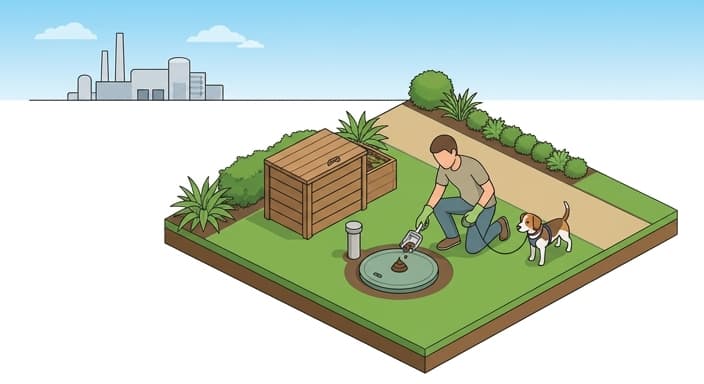
For those with the space, a dedicated pet waste composter is the "gold standard" for ecological stewardship. Unlike a standard kitchen compost bin, a pet waste composter (often called a "digester") is a deep, underground unit that utilizes aerobic microbes to break down waste into a nutrient-rich, pathogen-free material. This system keeps the waste out of the municipal stream entirely.
If you choose to implement a backyard digester, there are a few clinical precautions to keep in mind. First, never use this compost on edible gardens; it should be reserved exclusively for ornamental shrubs, trees, or non-edible landscaping. Second, ensure that your digester is properly insulated to maintain the internal temperature required for the beneficial bacteria to thrive and neutralize common parasites. By managing the waste on-site, you are not only reducing your carbon footprint but also actively participating in the nitrogen cycle in a way that is safe and controlled.
Navigating Municipal Options and Waste-to-Energy
For urban pet owners, building a backyard digester is often not feasible. In these instances, the responsibility shifts toward advocating for and utilizing municipal pet waste stations that prioritize composting over landfilling. Many forward-thinking cities are beginning to implement "dog waste collection programs" where waste is diverted to anaerobic digesters at municipal sewage treatment plants.
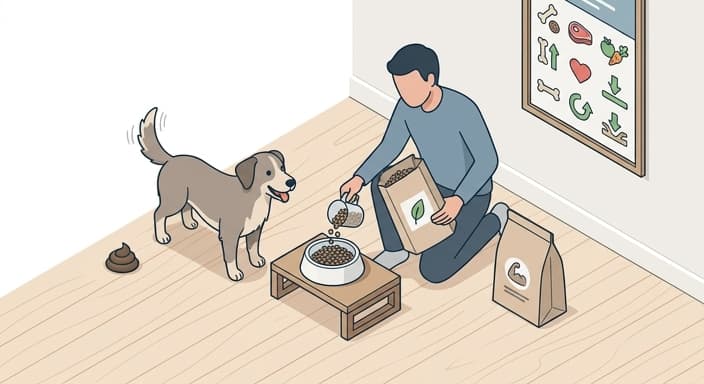
When these options are unavailable, the most eco-conscious choice is to utilize a flushable waste liner—if your local sewage system is equipped to handle it—or to focus on waste reduction through high-digestibility diets. It is a clinical fact that the volume of waste a pet produces is directly correlated to the quality of their nutrition. When a pet consumes a diet with high bioavailability—meaning more nutrients are absorbed by the body—the fecal volume decreases significantly. By feeding premium, highly digestible kibble or raw-balanced diets, you are effectively "pre-managing" the waste problem by reducing the output at the source.
The Intersection of Public Health and Pet Ownership
Ultimately, eco-friendly waste management is a matter of community health. As veterinarians, we emphasize the "One Health" concept, which recognizes that human, animal, and environmental health are inextricably linked. When we leave waste on the ground or dispose of it improperly, we are contributing to a cycle of environmental degradation that eventually impacts the health of our own families.
Rainwater runoff transports bacteria and parasites from neglected waste into storm drains, which often lead directly to our local rivers, lakes, and oceans. This can result in the closure of public beaches and the degradation of aquatic ecosystems. By taking the time to properly collect, bag, and dispose of your pet’s waste, you are acting as a guardian of the public water supply. It is a simple, daily ritual that, when practiced by a community, creates a profound positive impact on the local environment.
Cultivating a Sustainable Pet-Ownership Routine
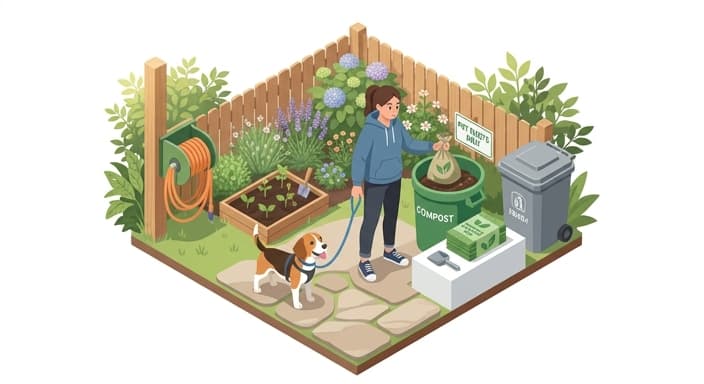
Adopting these eco-friendly habits does not require a total lifestyle overhaul; rather, it requires a shift in intentionality. Start by auditing your current waste disposal routine. Are you using single-use plastic bags? Are you leaving waste in the yard for weeks at a time? By replacing standard bags with certified home-compostable alternatives and committing to a daily collection schedule, you immediately reduce your environmental impact.
Furthermore, consider the long-term benefits of investing in a backyard digester or supporting local composting initiatives. Discuss these options with your veterinarian during your next check-up; we are always eager to support clients who are interested in reducing their environmental footprint. True pet stewardship is a holistic journey that acknowledges our responsibility to the animal, the community, and the planet. By choosing the path of sustainability, we ensure that our pets remain a joy to our lives and a benefit—rather than a burden—to the world they share with us.
In conclusion, managing pet waste effectively is one of the most impactful ways to align your lifestyle with your values as a responsible pet parent. By moving away from convenient but harmful plastic-dependent habits and embracing methods like localized composting, high-digestibility nutrition, and certified compostable liners, you contribute to a cleaner, safer environment for everyone. True wellness is not just about the individual health of our companion animals; it is about the health of the ecosystems we inhabit together. As we continue to advance our standards of care, let us prioritize these sustainable practices, ensuring that our legacy as pet owners is one of stewardship, respect, and long-term environmental vitality.
Common Questions
🤔
Frequently Asked Questions
Why is pet waste management considered a public health and environmental issue?▼
Pet waste carries enteric pathogens that can persist in the environment for months, posing infection risks to local wildlife, other pets, and people. The nitrogen and phosphorus it contains can harm vegetation and contribute to water pollution and algal blooms. In landfills, waste also generates methane, a potent greenhouse gas, especially when contained in plastic bags.
Are biodegradable or compostable bags always better for the environment?▼
Not necessarily. Many so-called biodegradable bags are oxo-biodegradable and break down into microplastics that persist in soil and water. True eco-friendliness requires bags certified as home compostable or properly handled through appropriate waste streams; disposal method matters as much as the bag itself.
What disposal strategies are recommended for eco-friendly pet waste management?▼
Use bags that align with certified disposal pathways and follow local guidelines for pet waste. Do not flush feces or toss it into normal trash if local systems do not handle it safely; consider municipal green-waste programs or waste-to-energy options where available. Backyard or community composting should only be used if the program explicitly accepts pet waste and maintains safe composting conditions to kill pathogens.
How can I evaluate products or programs to ensure they are truly eco-friendly?▼
Look for third-party certifications like home-compostable standards (for example, OK compost HOME) and verify that the product actually breaks down into CO2, water, and biomass under realistic conditions. Confirm that your disposal stream will safely process the waste (composting, energy recovery, or municipal programs) and avoid marketing jargon. Ask for documentation or case studies showing real-world performance and local applicability.