Blog5/9/2026
Calming Enrichment Games for Anxious Dogs: Gentle Solutions
6 mins Read
The Briefing
Quick takeaways for the curious
Calming enrichment can rewire an anxious dog's internal state from reactive to regulated, and in many cases reduces the need for medications when used as part of a structured plan.
Wellness for anxious dogs is about cognitive outlets that trigger the parasympathetic nervous system, not just physical exhaustion.
For anxious dogs, high speed or high repetition games can keep the nervous system in go mode; calming enrichment relies on slow, deliberate activities.
The sniff-lick-chew cycle engages foraging, scenting, and licking instincts to self-soothe, slow heart rate, and release endorphins and dopamine.
Olfactory enrichment, including sniffari, scent trails, and snuffle mats, is a powerful tool that tires the brain without adrenaline spikes and can build confidence.
There is a pervasive misconception among pet owners that a nervous dog is simply a personality trait or a permanent byproduct of a difficult past, often overlooking the biological reality that canine anxiety is frequently a state of physiological hyper-arousal that can be managed through structured, calming engagement. As a veterinarian consultant, I frequently treat dogs struggling with noise phobias, separation distress, or generalized anxiety, and I have found that the most effective tool in our arsenal is not always a prescription medication, but rather the intentional use of "calming enrichment" to rewire a dog’s internal state from reactive to regulated.
We are moving away from the outdated notion that a tired dog is always a happy dog—sometimes, an overtired dog is simply an anxious dog with less impulse control. True wellness for an anxious canine is not just about physical exhaustion; it is about providing cognitive outlets that trigger the parasympathetic nervous system, helping them shift from "fight or flight" into a state of "rest and digest."
The Neurobiology of Calm: Why Enrichment Matters for Anxiety
To understand why specific types of play are better than others for anxious dogs, we must look at the canine brain. When a dog is anxious, their amygdala—the brain's alarm system—is in overdrive, flooding their body with cortisol and adrenaline. Physical activities that involve high-speed chasing, jumping, or repetitive ball-throwing can sometimes exacerbate this state by keeping the heart rate elevated and the nervous system in a "go" mode.
Calming enrichment works differently. By engaging the dog’s natural foraging, scenting, and licking instincts, we utilize the "sniff-lick-chew" cycle. This sequence is biologically hardwired to be self-soothing. When a dog spends time sniffing or licking a surface, their heart rate naturally slows, and their body releases endorphins and dopamine—the "feel-good" chemicals that act as a natural, non-invasive stress buffer. By selecting games that prioritize slow, deliberate movement over high-intensity action, we help our dogs learn how to self-regulate, teaching them that they have the power to lower their own stress levels.
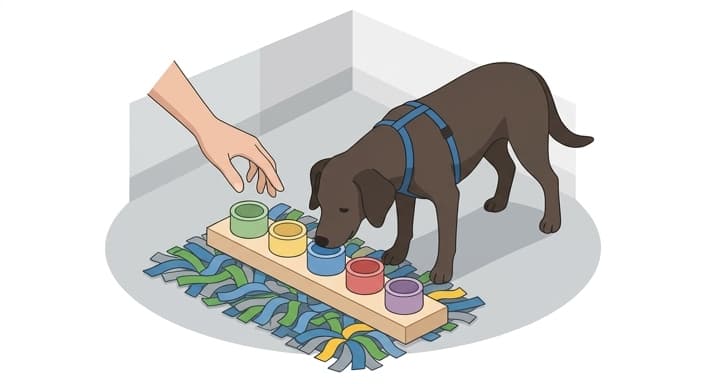
The Power of Olfactory Enrichment: The "Sniffari" Approach
The most underrated tool for an anxious dog is their own nose. A dog’s olfactory bulb is roughly 40 times larger than a human’s, and engaging this sense is the most effective way to tire out their brain without spiking their adrenaline. In my practice, I often recommend "Scent Games" as a primary intervention for dogs who struggle with environmental triggers.
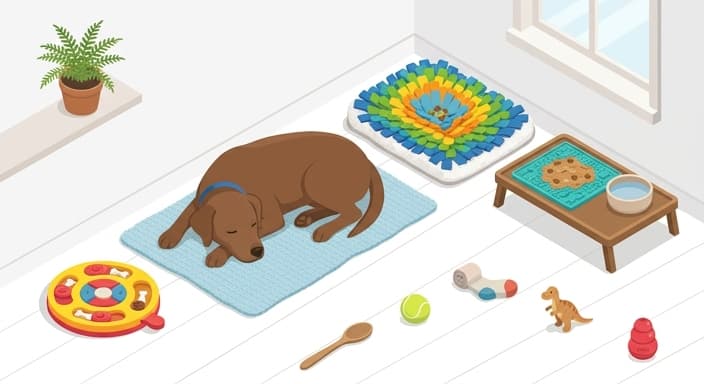
One of my favorite methods is the "Sniffari" or "Scent Trail." You can start this indoors by placing tiny, high-value treats in various corners of a room or hiding them under safe, non-toxic objects. Encourage your dog to find them using only their nose. Because sniffing requires deep, rhythmic breathing, it physically forces the body to relax. Another excellent option is the use of a snuffle mat—a fabric mat with deep folds where dry food or treats can be hidden. Allowing your dog to forage for their dinner provides a sense of "work" and accomplishment, which builds confidence in dogs who may otherwise feel helpless or overwhelmed by their environment.
Licking and Chewing: The Natural Sedatives
If you have ever watched a nursing puppy or a mother dog grooming her litter, you have witnessed nature’s most effective calming mechanism: repetitive licking. Licking is a rhythmic, repetitive motion that triggers the release of neurotransmitters that create a sense of deep, physiological calm.
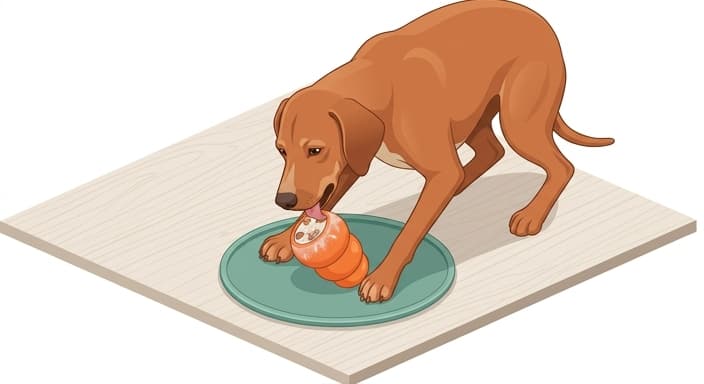
For anxious dogs, I often suggest "Lickimats" or frozen enrichment toys. By spreading wet food, plain yogurt, or unsweetened pumpkin onto a textured mat and freezing it, you turn a meal into a 20-minute meditative session. The goal here is to provide an activity that is low-energy but high-focus. Unlike a toy that requires the dog to chase or bark, a frozen enrichment toy requires the dog to focus on a single point, effectively blocking out the outside world. This is particularly helpful for dogs with separation anxiety; providing a "licking task" just before you leave the house can help them settle into a state of calm before the stress of your departure even begins.
Structuring "Quiet Time" Games for Success
Not all enrichment is created equal, and for the anxious dog, the structure of the game is just as important as the game itself. Anxious dogs often struggle with the "unknown" or the "unpredictable." By creating a routine around enrichment, you provide your dog with a sense of safety and predictability.
I recommend implementing "Quiet Time" as a scheduled part of your day. This might involve setting up a specific "calm zone"—a crate, a playpen, or a quiet corner with a comfortable bed—where the dog is only given these specific calming enrichment toys. Avoid turning these games into a high-energy training session. Instead, keep your own energy low, speak in a calm, soft tone, and allow the dog to engage with the task at their own pace. If your dog finishes the activity and immediately starts pacing or looking for more, don't rush to provide more stimulation; instead, encourage them to stay in their calm zone by offering a gentle massage or simply sitting quietly with them. The goal is to teach them that "doing nothing" is a rewarding experience.
When to Consult a Professional
While enrichment is a powerful tool for managing mild to moderate anxiety, it is important to recognize when a dog’s internal distress requires more than just lifestyle changes. If your dog is showing signs of severe anxiety—such as self-mutilation, destructive behavior that leads to injury, extreme panting, or total refusal to eat—it is vital to consult with a veterinarian or a certified veterinary behaviorist.
Enrichment should be the foundation of a holistic care plan, but it is not always a substitute for medical intervention or professional behavior modification. In many cases, we use enrichment to "lower the threshold" of the dog’s anxiety, making them more receptive to training or veterinary support. By focusing on these calming, sensory-based activities, you are not just keeping your dog occupied; you are actively contributing to their mental health, resilience, and long-term emotional stability.
By shifting our focus from simply burning off physical energy to nurturing the dog's mental state, we open the door to a more harmonious life. Whether it is a slow afternoon of sniffing out hidden treasures or the repetitive, soothing motion of licking a frozen treat, these small, intentional choices provide our dogs with the quiet, safe space they need to thrive. Remember, the most effective way to help an anxious dog is to give them the tools to soothe themselves, one sniff, one lick, and one quiet moment at a time.
Common Questions
🤔
Frequently Asked Questions
What is calming enrichment and why does it help anxious dogs?▼
Calming enrichment uses structured, low-stimulation activities that engage sniffing, licking, and chewing to activate the parasympathetic nervous system. This helps slow the heart rate and release calming neurochemicals, supporting a shift from fight or flight to rest and digest. When used consistently as part of a broader care plan, it can reduce reliance on medications for some dogs. Always coordinate with a veterinarian when anxiety is persistent.
Which activities are best for anxious dogs: sniffing or high-energy games?▼
High-energy games can keep arousal elevated, which is counterproductive for anxious dogs. Sniffing, scenting, and licking-based activities provide cognitive engagement at a slower pace and promote self-regulation. These calming activities help the dog feel capable and reduce environmental reactivity. They can be used as a first line of enrichment before considering other interventions.
How do I set up a sniffari or scent trail indoors?▼
Start by placing tiny, high-value treats in various corners or under safe objects while guiding your dog to sniff rather than chase. Encourage slow, deliberate exploration and reward successful scenting with a treat. A snuffle mat can extend the sniffing session and simulate foraging for dinner, which boosts confidence. Monitor your dog's stress and stop if they become overwhelmed.
What are safe starter tips for Lickimats and frozen enrichment?▼
Spread wet foods like plain yogurt or unsweetened pumpkin onto a textured Lickimat or similar frozen enrichment toy and let your dog lick and work for about 15-20 minutes. Freezing the treat adds a focused, meditative quality to the activity. Always supervise to prevent choking, choose pet-safe ingredients, and start with short sessions before gradually increasing duration.