Blog5/25/2026
Benefits of Fresh Cat Food Diets for Health and Vitality
6 mins Read
The Briefing
Quick takeaways for the curious
Fresh cat food diets align with feline physiology by delivering high-quality animal protein and natural moisture, supporting overall vitality and metabolism.
Relying on dry kibble undermines hydration and places unnecessary strain on the kidneys and urinary tract due to low moisture content.
Fresh diets reduce reliance on processing and starch binders, which can contribute to blood glucose fluctuations and weight gain in cats.
Owners often see faster improvements in coat condition and skin health, reflecting better nutrient status and systemic well-being.
Digestive efficiency improves on fresh diets, typically resulting in smaller, less odorous stools and fewer inflammatory or vomiting symptoms.
There is a pervasive misconception among many cat owners that the long-term health of their feline companions is adequately served by shelf-stable, highly processed dry kibble, often overlooking the biological reality that cats are obligate carnivores whose ancestral dietary needs are fundamentally at odds with high-heat, starch-heavy manufacturing processes. As a veterinarian consultant, I frequently see owners who treat chronic dehydration, recurring urinary crystals, and dull, brittle coats as inevitable signs of aging, failing to realize that these clinical manifestations are often the direct result of a "moisture-deprived" diet that fails to support a cat’s unique metabolic requirements.
We are moving away from the outdated notion that convenience for the owner should take precedence over the biological integrity of the cat’s diet, and toward a comprehensive understanding of "bio-available nutrition," where fresh, whole-food ingredients serve as the cornerstone of preventative medicine. True wellness for a cat is not just about keeping them fed; it is about recognizing that their feline physiology demands high-quality animal protein and natural moisture, and that transitioning to a fresh food diet is one of the most impactful ways to align our daily feeding practices with the evolutionary needs of the species.
The Kibble Fallacy: Why "Dry Food Convenience" is a Nutritional Compromise
The most dangerous myth in modern feline nutrition is that dry kibble provides a "complete and balanced" diet that is sufficient for a cat’s entire lifespan. In clinical practice, I often encounter cats suffering from sub-clinical chronic dehydration—a state where the cat simply never consumes enough water to compensate for the extreme dryness of their food. Because cats have a low thirst drive compared to dogs, they are biologically designed to derive the majority of their water intake directly from their prey. When we replace that moisture with an ultra-processed nugget containing 10% moisture or less, we place an unnecessary, chronic tax on their kidneys and urinary tract.
Furthermore, the manufacturing process known as extrusion—which is required to create crunchy kibble—necessitates the use of high-starch binders like peas, lentils, or corn. Cats lack the salivary amylase and the robust pancreatic enzymes required to effectively process these complex carbohydrates. Over time, these starches can spike blood glucose levels and contribute to the rising epidemic of feline obesity and Type 2 diabetes. When we pivot to fresh, minimally processed diets, we eliminate the need for these binding agents, allowing the cat to thrive on a diet that mimics what they were designed to consume in the wild.
The Biomarkers of Vitality: What Happens When You Switch to Fresh
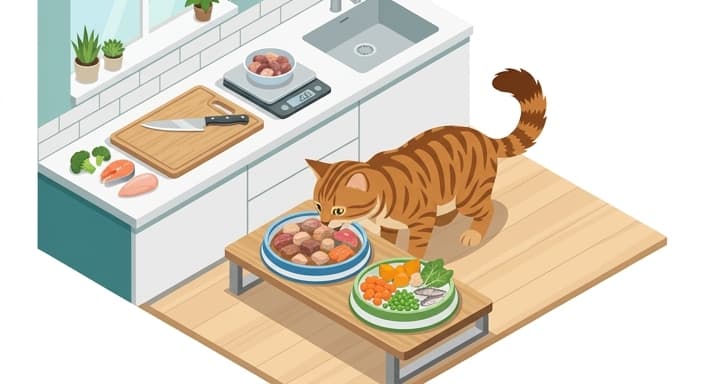
When my clients make the switch to a fresh food diet, the improvements are rarely subtle. Most owners report a "renaissance" in their cat within just a few weeks, often manifesting in ways they didn't realize were linked to diet. The first sign is almost always the skin and coat; the essential fatty acids and high-quality protein found in fresh, raw, or gently cooked meat provide the building blocks for a luxurious, soft, and shedding-resistant coat. This is not merely aesthetic—it is a reflection of improved systemic health, where the body no longer has to prioritize nutrient allocation because it finally has a surplus.
Beyond the coat, we see significant improvements in digestive efficiency. Fresh food is inherently more bio-available, meaning the cat’s digestive tract can absorb more nutrients with less effort. This typically leads to a dramatic reduction in stool volume and odor, as the body is actually utilizing the food rather than passing indigestible "fillers" through the system. For many cats, this also means the resolution of chronic, low-grade inflammatory issues like intermittent vomiting or lethargy that owners had previously dismissed as "just how my cat is."
Navigating the Transition: A Veterinarian’s Guide to Success
Transitioning a cat to a new diet is rarely as simple as swapping the bowl overnight. Cats are neophilic creatures that often imprint on the texture and smell of their food early in life. If your cat has been raised on kibble, they may not initially recognize fresh meat as food. This is a behavioral hurdle, not a rejection of the nutrition itself. To ensure a successful transition, I always recommend a slow, incremental approach that honors the cat’s sensory preferences.
Begin by mixing a very small amount of the fresh food into their existing kibble, gradually increasing the ratio over a period of 10 to 14 days. If your cat is particularly stubborn, try warming the fresh food slightly to release the natural aromas of the amino acids, which can trigger their predatory appetite. The goal is to avoid "dietary neophobia" by allowing their gut microbiome to adjust slowly while building their confidence in the new, superior food. Remember, patience is your best tool—never force a change, as feline stress can lead to appetite loss, which is dangerous for their liver health.
Precision Nutrition: Addressing Chronic Feline Conditions
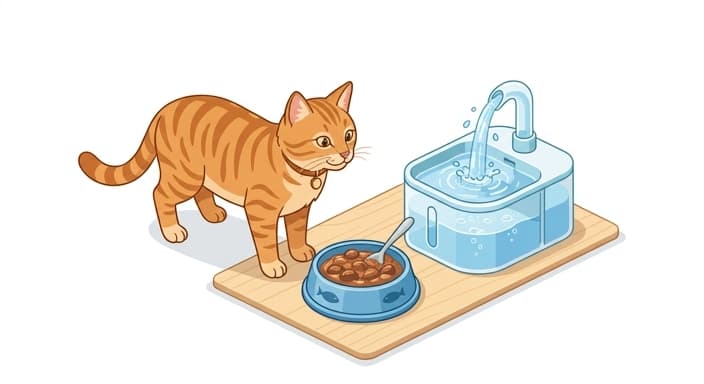
Beyond general vitality, fresh food acts as a therapeutic tool for many of the most common feline health challenges. For instance, cats prone to Feline Lower Urinary Tract Disease (FLUTD) often see the most dramatic turnarounds on fresh diets. By increasing the water content to 70-80%, we naturally dilute the urine, which prevents the concentration of minerals that lead to painful crystals and stones. This is vastly more effective than any "urinary care" kibble, which often relies on salt to induce thirst—a temporary and often stressful solution to a chronic issue.
We also see profound benefits for diabetic cats. By eliminating the starch-heavy binders found in dry food, we can often significantly lower the insulin requirements for patients with diabetes. Even for cats with sensitive stomachs or food-based allergies, fresh food provides the ultimate "elimination diet." By using a limited-ingredient, fresh diet, we can remove the additives, preservatives, and mystery "meat meals" that are often the hidden culprits behind chronic gastrointestinal inflammation. It is about simplifying the diet down to its biological essentials: high-quality protein, essential amino acids like taurine, and vital moisture.
The Future of Feline Care: Moving Toward Proactive Wellness
The shift toward fresh feeding is part of a larger, necessary evolution in how we view pet stewardship. For too long, we have treated our cats as small, furry humans who can thrive on processed convenience, forgetting that they are apex predators who have remained genetically remarkably similar to their wild ancestors. By choosing fresh food, we are not just providing a meal; we are providing a biological foundation that supports the immune system, the kidneys, the digestive tract, and the emotional well-being of our cats.
As you look toward the future of your pet’s health, consider the long-term return on investment that fresh nutrition provides. While the upfront cost may seem higher than a bag of shelf-stable food, the long-term savings in veterinary bills, medication, and the immeasurable value of watching your cat live a vibrant, energetic, and pain-free life are undeniable. Whether you choose a commercially prepared fresh food plan or work with a veterinary nutritionist to formulate a balanced home-cooked diet, the decision to prioritize fresh is one of the most compassionate and scientifically sound choices you can make for your feline companion.
Common Questions
🤔
Frequently Asked Questions
What are the top health benefits of switching to a fresh cat food diet?▼
Switching to a fresh cat food diet often yields noticeable improvements in coat quality, energy, and overall vitality within weeks. Fresh diets provide bio-available protein and natural moisture that support skin, coat, and immune function. They also tend to improve digestive efficiency, reducing stool volume and odor. For many cats, these benefits reflect better hydration, weight management, and fewer chronic inflammatory symptoms.
Why is dry kibble considered a nutritional compromise for cats?▼
Dry kibble is low in moisture, which can contribute to chronic dehydration and urinary issues in cats that have a naturally low thirst drive. The extrusion process uses high-starch binders that cats digest less efficiently, potentially leading to obesity and glucose spikes. Fresh diets bypass these processing steps and provide nutrients that are easier for cats to utilize. In short, kibble often falls short of matching a cat's evolutionary dietary needs.
How does a fresh food diet impact a cat's coat, digestion, and overall vitality?▼
A fresh diet tends to be more bioavailable, enabling better absorption of proteins and fats essential for a shiny coat and healthy skin. Many owners observe a softer, less brittle coat and reduced shedding due to high-quality ingredients. Digestive symptoms such as vomiting or chronic loose stools often improve as the gut processes meals more efficiently. Overall vitality also tends to rise as systemic health improves with better nutrient delivery.
What should owners know about transitioning to a fresh food diet for their cat?▼
Transitioning gradually over 1-2 weeks helps minimize digestive upset and allows the cat to adjust to new flavors and textures. Start by substituting small portions of fresh food for a portion of the current diet and increase over time while monitoring appetite, stool quality, and water intake. Ensure the diet is balanced for calories and essential nutrients; consider veterinary guidance to tailor portions. Always provide fresh water and monitor urinary health as the diet shifts.