Blog5/17/2026
Benefits of Automatic Pet Feeders for Healthy, Calm Pets
6 mins Read

The Briefing
Quick takeaways for the curious
Automatic feeders transform feeding from a sporadic routine into precision feeding stewardship that stabilizes nutrient delivery and supports metabolic health.
By partitioning daily calories into smaller, frequent meals, these devices help stabilize insulin responses and reduce weight fluctuations.
They mitigate behavioral stress by removing human cues from meal delivery, lowering anticipatory anxiety and guarding behaviors in multi-pet households.
Precision portions reduce risks associated with large meals, such as gastric issues in deep-chested dogs and cats, and may lower the incidence of bilious vomiting syndrome.
The shift toward automated feeding aligns feeding with a pet’s circadian rhythm, promoting consistent energy levels and long-term wellness.
There is a pervasive misconception among many pet owners that the act of feeding is merely a logistical chore of dumping kibble into a bowl, often overlooking the biological reality that the timing, frequency, and consistency of nutrient intake are fundamental regulators of a pet’s metabolic health and endocrine function. As a veterinarian consultant, I frequently see patients presenting with "dysregulated-feeding syndromes"—ranging from chronic vomiting caused by rapid ingestion to obesity-related metabolic disorders and behavioral anxiety stemming from unpredictable meal schedules—and I have found that the most significant advancement in companion animal nutrition is the shift toward "precision feeding stewardship," where the delivery of nourishment is filtered through a lens of physiological consistency rather than human convenience.
We are moving away from the outdated notion that a pet’s hunger is a simple binary state and toward a comprehensive understanding of the circadian rhythm’s role in digestion and weight management. True wellness for a dog or cat is not just about selecting high-quality, biologically appropriate ingredients; it is about recognizing that the way food is presented is a primary lever for long-term health and that the transition to automated, portion-controlled systems is the most effective way to eliminate the common, life-limiting consequences of erratic feeding habits.
The Physiology of Meal Frequency and Metabolic Stability
To understand why automatic pet feeders represent a clinical imperative, we must first recognize the physiological reality of the carnivore digestive tract. Unlike humans, who often graze throughout the day, the canine and feline gastrointestinal systems are designed for specific nutrient processing cycles. When a pet is fed once or twice a day with large, "gorge-style" meals, they are more susceptible to gastric dilatation-volvulus (GDV) in deep-chested breeds, as well as significant blood glucose fluctuations.
By utilizing an automatic feeder to partition a pet’s daily caloric allowance into smaller, frequent meals, we stabilize the insulin response and prevent the "starve-and-binge" cycle that often leads to obesity. From a veterinary standpoint, I see the benefits in my clinics daily: pets transitioned to automated systems show improved glycemic control, reduced incidences of bilious vomiting syndrome—often caused by an empty stomach—and a more regulated hunger hormone profile. It is the difference between a system that is constantly stressed by massive nutrient influxes and one that operates with steady, predictable efficiency.
Mitigating Behavioral Stress and Resource Guarding
Beyond the internal metabolic benefits, the automatic feeder serves as a vital tool in the behavioral management of the household. For many dogs and cats, the act of waiting for a human to provide food can trigger "anticipatory anxiety," where the pet remains in a state of high-alert, pacing or vocalizing as the clock approaches mealtime. This creates a dependency-based stress loop that can exacerbate separation anxiety or contribute to unwanted attention-seeking behaviors.
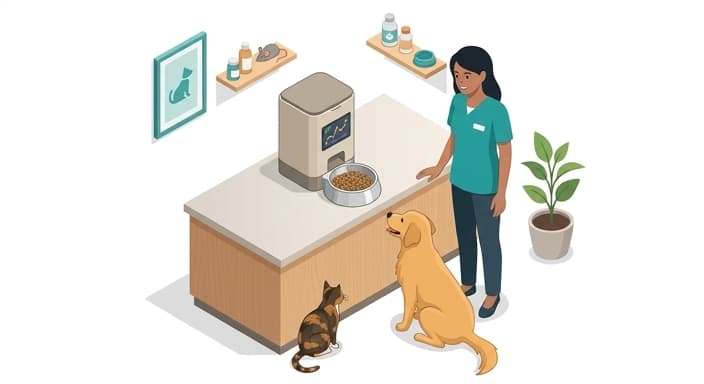
Furthermore, automatic feeders help neutralize the environmental triggers that lead to resource guarding. In multi-pet households, the competition for the "provider’s attention" during feeding time often creates friction between animals. By removing the human from the immediate equation of food delivery, the feeder shifts the pet’s focus from the owner as a gatekeeper to a more neutral, automated process. This shift is particularly beneficial for cats, who are solitary hunters by nature and often experience significant stress when forced to compete for resources in a shared feeding area. When the feeder becomes the source of sustenance, the owner is freed to engage with the pet through play, training, or affection, rather than being solely identified as the "food dispenser."
Precision Portions: Combatting the Obesity Epidemic
The most pervasive clinical challenge I face in modern veterinary medicine is pet obesity. It is estimated that over 50% of the domestic dog and cat population in the Western world is overweight or obese, which directly correlates to shortened life expectancy, joint degradation, and chronic inflammation. This epidemic is rarely the result of intentional overfeeding; rather, it is the result of the "eyeball error," where well-meaning owners underestimate the caloric density of a loose scoop of kibble.
Automatic feeders remove the margin of human error by delivering a calibrated, precise amount of food every single time. When we calculate a pet's Resting Energy Requirement (RER), we are aiming for a specific caloric intake that supports their ideal body condition score. An automatic feeder ensures that this math is applied with mathematical rigor, preventing the "just a little extra" scoop that occurs when a pet gives their owner a pleading look. By standardizing the intake, owners can observe weight trends with clarity; if a pet begins to gain weight despite strict portion control, we know immediately that we must investigate underlying hormonal issues, such as hypothyroidism or Cushing’s disease, rather than guessing if the pet has been "sneaking" extra snacks.
Selecting the Right Technology for Your Lifestyle
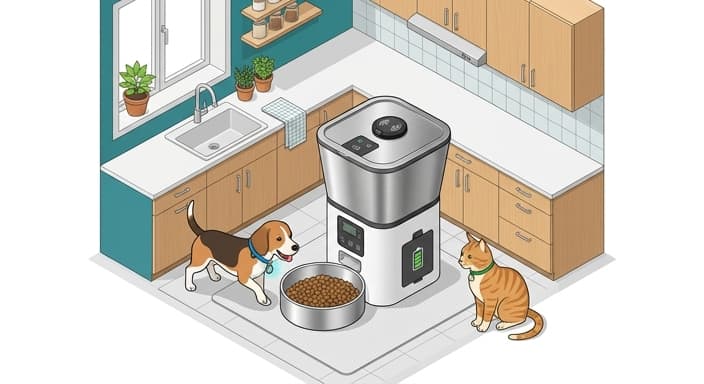
Not all automatic feeders are created equal, and the "best" device depends entirely on the specific needs of your companion. For dry kibble-fed pets, gravity-based feeders are often insufficient because they provide unlimited access, which defeats the purpose of portion control. Instead, I advise my clients to look for electronic, programmable dispensers that utilize internal augers or rotating chambers to dispense set amounts at specific times.
For multi-pet households, there are now advanced feeders that utilize RFID or microchip recognition. These systems are a game-changer for homes where one pet is on a prescription diet or where one animal is a "bully" who steals food from others. These feeders only open for the specific pet wearing the corresponding collar tag, ensuring that every individual receives only the nutrition their body requires. When selecting a unit, prioritize BPA-free materials, easy-to-clean stainless steel bowls, and reliable battery backups, as power outages should never result in a skipped meal for a pet on a strict, medically necessary schedule.
Creating a Sustainable Feeding Routine
While the technology is designed to make our lives easier, it is crucial that we do not use automatic feeders as an excuse for neglect. A machine can provide the calories, but it cannot provide the social interaction that is essential for a pet’s psychological health. I encourage my clients to view the automatic feeder as a foundation for consistency that allows for more quality time elsewhere. Instead of spending your energy measuring food and worrying about feeding times, use those moments to engage in interactive play, grooming, or training sessions.
Additionally, maintenance is a non-negotiable part of "feeder stewardship." Just like a regular bowl, the internal mechanisms and dispensing chutes of an automatic feeder can harbor bacteria, oils, and dust, which can cause skin irritations or GI upset. Establish a weekly cleaning routine—disassembling the removable parts, washing them with warm, soapy water, and drying them thoroughly before refilling. This simple habit ensures that the "proactive stewardship" we are aiming for remains hygienic and safe, providing your pet with the best possible start to every single day.
In conclusion, the transition to an automatic pet feeder is far more than a simple household upgrade; it is a commitment to the physiological and behavioral longevity of your pet. By removing the guesswork from nutrition, mitigating the anxiety associated with mealtime, and ensuring precise caloric intake, these devices allow us to fulfill our roles as responsible guardians with greater accuracy. As we move away from the traditional, manual feeding model, we embrace a future where our pets are healthier, more settled, and better supported by the systems we curate for them. Investing in a quality feeder is a small, manageable change that yields significant dividends in the form of a thriving, vibrant companion who is freed from the stressors of inconsistent feeding.
Common Questions
🤔
Frequently Asked Questions
What are the core health benefits of automatic pet feeders?▼
Automatic feeders help stabilize glycemic control by dividing daily calories into smaller, predictable portions, which reduces glucose fluctuations and supports insulin regulation. This consistency can lower the risk of obesity and the starve-binge cycles that contribute to metabolic disturbances. In clinical practice, owners report fewer episodes of bilious vomiting and improved appetite coordination when meals are time-stable. Overall, precision feeding supports a more durable metabolic health profile for dogs and cats.
How do automatic feeders influence pet behavior and household dynamics?▼
By removing the owner from the immediate meal delivery, automatic feeders reduce anticipatory anxiety and the stress associated with waiting for food. They also reduce resource guarding in multi-pet households by making feeding conditions more predictable and less competitive. This can free the owner to engage in training, play, and affection rather than policing mealtimes.
Are automatic feeders suitable for every pet and living situation?▼
Automatic feeders are generally suitable for dogs and cats, but owners should consider the pet's temperament, feeding schedule, and any medical needs. For aggressive eaters or pets with chewing hazards, choose sealed, tamper-resistant models with slow-feed options and secure bowls. For pets requiring medical diets or specific feeding times, ensure the device allows precise portion control and compatibility with prescribed schedules. Consult a veterinarian if you are unsure about how to integrate an automated system with your pet's treatment plan.
What should I look for when choosing an automatic feeder?▼
Look for portion control accuracy, programmable meal counts, and reliable power options such as battery backup. Consider ease of cleaning, pet-proof design to prevent theft or manipulation, and safety features to prevent overfeeding. Also check compatibility with your pet's diet, ability to handle multi-pet households, and the manufacturer's warranty.