Blog5/14/2026
Benefits of Automatic Litter Boxes for Cat Health Today
6 mins Read
The Briefing
Quick takeaways for the curious
Automated self cleaning litter boxes keep the litter box clean after every use, reducing the conflict between elimination and unsanitary surfaces and preventing litter box aversion.
The transition to automated boxes aligns with the feline instinct for cleanliness and helps prevent stress related urinary issues by maintaining a pristine removal surface.
Many automatic models include health monitoring sensors that track how often and how long a cat uses the box, enabling earlier detection of kidney disease, diabetes, or lower urinary tract disease.
Regular automated cleaning reduces the bacterial load and overall hygiene risks in the home, contributing to lower exposure to pathogens for humans.
The concept of sanitary stewardship emphasizes designing the home environment to meet a cat's need for cleanliness, making automated litter boxes part of preventive veterinary care.
There is a pervasive misconception among modern cat owners that the daily ritual of scooping a litter box is merely a mundane household chore, often overlooking the behavioral and clinical implications that a less-than-pristine environment has on a feline’s delicate psyche and urinary health. As a veterinarian consultant, I frequently see patients presenting with stress-induced cystitis, idiopathic bladder inflammation, and litter box aversion—conditions that are often directly exacerbated by the accumulation of waste or the inconsistency of manual maintenance—and I have found that the most significant advancement in feline hygiene is the intentional shift toward automated, self-cleaning technology.
We are moving away from the outdated notion that a cat will adapt to any sanitation standard we set, toward a comprehensive understanding of "sanitary stewardship," where the environment we curate for our cats reflects our responsibility toward their instinctual need for cleanliness. True wellness for a household cat is not just about providing food and water; it is about maintaining a high-frequency cleaning cycle that aligns with a cat’s natural aversion to waste, effectively reducing the bacterial load in the home and preventing the silent, chronic stress that leads to life-limiting behavioral issues.
The Behavioral Science of Feline Waste Management
To understand why the transition to an automatic litter box is a veterinary imperative, we must first recognize the feline’s inherent biological predisposition toward cleanliness. Cats are fastidious creatures by design; in the wild, they prioritize covering their waste to avoid detection by predators and to maintain a sanitary living space. When we use traditional, manual litter boxes, we are inevitably constrained by our own human schedules. If you are at work or away for an evening, that litter box becomes a reservoir of ammonia and waste that your cat must navigate.
When a box is not cleaned immediately, the cat experiences a conflict between their instinct to eliminate and their instinct to avoid unsanitary surfaces. This conflict is a primary driver of "inappropriate elimination," where a cat begins to seek out carpets, laundry piles, or furniture. By utilizing an automatic litter box, we remove the variable of human error. These devices detect when a cat has used the box and initiate a sifting cycle shortly thereafter, ensuring that every subsequent visit the cat makes is to a clean, fresh surface. This consistency is the single most effective way to prevent the development of litter box anxiety.
Clinical Benefits: Monitoring Health Through Waste
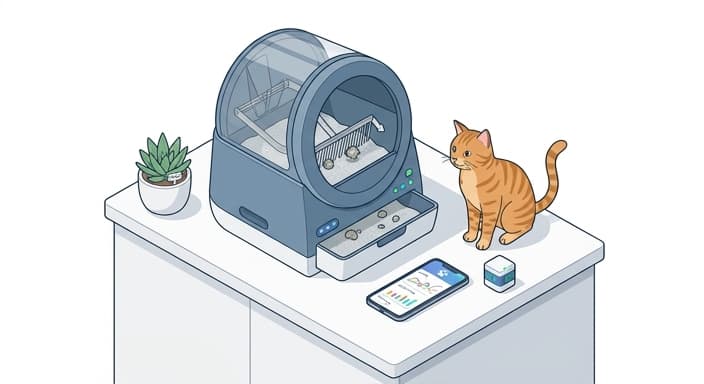
One of the most underappreciated advantages of the modern automatic litter box is the integration of health-monitoring sensors. In my clinical practice, I often tell clients that the litter box is the "window into the gut and bladder" of the cat. Many of the automatic models currently available track frequency, volume, and duration of use, sending this data directly to a smartphone app. For a species that is an expert at masking illness, this technology is a game-changer.
Early detection of medical issues—such as chronic kidney disease (CKD), diabetes, or lower urinary tract disease—often hinges on observing subtle changes in output. If your cat suddenly begins visiting the box more frequently or producing smaller, more frequent clumps, an automatic system will flag these patterns long before you might notice them with the naked eye. This allows for early veterinary intervention, which is often the difference between a simple dietary adjustment and a complex, expensive surgical procedure.
Reducing Zoonotic Risks and Home Hygiene
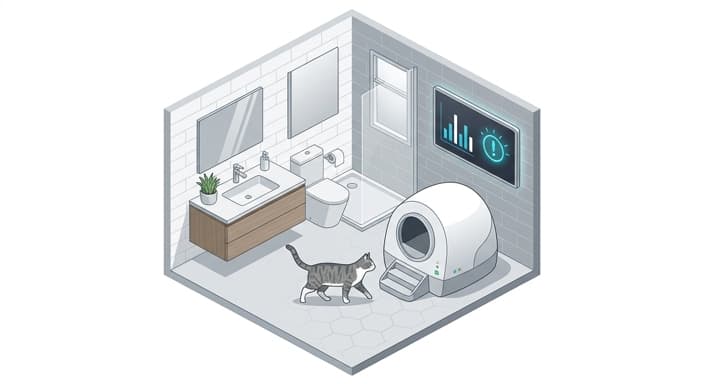
Beyond the immediate comfort of the cat, we must address the human-animal health intersection. Cat waste is a known vector for pathogens, most notably Toxoplasma gondii. While healthy adults may manage the risk of toxoplasmosis with standard hygiene, households with immunocompromised individuals, pregnant women, or small children face a higher risk profile when manual scooping creates airborne dust and particulate matter.
Automatic litter boxes operate on a closed-system basis. By sifting waste into a sealed compartment, these devices drastically minimize the dispersal of dust and bacteria into the air. Furthermore, the reduction in odor is not merely a cosmetic benefit; it is a sign that the ammonia levels in your home are being kept to a minimum. Ammonia is a respiratory irritant for both cats and humans, and by automating the removal process, you are effectively improving the indoor air quality of your entire living space.
Overcoming the "Fear Factor": Transitioning Your Cat
A common concern I hear from pet owners is the fear that their cat will be startled by the mechanical nature of an automatic box. While it is true that cats are sensitive to new stimuli, this transition is usually seamless if handled with patience and veterinary-backed strategies. The goal is to make the new device a "no-pressure" zone.
I recommend a dual-approach strategy: keep the old, manual box alongside the new automatic one for at least two weeks. Do not clean the old box as frequently during this period, but keep the new automatic box pristine. Most cats will naturally gravitate toward the cleaner surface. Once you see your cat using the automatic unit consistently, you can gradually phase out the manual box. Additionally, ensure the automatic box is placed in a quiet, low-traffic area where the cat feels secure. Avoid placing the unit in a closet or a tight corner where the cat may feel "trapped" during the cleaning cycle.
Strategic Considerations for Multi-Cat Households
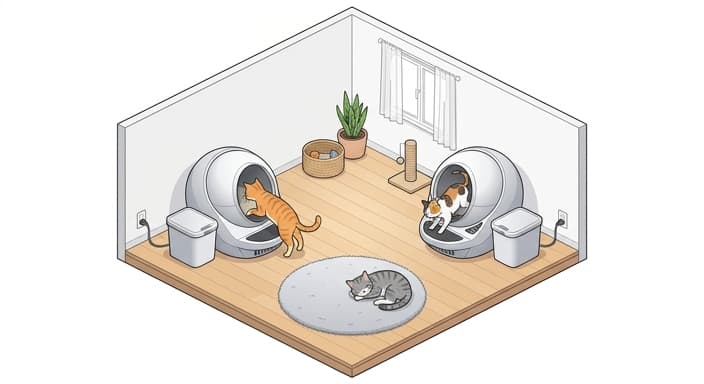
For those living with multiple cats, the benefits of automatic litter boxes are amplified. In a multi-cat home, the "litter box math" dictates that you should ideally have one box per cat plus one extra. However, space constraints often make this impossible. When three or four cats share a single manual box, the sanitation levels drop exponentially within hours of the last cleaning.
An automatic box acts as a "reset button" after each use, ensuring that the second or third cat in line is not greeted by the waste of the first. This significantly reduces territorial disputes and social friction between cats. In my practice, I have seen numerous cases of "inter-cat aggression" resolve simply by providing a cleaner, more efficient waste management system that eliminates the stress of competition for a clean spot.
Making the Investment in Longevity
When evaluating the cost of an automatic litter box, it is helpful to view it through the lens of preventative healthcare rather than just a luxury convenience. The initial financial outlay is balanced by the long-term savings on veterinary bills related to urinary blockages, behavioral consulting for elimination issues, and the degradation of household furniture caused by accidents.
Ultimately, the goal of any pet owner should be to align their care practices with the biological reality of their companion. By removing the friction of manual cleaning and providing a consistently sanitary environment, you are affirming your commitment to your cat’s physical and emotional health. An automatic litter box is not just a gadget; it is a tool for "sanitary stewardship" that honors your cat’s instincts and creates a more harmonious, healthy home environment for everyone involved.
Common Questions
🤔
Frequently Asked Questions
What are the core behavioral benefits of automatic litter boxes?▼
Automatic litter boxes ensure the box is cleaned soon after each use, removing the lag between elimination and a fresh surface. This aligns with a cat's natural need for cleanliness and reduces the chance of litter box aversion. By maintaining a consistently clean box, these devices can minimize stress and inappropriate elimination behaviors. They also lessen daily maintenance for owners while preserving cat welfare.
How do automatic litter boxes support health monitoring?▼
Many models log frequency, duration, and volume of waste and send data to a smartphone app. This creates a window into the cat's gut and bladder health and can reveal subtle changes before symptoms appear. Early signals can prompt veterinary evaluation for CKD, diabetes, or LUTD. A veterinary clinician can use this trend data alongside clinical signs to guide early intervention.
Do automatic litter boxes reduce zoonotic risk and house hygiene concerns?▼
By facilitating more frequent cleaning, these devices reduce ammonia buildup and waste exposure that can harbor pathogens. They help lower the overall bacterial load in the bathroom and living spaces. However, owners still need to practice proper hygiene such as handwashing and regular cleaning of the unit. When exposure to Toxoplasma gondii is a concern, minimizing contact with litter and using gloves further reduces risk.
What should I consider when selecting an automatic litter box?▼
Consider the size and number of cats in your home to ensure the unit accommodates your pets. Look for reliable sensors, easy maintenance, accessible waste receptacles, and acceptable noise levels. Factor in the upfront cost and ongoing replacement components, and choose a model with good customer support. Place the box in a quiet, accessible location and consult your veterinarian if your cat has specific medical conditions.