Blog5/18/2026
Benefits of At-Home Dental Care for Pets: Preventive Wellness
6 mins Read
The Briefing
Quick takeaways for the curious
Proactive at-home dental care is essential for preventing silent periodontal disease and systemic infection in pets, not a luxury or cosmetic measure.
Oral health influences heart, kidney, and liver function, making daily brushing and plaque disruption a core component of overall wellness and longevity.
Gold-standard home care is daily mechanical disruption via brushing; dental chews and water additives help but cannot replace brushing.
Desensitization and gradual habituation are crucial; start with pet-specific enzymatic toothpaste and brief sessions focused on outer surfaces to build tolerance.
In addition to brushing, consider how diet texture and mechanical stimulation support oral health, recognizing modern diets may lack natural chewing action.
There is a pervasive misconception among many pet owners that dental care is a luxury reserved for show animals or a reactive measure taken only when a pet stops eating, often overlooking the biological reality that the oral cavity is a high-traffic gateway for systemic pathogens. As a veterinarian consultant, I frequently see patients presenting with "silent-pathology syndromes"—where chronic, low-grade gingivitis has progressed to subgingival bone loss and systemic bacteremia—and I have found that the most significant advancement in companion animal health is the shift toward "proactive dental stewardship," where the home-care routine we curate is filtered through a lens of prevention rather than the trauma of late-stage extractions.
We are moving away from the outdated notion that "dog breath" or feline halitosis is a harmless quirk of aging, and toward a comprehensive understanding of the oral microbiome’s profound influence on cardiac, renal, and hepatic function. True wellness for a companion animal is not just about balanced nutrition or routine vaccination schedules; it is about recognizing that the gingival sulcus is a primary site for inflammatory cascades and that consistent, evidence-based at-home interventions are the only viable strategy to preserve a pet’s quality of life and longevity.
The Pathology of Periodontitis: More Than Just "Dog Breath"
To understand why dental hygiene is a clinical imperative, we must first recognize the physiological reality of periodontal disease. It begins when oral bacteria, saliva, and food particles form plaque—a sticky biofilm that adheres to the tooth surface. If not mechanically disrupted within 24 to 48 hours, this plaque mineralizes into calculus (tartar), which acts as a protective fortress for anaerobic bacteria.
Once calculus forms, it creates a physical irritation to the gums, leading to gingivitis. If left unaddressed, this inflammation deepens into periodontal pockets, allowing bacteria to migrate into the bloodstream. This is the "silent" danger. Unlike humans, who may complain of a toothache, our pets are masters of evolutionary masking; they will continue to eat even while suffering from severe oral pain. By the time a pet shows clinical signs like dropping food, pawing at the mouth, or excessive drooling, the damage to the periodontal ligament and alveolar bone is often irreversible. Proactive home care disrupts this biofilm before it can trigger the body’s inflammatory response, effectively shielding the heart and kidneys from the chronic stress of oral sepsis.
Establishing a Gold-Standard Home Routine
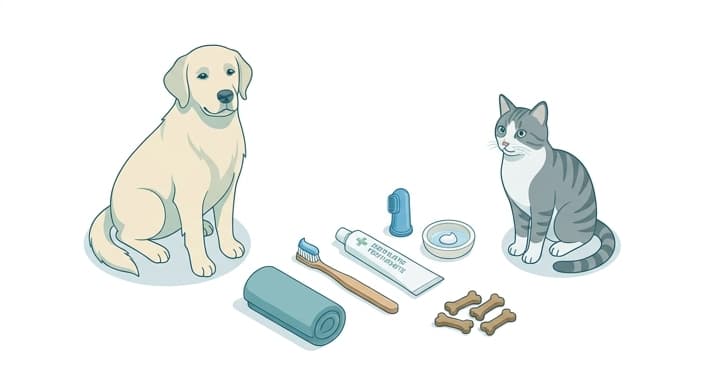
The cornerstone of effective at-home dental care is mechanical disruption. While dental chews and water additives have their place in a wellness strategy, they are insufficient as standalone solutions. The gold standard remains daily brushing, which mimics the professional scaling done under anesthesia. However, I understand that for many owners, the idea of brushing a cat’s or dog’s teeth feels like an exercise in futility.
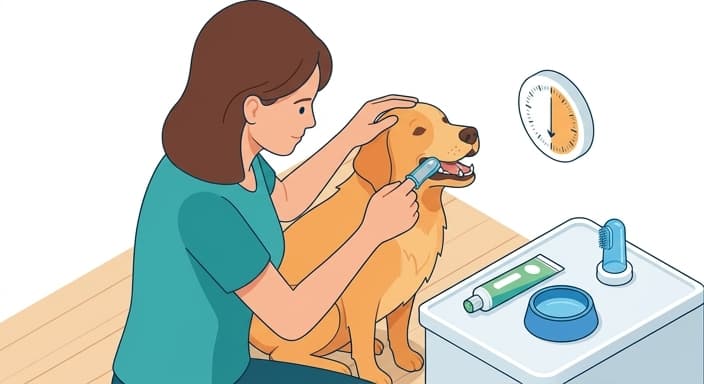
The secret to success lies in desensitization and gradual habituation. Begin by allowing your pet to taste a pet-specific enzymatic toothpaste—never use human toothpaste, as ingredients like xylitol are acutely toxic to dogs. Once they accept the flavor, introduce the brush or finger-stall for only a few seconds at a time, focusing primarily on the outer surfaces of the upper carnassial teeth, where tartar accumulation is most aggressive. Consistency is far more important than intensity; thirty seconds of relaxed brushing is infinitely more beneficial than a five-minute struggle that leaves both you and your pet stressed.
The Role of Nutrition and Mechanical Stimulation
Beyond manual brushing, the texture and composition of a pet’s diet play a critical role in oral health. Evolutionarily, our pets were designed to chew through tough fibers and cartilaginous tissues, which naturally abraded the teeth. Modern, highly processed kibble often lacks this mechanical scrubbing action, sometimes even contributing to a carbohydrate-rich environment that promotes bacterial overgrowth.
When selecting products, look for the Veterinary Oral Health Council (VOHC) seal of approval. This indicates that the product has undergone rigorous, independent clinical trials proving its efficacy in reducing plaque or tartar. Dental-specific diets, which utilize a larger, fibrous kibble structure that resists crumbling, are designed to envelop the tooth before the kibble breaks, providing a "brushing" effect during mastication. Furthermore, safe, supervised chewing on appropriate rubber toys or raw, non-splintering bones (if approved by your veterinarian) can stimulate salivary flow, which acts as a natural buffer against acidic oral environments.
Recognizing the Warning Signs of Oral Distress
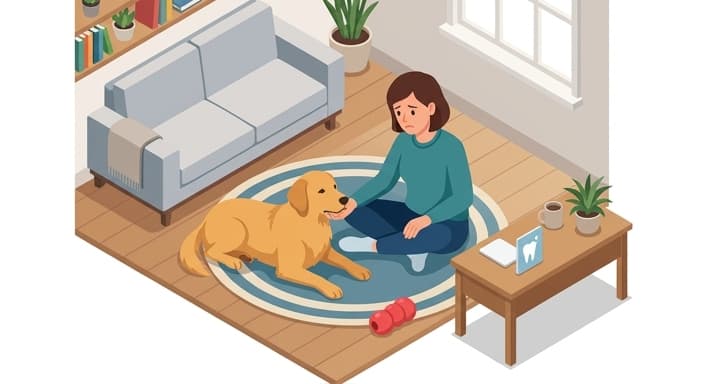
Even with the most dedicated home-care regimen, internal pathology can occasionally develop, necessitating a professional veterinary evaluation. Owners must become adept at performing "oral check-ins" at least once a week. This involves gently lifting the lips to inspect the gums and teeth under good lighting.
Look for signs such as bright red or bleeding gum lines, which indicate active inflammation. Observe for "sludge" or heavy yellow-brown calculus buildup, particularly on the molars. Be mindful of asymmetric facial swelling or a sudden preference for chewing on only one side of the mouth. Perhaps most importantly, pay attention to subtle behavioral shifts. A pet that suddenly becomes hesitant to play with fetch toys or stops grooming may be trying to communicate that their mouth is in pain. These observations are vital; they allow us to intervene early with professional dental cleanings (COHAT—Comprehensive Oral Health Assessment and Treatment) while the disease is still manageable and before it has impacted the patient's systemic health.
Bridging the Gap Between Home Care and Veterinary Dentistry
It is essential to clarify that home care is not a replacement for professional veterinary dentistry; rather, it is a complement that extends the interval between necessary professional cleanings. Even in the most well-cared-for pets, subgingival plaque—the bacteria hiding beneath the gum line—cannot be reached by a toothbrush or a chew toy.
Professional cleanings, which require general anesthesia, allow us to perform full-mouth dental radiographs. These images are the only way to visualize the health of the tooth roots and the underlying bone density. Often, a tooth may look perfectly white and healthy on the surface while suffering from a resorptive lesion or an abscessed root underneath. By maintaining a rigorous home-care routine, you are not avoiding the vet; you are ensuring that when your pet does visit, their oral health is in the best possible condition, reducing the duration of anesthesia and the likelihood of complex surgical extractions.
A Commitment to Longevity and Comfort
The transition to a proactive dental care mindset is one of the most impactful decisions you can make for your pet's long-term wellness. By viewing the mouth as an extension of the body’s overall vitality, we shift from being reactive to being protective. Each brushing session, each VOHC-approved treat, and every weekly observation is a brick in the foundation of a longer, more comfortable life for your companion.
Remember that you are not just cleaning teeth; you are actively preventing systemic inflammation and ensuring that your pet can continue to eat, play, and interact with the world without the burden of chronic pain. As we continue to learn more about the oral-systemic link, the importance of this daily ritual becomes even clearer. Start slow, stay consistent, and take pride in the fact that you are providing the highest standard of preventative care for your four-legged family member. Your pet may not be able to thank you in words, but their increased energy, appetite, and comfort will be the ultimate reward for your dedication.
Common Questions
🤔
Frequently Asked Questions
What makes at-home dental care important for a pet's overall health?▼
At-home dental care targets the plaque biofilm that can progress to calculus and periodontal disease. If untreated, bacteria can enter the bloodstream, contributing to chronic inflammation that affects the heart, kidneys, and liver. By disrupting biofilm daily, you reduce inflammation and preserve oral and systemic health, potentially extending a pet’s quality and length of life.
What does a gold-standard at-home dental routine look like?▼
The cornerstone is daily mechanical disruption of plaque through brushing. Use a pet-specific enzymatic toothpaste and a toothbrush or finger brush; avoid human toothpaste because it may contain xylitol which is toxic to dogs. Begin with short sessions to desensitize the pet, targeting primarily the outer surfaces of the upper carnassial teeth, and gradually extend duration as comfort increases.
Why can’t dental chews or water additives replace brushing?▼
Chews and water additives can support oral health but do not reliably disrupt plaque biofilm or prevent calculus formation. Brushing physically removes biofilm and prevents progression from gingivitis to periodontal pockets. A comprehensive plan should combine mechanical brushing with appropriate chews and additives as part of a broader preventive strategy.
How does diet influence a pet’s oral health?▼
Diet texture and composition affect natural tooth wear and the mechanical cleaning that occurs during chewing. Evolutionarily, pets benefited from tough fibers that helped abrade teeth, whereas modern diets may reduce this benefit. Pairing appropriate texture with brushing can enhance at-home dental care, supporting healthier gums and teeth.