Blog6/6/2026
Affordable Senior Pet Insurance Options You Can Trust
7 mins Read
The Briefing
Quick takeaways for the curious
Senior pet insurance is not off-limits; more providers now offer senior-specific or accident-only plans that acknowledge aging pets deserve protection.
The goal is to cover new late-life health crises rather than every pre-existing condition, and many plans have no upper-age enrollment limits.
To keep premiums affordable for seniors, shift toward higher deductibles so the policy acts as a catastrophe fund.
Prefer fixed-benefit or schedule-based reimbursement so you can budget predictably as veterinary costs rise.
Longevity planning means partnering with your veterinarian to tailor coverage to your pet’s aging needs, ensuring care over cost-cutting.
There is a pervasive misconception among many pet owners that pet insurance is a "young man’s game," a financial tool useful only for the rambunctious puppy or the curious kitten who might swallow a stray sock. As a veterinarian consultant, I frequently see owners of aging companions who assume that because their pet has reached their twilight years, the window for financial protection has closed—or, worse, that the premiums for senior pets are prohibitively expensive to the point of impossibility.
We are moving away from the outdated notion that senior pet care is a reactive, "pay-as-you-go" financial burden, and toward a comprehensive understanding of "longevity planning," where strategic insurance coverage serves as the primary barrier against the difficult decision to choose between a pet’s life and a family’s savings. True peace of mind for an owner of a senior pet is not just about having a safety net; it is about recognizing that their aging companion faces unique medical challenges—such as chronic endocrine diseases, progressive osteoarthritis, and systemic organ decline—and that selecting a tailored, affordable policy is the most compassionate way to ensure their golden years are defined by care rather than cost-cutting.
The Eligibility Fallacy: Why "Too Old to Insure" Is Often a Myth
The most dangerous myth in the senior pet world is the "age-cap barrier." Many owners believe that once a pet hits the seven-to-ten-year mark, insurance providers automatically close the door. While it is true that some providers have maximum age limits for new enrollments, the landscape of pet insurance has evolved significantly. Today, a growing number of providers cater specifically to the senior demographic, offering "accident-only" plans or senior-specific wellness packages that acknowledge the reality of the aging process.
When you are shopping for a policy for an older dog or cat, the goal is not to find a "comprehensive" plan that covers every pre-existing condition—which simply does not exist in the insurance world—but to find a policy that protects against the new health crises that often emerge in the later years. By focusing on plans that cover sudden illnesses or injuries, you are protecting your finances from the "catastrophic shock" of an emergency surgery or an unexpected diagnosis of a condition that was not previously present. The key is to look for providers that do not have upper-age limits, which are becoming increasingly common as the pet industry recognizes that senior pets deserve the same standard of care as their younger counterparts.
Navigating the Cost-Benefit Analysis of Deductibles and Reimbursements
To make insurance affordable for a senior pet, one must become a master of the "actuarial compromise." When insuring a younger pet, you might opt for a low deductible and a high reimbursement rate to catch every minor ailment. For a senior pet, the strategy must shift. I often advise my clients to look at higher deductibles—the amount you pay out-of-pocket before insurance kicks in—to significantly lower the monthly premium. This turns your pet insurance into a true "catastrophe policy," designed to handle the massive, unexpected bills that could otherwise derail your household budget.
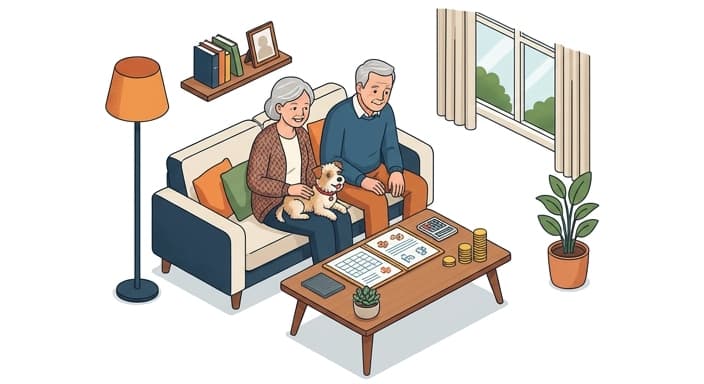
Furthermore, understanding the reimbursement model is essential. Look for policies that offer a "fixed benefit" or "schedule of benefits" rather than a percentage-based reimbursement. While percentage-based plans are common, they can become unpredictable as veterinary costs rise. A fixed-benefit plan provides a set amount for specific procedures or conditions, offering a level of predictability that allows you to budget for your senior pet's care with mathematical certainty. It is about shifting your mindset: you aren't insuring the routine vet visit or the monthly blood work; you are insuring against the fear of the unknown.
The "Pre-Existing" Reality: Working with Your Vet for Success
One of the most frequent frustrations I hear in the clinic involves the "pre-existing condition" exclusion. It is vital for owners to understand that no reputable insurer will cover a condition that was diagnosed or showed symptoms before the policy was active. However, this does not mean your senior pet is uninsurable. As a veterinarian, my role is to help you maintain impeccable medical records. Insurance companies rely on your pet’s medical history to determine what is "pre-existing" and what is "new."
If your pet has been seen for a specific issue—for example, a minor limp that was treated with rest and resolved—ensure that your veterinarian notes the resolution clearly in the chart. When you apply for insurance, providing a clean bill of health or a clear record of resolution for minor, past issues can sometimes prevent them from being categorized as chronic pre-existing conditions. Always be transparent during the application process; attempting to hide an underlying condition is the fastest way to get a claim denied later. By working in partnership with your veterinarian, you can present a clear picture of your pet’s health status, ensuring the insurance provider has the information they need to offer you a fair, accurate quote.
Prioritizing "Emergency-Only" Plans for Maximum Affordability
If a comprehensive, full-coverage plan is priced out of reach, do not discard the idea of insurance entirely. Instead, investigate "Accident-Only" plans. These policies are the most affordable tier of pet insurance and are specifically designed to cover injuries like fractures, lacerations, foreign body ingestion, or toxin exposure—all of which are common risks for senior pets who may be less stable on their feet or more prone to exploring the wrong things.
These plans often exclude chronic illnesses like diabetes or kidney disease, which are common in older pets, but they provide a critical safety net for the sudden, traumatic events that require urgent, expensive surgery. For many senior pet owners, the "Emergency-Only" plan is the difference between being able to afford a life-saving intervention and facing the heartbreak of an economic euthanasia. It provides the essential protection you need for the most expensive scenarios, keeping your monthly premiums low while ensuring that an unfortunate accident doesn't have to be the end of the road for your companion.
The Role of Wellness Riders and Preventive Care
While many standard insurance policies focus on the "what-ifs," some providers offer "wellness riders" or "preventive add-ons." As a veterinarian, I am often asked if these are worth the extra cost. For a senior pet, the answer is usually "yes," provided the plan covers the specific diagnostics that are standard for aging animals. We are talking about semi-annual senior blood panels, urinalysis, and blood pressure checks—the "big three" of geriatric wellness.
If you can find a policy that includes a wellness component that subsidizes these diagnostic costs, you are essentially pre-paying for your senior pet's preventative care in a way that is spread out over twelve months. This reduces the "sticker shock" of the bi-annual wellness visit, which, for a senior, often comes with a higher price tag due to the need for advanced screening. By bundling these costs into your insurance premium, you ensure that your pet receives the consistent, diagnostic-heavy care they need to catch age-related conditions in their early, manageable stages, rather than waiting until a crisis occurs.
Final Considerations for the Informed Owner
Choosing insurance for a senior pet requires a shift in perspective from "total coverage" to "strategic protection." It is about recognizing that your pet’s needs have evolved and that your financial strategy must evolve with them. Start by gathering your pet’s full medical history, identify the specific risks associated with their breed and age, and prioritize plans that offer the best coverage for catastrophic events.
Remember, the goal is not to eliminate all costs, but to eliminate the paralyzing fear of the unexpected. By choosing a plan that fits your budget—even if it is a high-deductible or accident-only policy—you are making a profound commitment to your pet’s comfort and your own peace of mind. Your senior pet has given you years of loyalty and love; securing their future with a thoughtful, affordable insurance plan is one of the most meaningful ways to honor that bond, ensuring that their final years are spent as they should be: in comfort, dignity, and care.
Common Questions
🤔
Frequently Asked Questions
Is my senior pet too old to get insured?▼
Many people assume senior pets are too old to insure, but enrollment options vary by provider. While some insurers impose upper-age limits, a growing number of companies specialize in seniors or offer accident-only and wellness-focused plans. These policies are designed to cover new health events that arise with aging rather than attempting to insure every pre-existing condition. The key is to shop for plans without strict age-based enrollment barriers.
What is the best way to balance deductibles and premiums for a senior pet?▼
For seniors, the most effective balance is to choose a higher deductible to lower the monthly premium, turning the policy into a catastrophe fund. This approach prioritizes protecting your budget against large, unexpected bills rather than paying for routine care. Also verify that the plan's reimbursement structure still pays meaningful amounts when a major claim occurs.
Should I choose fixed-benefit or percentage-based reimbursement?▼
Fixed-benefit plans provide a set dollar amount for specific procedures, which makes budgeting more predictable as costs rise. Percentage-based plans can become volatile when vet costs climb, potentially leaving you with larger out-of-pocket gaps. For a senior pet, a fixed schedule often offers the most reliable balance between protection and predictability.
How can I work with my veterinarian to ensure my policy fits my senior pet’s needs?▼
Start by discussing your pet’s typical aging health concerns and likely future needs with your veterinarian. Ask for a written summary of expected procedures, medications, and diagnostics so you can align those with plan benefits and exclusions. Keep your vet's records organized and share them with your insurer, updating as conditions evolve to maximize coverage and limit surprises.